Context
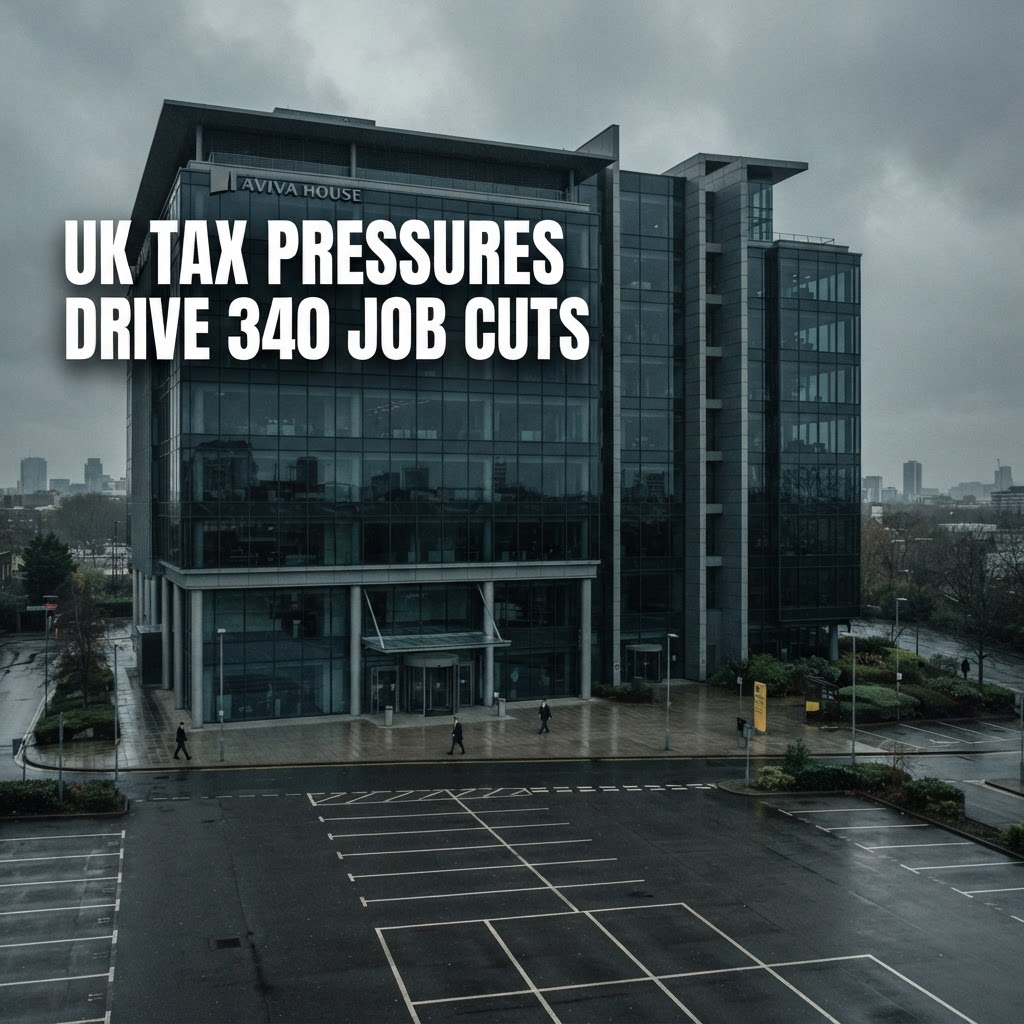
Bet365, one of the world's largest online gambling operators, has officially confirmed a substantial workforce reduction of 340 employees in response to escalating tax and regulatory pressures in the United Kingdom. The announcement comes as the UK gambling sector faces mounting fiscal challenges, with operators contending with increased licence fees, higher corporation taxation, and enhanced compliance costs.
The UK remains Bet365's most significant revenue market, making the operator particularly vulnerable to changes in the regulatory and tax environment. In recent years, the UK government and Gambling Commission have progressively tightened regulations and increased operator contributions through various levies and tax mechanisms, compressing margins for even the largest and most profitable gaming companies.
What This Means
The confirmation of 340 job cuts signals that even market leaders like Bet365 are reaching limits on operational efficiency and cannot simply absorb higher tax burdens through revenue growth or cost containment. The redundancies indicate that UK tax and regulatory pressures have reached a level where operators must make strategic reductions in headcount, likely affecting support functions, regional operations, and possibly customer-facing roles.
For the broader UK gambling sector, these cuts have concerning implications. If Bet365—arguably the most operationally efficient and financially robust operator in the market—must implement significant redundancies, smaller competitors may face existential challenges. The job cuts could accelerate consolidation in the UK market, with weaker operators potentially exiting or being acquired by stronger competitors.
The announcement also signals to UK regulators and policymakers that tax and regulatory pressures risk undermining the sustainability of the gambling sector. While regulatory tightening has genuine policy objectives around player protection and harm minimisation, excessive taxation may backfire by reducing legitimate operator capacity and employment while potentially driving gamblers toward unregulated alternatives.
For industry stakeholders considering iGaming B2B partnerships with UK-based operators, this development suggests careful due diligence on operator financial health and market positioning. Vendors and service providers may face pressure on contract negotiations as operators tighten spending across discretionary services and functions.
What to Watch
Monitor announcements from other major UK operators regarding staffing levels and cost-cutting measures. If similar redundancies are announced across the sector, it could indicate systemic sustainability challenges in the UK market.
Track regulatory and government responses to these job cuts. The Gambling Commission, UK government officials, and MPs may respond with statements about balancing taxation objectives with market health and employment concerns.
Also watch for Bet365's capital allocation and investment strategy post-redundancies. The company may redirect resources toward international expansion, technology upgrades, or other markets where regulatory burdens are less severe.
Finally, observe industry advocacy efforts from the Betting and Gaming Council and other operator groups, which may intensify calls for tax relief or regulatory reform based on employment impact data from major operators like Bet365.
Analysis based on: iGaming Business. Published 2026-09-10.
Source: iGaming Business
James Whitfield
Editor-in-Chief
Member of the iGaming Pulse editorial team. Covering industry news, analysis, and B2B developments across the global iGaming sector.