Context
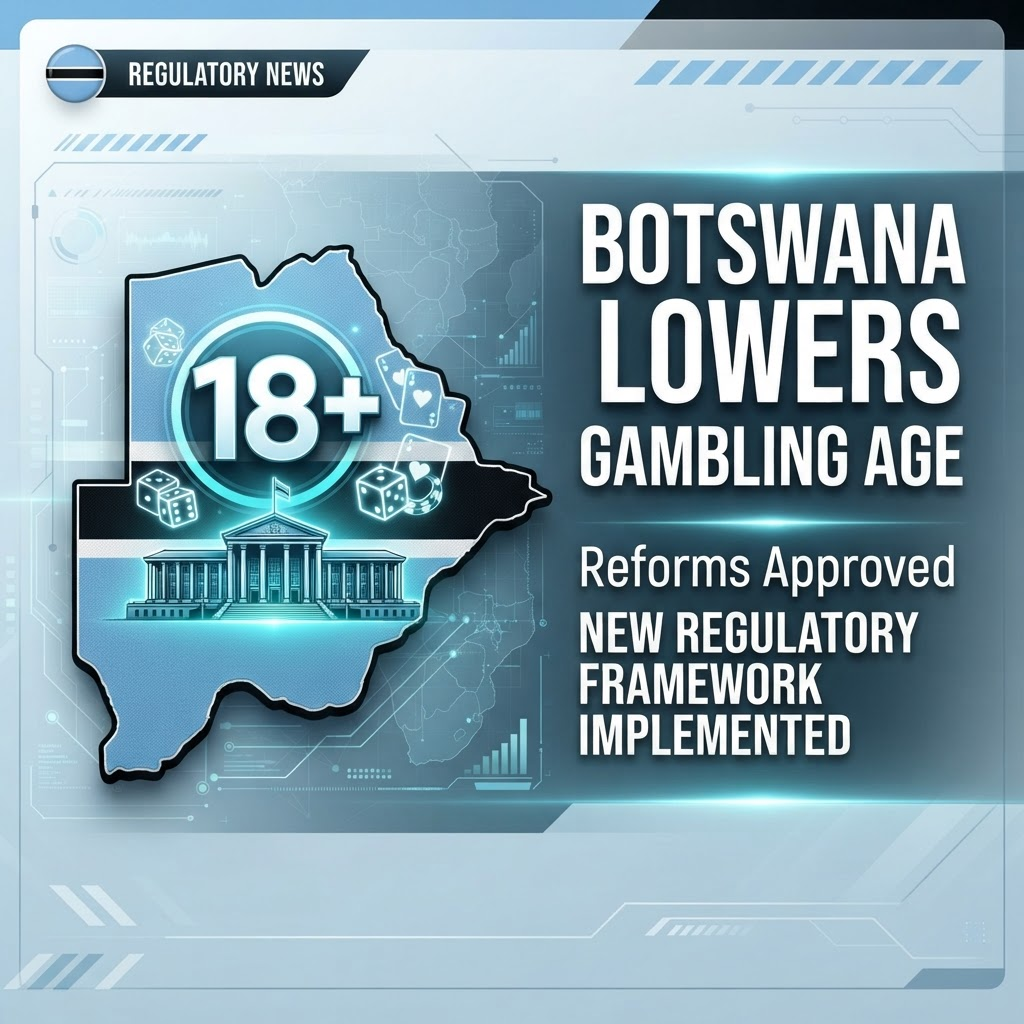
Botswana's parliament has formally passed comprehensive gambling legislation on September 3, 2026, modernizing the country's gaming regulatory framework while implementing a controversial reduction in the legal gambling age from 21 to 18 years old. The sweeping reforms represent the most significant overhaul of Botswana's gambling sector in decades, reflecting shifting global attitudes toward gaming legalization and age-based access.
The legislation emerged from years of consultation with stakeholders including gaming operators, civil society organizations, and public health advocates. Parliamentary debate centered on balancing market development objectives against responsible gaming and youth protection concerns.
What This Means
The age reduction immediately expands Botswana's addressable market by including the 18-20 demographic cohort, potentially increasing player acquisition opportunities for licensed operators. The move signals Botswana's commitment to formalizing and taxing gaming activity rather than tolerating illegal alternatives, a strategy consistent with broader Southern African regulatory trends.
However, the lowered age threshold introduces player protection challenges, particularly regarding: - Responsible gaming education for younger demographics - Affordability monitoring to prevent problem gambling in youth populations - Marketing compliance ensuring operators don't specifically target under-21 audiences - Parental notification and family protection mechanisms
The reforms also establish modernized licensing frameworks, consumer protection standards, and tax structures designed to create a competitive but regulated market environment. Operators seeking Botswana licenses will face specific compliance obligations around age verification, affordability monitoring, and responsible gaming measures.
For regional operators, the Botswana reforms represent a strategic entry point to Southern Africa. Success in Botswana may facilitate expansion into neighboring markets as regulators observe how the country's licensing framework operates.
What to Watch
Implementation timeline and licensing criteria remain critical unknowns. When will Botswana issue its first gambling licenses? What capital, operational, and compliance requirements will applicants face? Clarity on these operational details will determine market attractiveness to international operators.
Responsible gaming performance metrics will shape market perception and potential regulatory adjustments. If problem gambling rates surge among 18-20 year-olds, political pressure may emerge for age restriction reversals or enhanced player protections that could complicate operator economics.
Regional regulatory coordination represents another watch point. If Botswana's reforms prove successful, neighboring jurisdictions including Namibia, Zambia, and Zimbabwe may accelerate similar legislative initiatives, potentially creating a unified Southern African gaming market.
For B2B suppliers tracking this story, iGaming B2B outreach strategies that align with these regulatory shifts tend to outperform generic approaches.
Why It Matters
The age reduction expands Botswana's addressable market for iGaming operators while creating regulatory precedent across Southern Africa. However, the move raises responsible gaming concerns, particularly regarding underage gambling protections and social impact mitigation strategies in a developing market context.
Analysis based on: iGaming Business. Published 2026-09-04.
Source: iGaming Business

Alex Bilyi
Senior Editor
Member of the iGaming Pulse editorial team. Covering industry news, analysis, and B2B developments across the global iGaming sector.