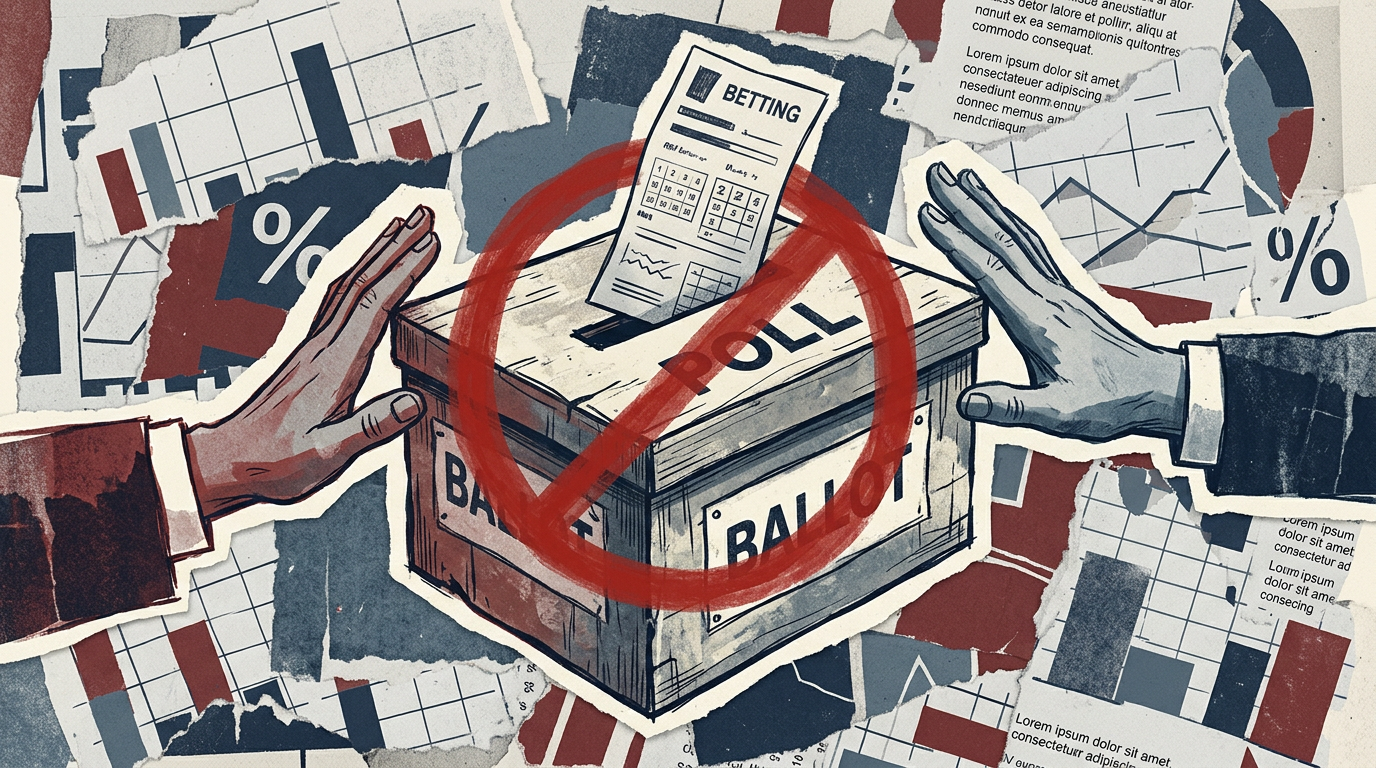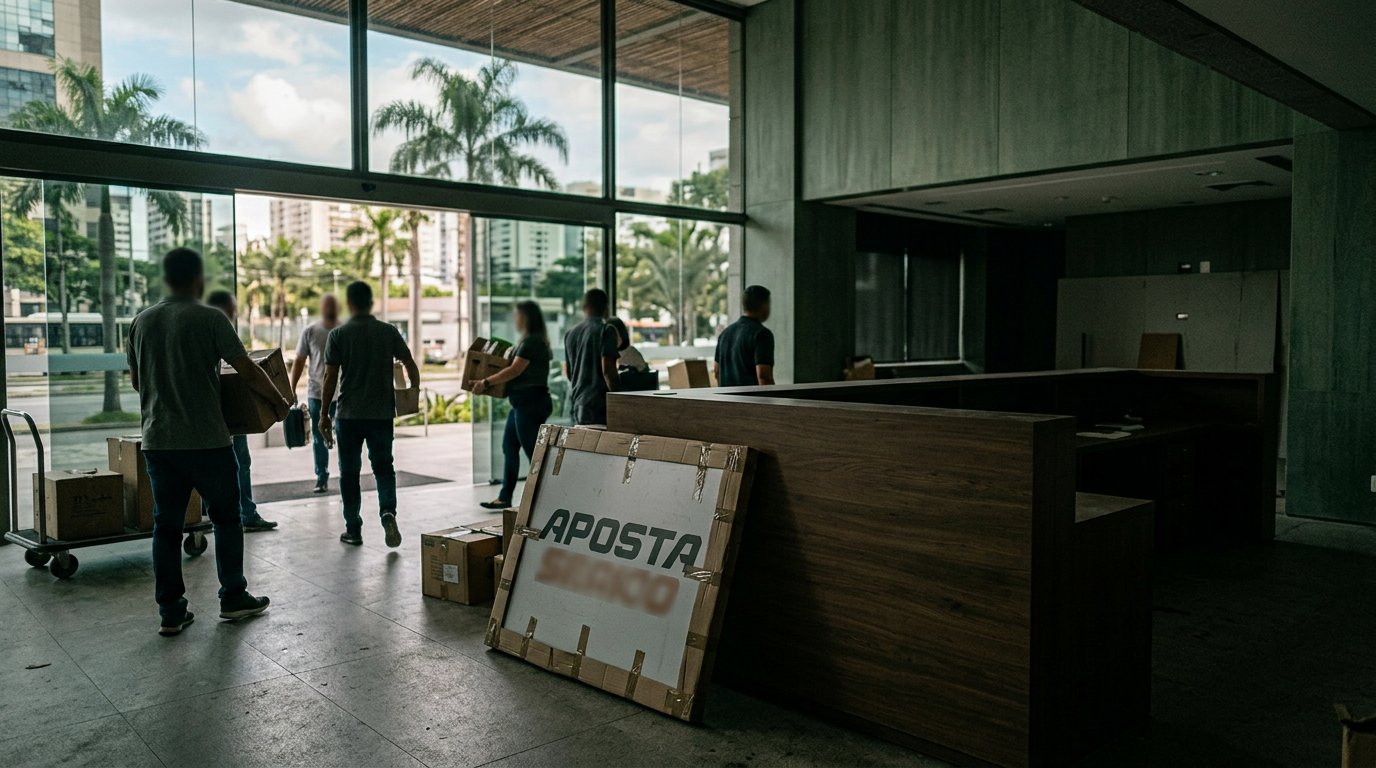
Brazil's provisional betting ban, imposed via presidential decree under President Luiz Inácio Lula da Silva, has resulted in the loss of more than 3,500 jobs as licensed sportsbook operators have suspended or wound down operations in the country. The employment toll underscores the material economic disruption caused by the policy and adds labour-market pressure to the ongoing debate over the ban's justification and duration.
Scale of the Crisis
The job losses span operational, customer service, marketing, compliance, and administrative roles across the licensed sportsbook sector. Major operators and smaller platforms alike have implemented workforce reductions, with some maintaining skeleton crews while others have exited Brazil entirely.
The 3,500+ figure represents direct employment. Indirect losses—among suppliers, payment processors, technology vendors, and affiliate networks—are likely larger but remain unquantified. The employment impact extends beyond São Paulo and Rio de Janeiro to tier-two cities where sportsbooks established regional hubs.
The Ban's Economic and Political Dimensions
Lula's provisional measure, announced in October 2024, cited concerns about unlicensed betting operations, money laundering, and consumer protection as justification. The policy was presented as a temporary measure pending comprehensive reform, yet no clear reopening timeline has been communicated, leaving operators and workers in indefinite limbo.
The provisional nature of the ban creates legal ambiguity. Operators have challenged the measure through Brazilian courts, arguing due process violations and lack of transition support. Some have maintained dormant licensing arrangements, suggesting contingency plans for rapid reopening. Others have reallocated resources to regional markets (Paraguay, Argentina, Colombia) to preserve operational capability and talent.
Political and Investor Pressure
The scale of job losses has amplified pressure on the Lula administration to clarify its stance. Labour unions representing betting industry workers have publicly opposed the ban, and opposition legislators have introduced bills seeking to resurrect the licensed market. Regional governors, particularly in states where sportsbooks were significant employers, have expressed concern about the economic impact.
International investors and operators—including major European and North American platforms—are monitoring Brazil closely. The country remains the largest and most populous market in Latin America, and a functioning regulated betting sector was valued at tens of millions of dollars annually. However, regulatory volatility on this scale has already deterred some investors from Latin American expansion, a cautionary signal for other governments considering similar disruptions.
Path Forward
No consensus has emerged on whether the ban will be lifted, reformed into a narrower prohibition on specific operators or products, or replaced by a new licensing framework. The Lula administration has been opaque about its timeline and criteria for reopening, creating maximum uncertainty for workers, operators, and affected supply chains.
Operators and workers have a material stake in clarity. If the ban becomes permanent, the 3,500 jobs represent permanent losses and capital write-offs for operators. If reopening occurs, the sector faces the challenge of rehiring, rehiring, and rebuilding trust with a consumer base that has been told the industry is unsafe. Either way, the human cost is already substantial.
Source: iGaming Business
Marcus De Luca
Regulation Correspondent
Member of the iGaming Pulse editorial team. Covering industry news, analysis, and B2B developments across the global iGaming sector.