Context
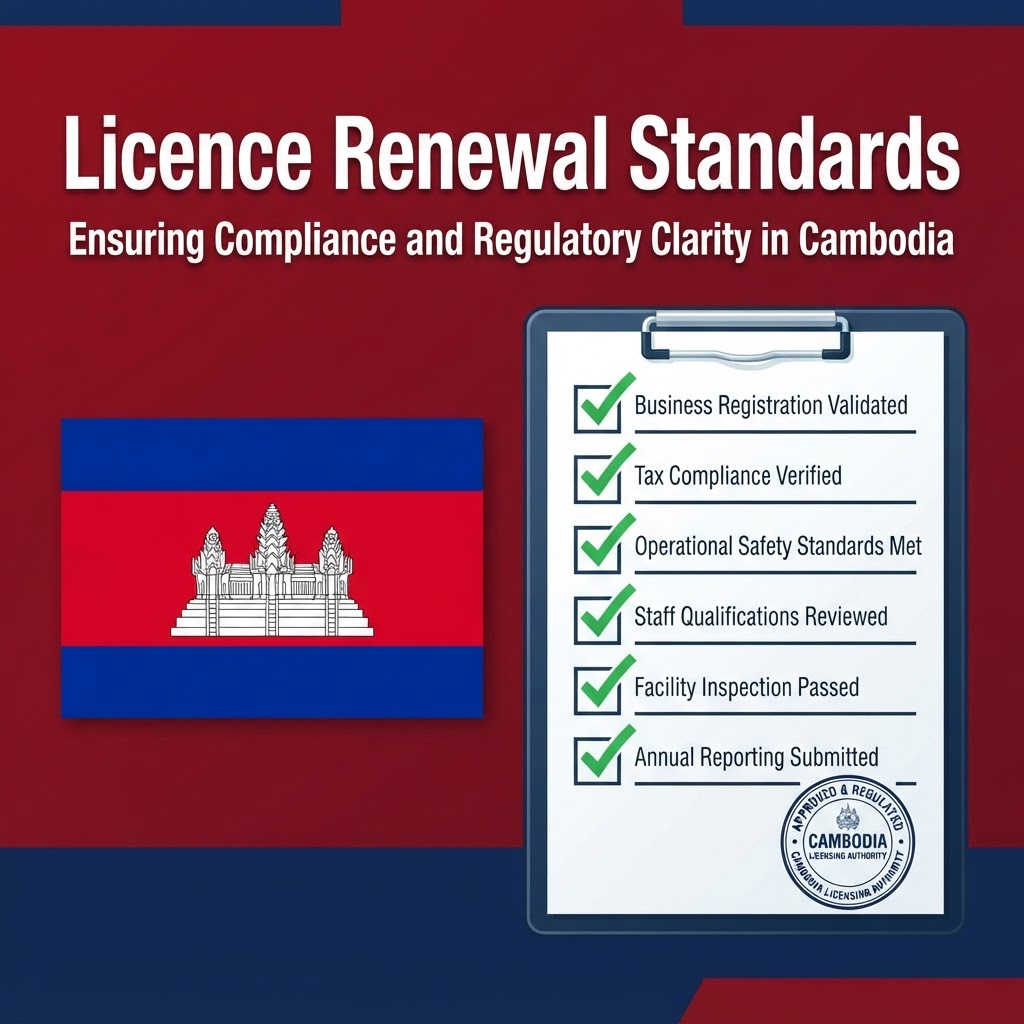
Cambodia's gaming regulator has moved to establish formal, documented standards for the renewal of casino operating licences, marking an evolution in the nation's regulatory approach. The action comes as the government intensifies its anti-scam crackdown, which has targeted illegal operations, money laundering networks, and fraudulent gaming platforms.
The formalisation of renewal standards addresses a long-standing pain point in Southeast Asian regulation: the lack of transparent, standardised criteria. Previously, renewal decisions operated on a less predictable basis, with operators often uncertain about specific compliance benchmarks or documentation requirements.
This shift reflects both domestic priorities—protecting Cambodian citizens and the national reputation—and international pressure from FATF (Financial Action Task Force) assessments and regional gaming bodies to demonstrate credible market oversight.
What This Means
The introduction of formalised renewal standards achieves several regulatory objectives simultaneously. First, it creates clarity for legitimate operators, reducing compliance uncertainty and enabling better strategic planning. Operators can now audit their own practices against published criteria rather than guessing at hidden requirements.
Second, it establishes higher barriers for questionable operators. Formalised standards make it harder for marginal players to exploit ambiguity or regulatory discretion. Bad actors cannot negotiate their way to renewal; they must meet objective benchmarks.
Third, it enhances Cambodia's reputation internationally. Transparent, published renewal standards signal to international investors and gaming suppliers that the nation operates a credible regulatory framework—not a pay-to-play system.
For operators currently licensed in Cambodia, the renewal process will become more structured but also more predictable. Those with solid compliance records and financial controls should find renewal processes smoother under formalised standards. However, operators with historical issues or grey-area compliance postures should expect heightened scrutiny.
Third-party service providers—auditors, compliance consultants, legal advisors—will find increased demand for expertise in navigating Cambodia's formalised framework.
What to Watch
Key indicators to monitor include:
Published Renewal Criteria: The extent to which the government publishes detailed renewal criteria publicly will determine genuine transparency. Vague standards dressed up as "formal" standards would signal limited reform.
First Wave of Renewals: The outcomes of the initial renewals under the new framework will reveal whether standards are applied consistently or if arbitrary discretion persists.
Rejection and Revocation Data: If the government begins revoking or denying renewals for specific operators, documentation of reasons will indicate whether enforcement is targeted and principled.
Regional Coordination: Cambodia may align its standards with Thailand, Vietnam, and Laos, potentially creating a Southeast Asian gaming governance baseline.
The formalisation of renewal standards represents regulatory maturation that benefits compliant operators and harms those dependent on informal relationships or lax oversight.
For B2B suppliers tracking this story, iGaming B2B outreach strategies that align with these regulatory shifts tend to outperform generic approaches.
Analysis based on: igamingbusiness.com. Published 2026-09-08.
Source: igamingbusiness.com
Marcus De Luca
Regulation Correspondent
Member of the iGaming Pulse editorial team. Covering industry news, analysis, and B2B developments across the global iGaming sector.