Context: Heritage Branding in Gaming Tourism
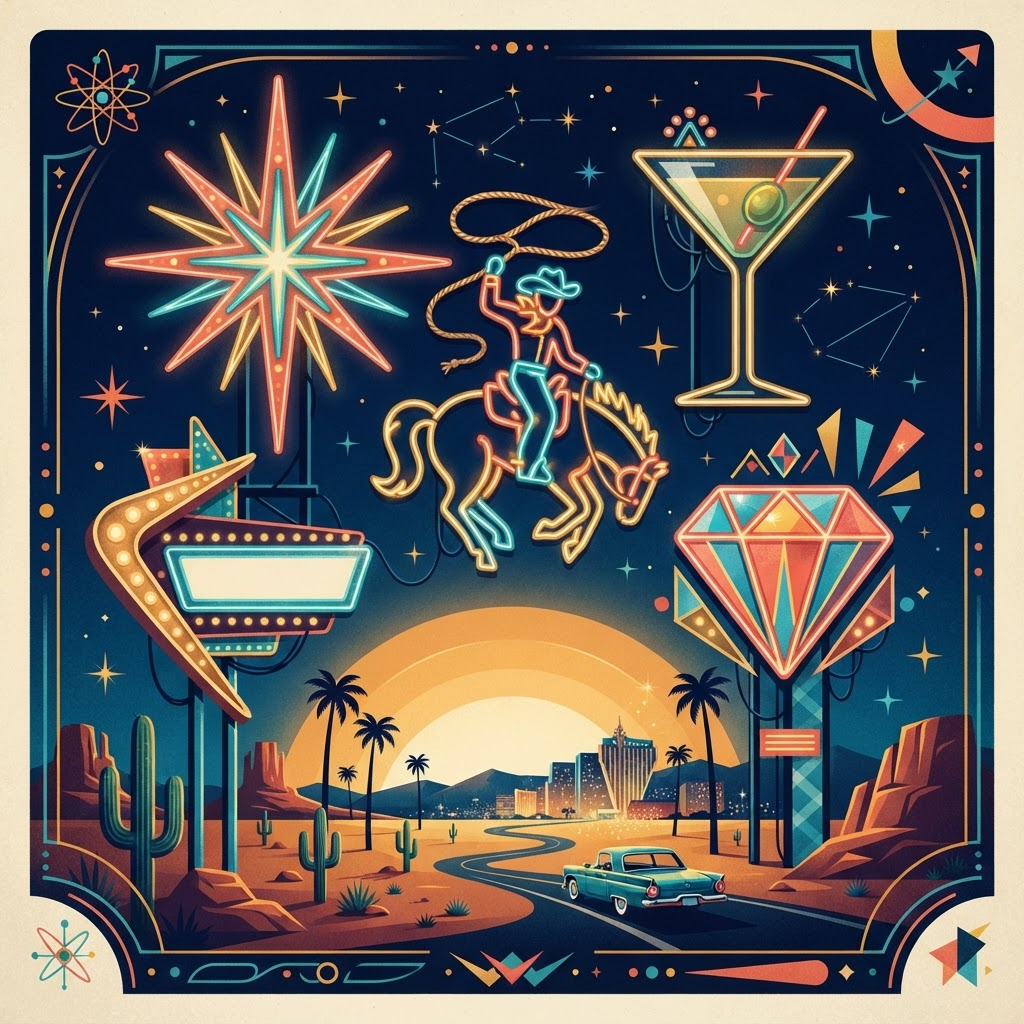
Las Vegas's global brand identity increasingly emphasizes history and authenticity alongside contemporary luxury and entertainment. Properties like the Flamingo, Caesars Palace, and now-demolished Stardust generated substantial visitor traffic based on heritage positioning—the promise of experiencing "authentic Vegas" with historical significance and nostalgic atmosphere.
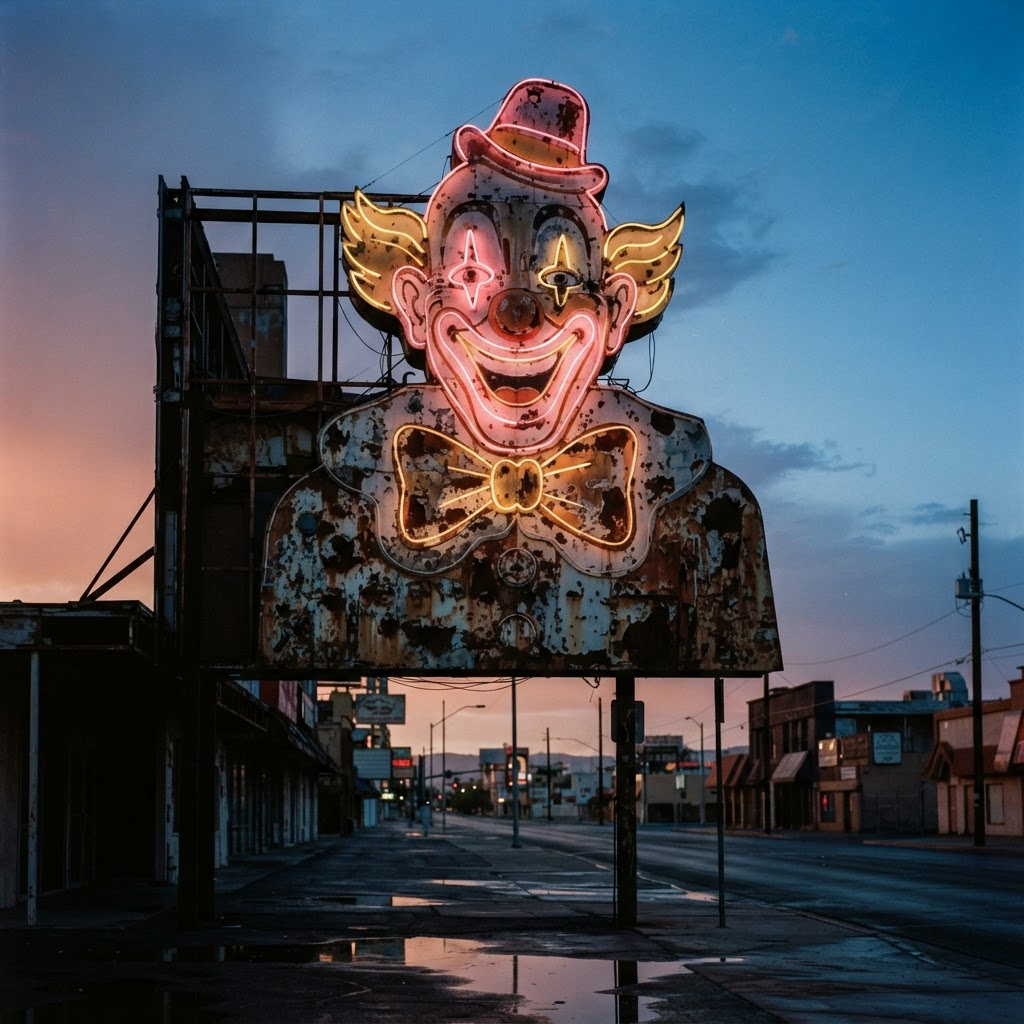
Circus Circus occupied a specific market segment: family-oriented, moderately priced, distinctive circus theming with genuine 1960s-70s aesthetics. Lucky the Clown, the original sign from 1976, represented authentic brand heritage—not a modern pastiche of vintage styling, but genuine mid-century casino branding.
This distinction matters to marketing strategy. Contemporary consumers increasingly value authenticity and origin story. Properties emphasizing genuine historical heritage often attract visitors willing to pay premium rates for authentic experiences. Theme parks, entertainment destinations, and hospitality brands capitalize on this authenticity premium.
What This Means: Heritage as Competitive Differentiation
The Circus Circus decision directly impacts brand positioning and visitor perception. Tourists selecting Las Vegas properties increasingly research on platforms offering property descriptions, reviews, and historical context. Properties positioned as authentic historic venues generate different visitor demographics than properties marketed as contemporary luxury.
Lucky the Clown's presence—even darkened—maintains brand integrity and historical authenticity. Visitors researching Circus Circus online encounter the sign's history and aesthetic distinctiveness. That heritage positioning influences booking decisions, particularly among nostalgia-oriented demographics and families seeking "retro Vegas" experiences.
If operators choose restoration, they reinforce heritage positioning and potentially command premium pricing based on authentic experiences. If they remove the sign, they sacrifice brand differentiation while gaining operational cost reductions. The decision carries direct implications for marketing strategy and visitor acquisition.
For B2B marketing service providers and destination management companies, this situation illustrates how property assets directly influence digital marketing effectiveness. Heritage content drives organic search visibility, social media engagement, and word-of-mouth recommendations. Properties maintaining distinctive heritage elements generate more engaging marketing narratives than generic corporate casino brands.
Companies focused on casino marketing and content strategy can leverage property heritage as core content foundation. The Circus Circus situation demonstrates how aging properties represent content assets—stories, historical photographs, nostalgic experiences—that drive visitor engagement far more effectively than generic promotional messaging.
What to Watch: Heritage Market Segmentation and Pricing Strategy
Expect Las Vegas operators to increasingly segment their marketing based on property heritage positioning. Some properties will explicitly market "authentic Vegas history," emphasizing original architectural elements and historical continuity. Others will embrace contemporary positioning, fully modernizing to attract younger demographics seeking cutting-edge amenities.
This segmentation creates distinct market opportunities for B2B marketing specialists serving each segment. Heritage-focused properties need content marketing emphasizing historical narrative, archival photography, and storytelling. Contemporary-focused properties need technology-forward messaging and influencer partnerships.
The Circus Circus decision will influence investor and operator perceptions about heritage ROI. If the property generates strong visitor numbers and premium positioning following heritage restoration, it validates heritage-based branding strategies. Conversely, if operators observe minimal brand impact from heritage investment, it may discourage future preservation efforts across the industry.
Monitor how Circus Circus adjusts marketing messaging based on the Lucky sign decision. Marketing communications will reveal operator strategy: emphasizing heritage preservation or highlighting modernization and cost efficiency. That messaging provides signal to competitors and B2B vendors about industry sentiment regarding heritage asset value.
Longer-term, expect Las Vegas city government and tourism authorities to weigh in on heritage preservation discussions. If civic leaders determine that historic signage and vintage property aesthetics drive substantial tourism revenue, they may create incentive programs (tax credits, expedited approvals) encouraging heritage preservation. Such policies would fundamentally shift operator economics around aging property decisions.
Analysis based on: casino.org. Published 2026-09-13.
Source: casino.org
Sofia Eriksson
Senior Reporter
Member of the iGaming Pulse editorial team. Covering industry news, analysis, and B2B developments across the global iGaming sector.