Context
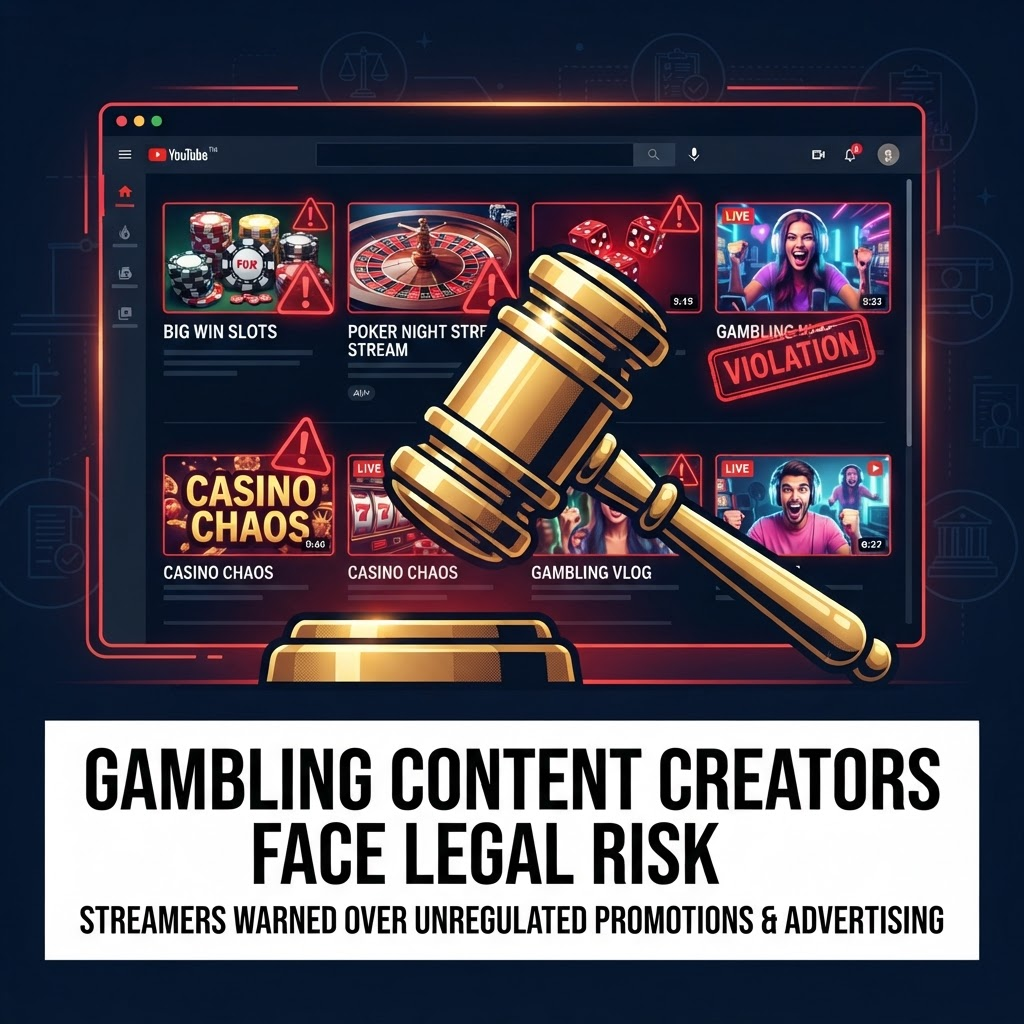
The August 30, 2026 escalation of the Vegas Matt versus Rob ODAAT dispute marks a significant moment for gambling content regulation and creator accountability. While the conflict appears to be primarily a personal legal dispute between two YouTube personalities with opposing viewpoints on gambling, it carries far broader implications for platform policies, regulatory oversight, and operator liability in the creator economy.
The fundamental tension: Vegas Matt operates in the gambling entertainment space—creating content around slot machines and casino gaming that generates substantial viewership and monetization. Rob ODAAT operates in the harm-reduction and gambling-addiction recovery space, explicitly countering gambling entertainment narratives with public health messaging.
The lawsuit threat represents the first major legal confrontation between these two ideological camps within the YouTube gambling ecosystem. Until now, the conflict has been primarily cultural and commercial; the threat of litigation signals that it is now becoming legal and regulatory.
What This Means
For regulators and policymakers, this dispute provides a catalyst for more aggressive gambling content oversight. Gambling commissions in the UK, various U.S. state regulators, and the FTC are already scrutinizing influencer gambling content; the Vegas Matt lawsuit will likely accelerate investigations into platform responsibility and creator liability standards.
For operators, the regulatory implications are profound. Sportsbooks and gaming companies that sponsor or partner with gambling content creators may find themselves indirectly liable for harmful content, harassment of advocates, or inadequate responsible gambling messaging. Operators should expect regulators to demand evidence of content vetting, compliance monitoring, and dispute resolution protocols.
For platforms like YouTube, Twitch, and TikTok, the dispute signals that gambling content moderation requires legal frameworks and clear liability standards. Platforms may face regulatory pressure to implement stricter policies on gambling content, more prominent harm-reduction messaging, age-gating, and sponsorship transparency.
For creators and influencers, the lawsuit demonstrates that operating in the gambling space now carries legal risk. Creators should expect increasing platform content guidelines, operator partnership restrictions, and potential liability exposure from advocacy groups or regulatory bodies.
The broader implication is that operator engagement with content creators must now account for regulatory risk and compliance liability. Operators cannot simply sponsor gambling content and assume legal safety; they must actively manage creator partnerships, content standards, and responsible gambling messaging.
What to Watch
First, monitor whether this legal dispute escalates into formal litigation and what the lawsuit alleges. The specific claims—defamation, harassment, tortious interference—will signal whether courts view gambling content creation as a protected commercial activity or subject to harm-reduction standards.
Second, watch for regulatory responses. The UK Gambling Commission, various U.S. state gaming commissions, and the FTC may use this case to justify stricter influencer gambling content rules, mandatory harm-reduction messaging, or operator sponsorship restrictions.
Third, observe platform policy changes. YouTube, Twitch, and other platforms may respond to regulatory pressure or internal concerns by implementing new gambling content policies—potentially restricting slot-machine streams, requiring responsible gambling disclaimers, or implementing age-gating.
Finally, track operator responses. Gaming companies may revise influencer partnership agreements to include explicit content compliance standards, indemnification clauses, or dispute resolution mechanisms to protect themselves from creator-generated legal liability.
Source: casino.org
Marcus De Luca
Regulation Correspondent
Member of the iGaming Pulse editorial team. Covering industry news, analysis, and B2B developments across the global iGaming sector.