Context
Prediction markets represent one of the most ambiguous categories in the global iGaming ecosystem. These platforms allow users to bet on the outcomes of real-world events—elections, sports outcomes, scientific discoveries—through "yes/no" contracts that function identically to betting on binary outcomes. Yet many platforms have successfully positioned themselves as financial derivatives exchanges rather than gambling operators, avoiding gaming licensing requirements and associated regulations.
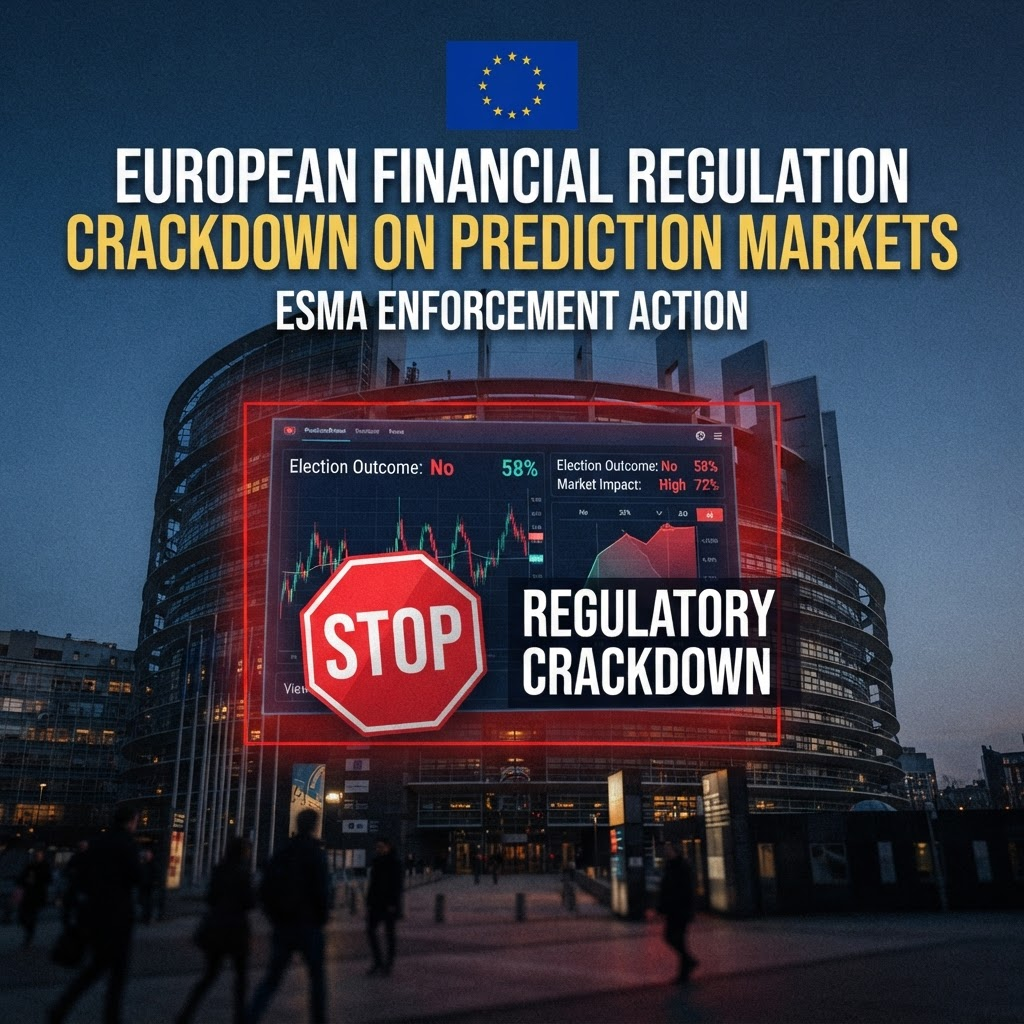
This regulatory free ride persisted because regulators struggled to categorise prediction markets and because platforms operated across multiple jurisdictions, exploiting gaps in enforcement. However, European regulators have now apparently reached consensus that this ambiguity is unacceptable.
What This Means
France's Blocking Order: France has issued a blocking order against prediction market platforms, effectively prohibiting them from accepting French customers. This represents a direct regulatory confrontation rather than a licensing framework.
ESMA's Pointed Reminder: The European Securities and Markets Authority (ESMA), the EU's financial regulator, issued guidance clarifying that prediction markets offering binary outcome contracts fall within gambling regulatory scope, not financial derivatives regulation. This is a significant statement from a financial regulator defending its turf against gambling-focused platforms.
Gibraltar's New Rulebook: Gibraltar—which has historically served as a permissive licensing jurisdiction for iGaming operators—introduced specific regulatory requirements for prediction market operators, effectively ending the low-regulation arbitrage play.
The coordinated timing and messaging from multiple authorities suggests either formal regulatory coordination or simultaneous independent conclusions driven by the same evidence. Either way, the effect is identical: prediction market operators face a dramatically altered European regulatory landscape.
Why It Matters
Prediction markets have operated in a regulatory grey zone, marketed as financial instruments while functioning as betting platforms. Europe's coordinated enforcement response signals the end of this free ride and creates significant uncertainty for platforms currently operating without gambling licences, while potentially validating the compliance investments of licensed operators.
Source: iGaming Business
Anton Voronov
B2B Analyst
Member of the iGaming Pulse editorial team. Covering industry news, analysis, and B2B developments across the global iGaming sector.