Illegal Gambling Market Reaches Record €91.6 Billion in Europe
The underground gambling industry across Europe has reached an alarming milestone, generating €91.6 billion in revenue during 2025, according to a comprehensive new report that has reignited calls for tougher enforcement measures against unlicensed operators.
The figures underscore the persistent challenge facing European regulators and licensed operators, who argue that illegal gambling platforms continue to proliferate despite ongoing efforts to curb their operations. The scale of the underground market—which operates outside regulatory frameworks and consumer protection safeguards—has prompted industry leaders to push for more aggressive intervention strategies, particularly targeting the financial infrastructure that sustains these illicit operations.
Payment Systems Under Scrutiny
The European Casino Association (ECA), which represents licensed gambling operators across the continent, has identified payment processing as a critical vulnerability in efforts to combat illegal gambling. In response to the latest figures, ECA Chairman Erwin Van Lambaart has issued a stark warning about the need to disrupt financial flows to unlicensed operators.
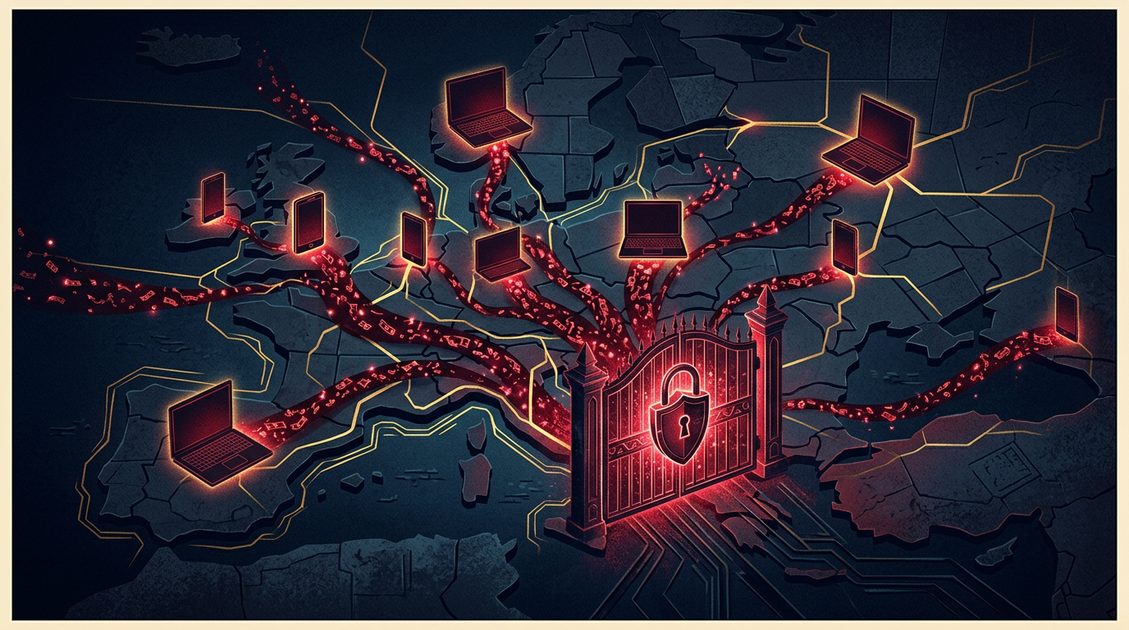
"Illegal gambling operators depend entirely on their ability to move money," Van Lambaart stated, emphasizing that targeting payment channels represents the most effective strategy for undermining the business models of rogue platforms. By restricting access to legitimate financial infrastructure, regulators could potentially force illegal operators offline and redirect consumer spending toward licensed, regulated alternatives.
The call for a payment-focused crackdown reflects growing recognition that traditional enforcement approaches—such as domain seizures and criminal prosecutions—have proven insufficient to stem the tide of illegal gambling. While such measures may disrupt individual operators temporarily, unlicensed platforms often resurface under different branding or jurisdictions, allowing the underground market to maintain its momentum.
Regulatory Gaps Enable Underground Growth
Europe's fragmented regulatory landscape has inadvertently created an environment where illegal gambling can flourish. With 27 EU member states plus additional European nations each maintaining distinct gambling frameworks, inconsistencies in enforcement and licensing requirements create pathways for unlicensed operators to exploit.
Some jurisdictions maintain strict licensing regimes with comprehensive player protections, while others have more permissive frameworks or enforcement gaps. This regulatory patchwork allows illegal operators to target consumers in heavily regulated markets while maintaining servers and payment processing in jurisdictions with weaker oversight.
The €91.6 billion figure represents not only lost tax revenue for European governments but also highlights the scale of consumer exposure to unregulated platforms. Players using illegal gambling services typically lack access to crucial protections including responsible gambling tools, deposit limits, self-exclusion mechanisms, and dispute resolution processes available through licensed operators.
Consumer Protection Concerns Mount
Beyond the financial implications, the thriving illegal gambling market exposes millions of European consumers to significant risks. Unlicensed platforms operate without regulatory oversight, meaning there are no mandatory standards for fair game outcomes, secure data handling, or timely payouts.
Consumers who experience disputes with illegal operators have no recourse to gambling regulators or independent arbitration services. This absence of accountability has led to documented cases of players losing funds without compensation when platforms unexpectedly cease operations or refuse legitimate withdrawal requests.
The situation becomes particularly acute for vulnerable populations, including problem gamblers and younger players. Licensed operators must implement mandatory responsible gambling features and age verification protocols. Illegal platforms, by contrast, operate without such safeguards, potentially facilitating gambling addiction and underage participation.
International Cooperation Remains Limited
Despite the magnitude of the illegal gambling problem, international cooperation among European nations remains fragmented. While the European Commission and various member states have launched initiatives to improve coordination, enforcement actions often lack the cross-border coordination necessary to effectively target unlicensed operators that deliberately distribute their operations across multiple jurisdictions.
The ECA's emphasis on payment system intervention reflects recognition that financial regulation may offer more leverage than traditional enforcement approaches. Many major banks and payment processors already maintain policies prohibiting transactions with known unlicensed gambling operators. However, inconsistent implementation and the emergence of alternative payment methods—including cryptocurrency and unregulated fintech platforms—have created loopholes that illegal operators continue to exploit.
Industry Calls for Coordinated Action
Licensed operators and their representative organizations are intensifying pressure on European regulators and financial authorities to implement coordinated strategies targeting payment flows. The ECA's latest statement represents part of a broader industry push to position payment system restrictions as the linchpin of effective illegal gambling enforcement.
Proponents of this approach argue that by requiring payment processors, banks, and financial institutions to implement stricter verification procedures and transaction monitoring for gambling-related activities, regulators can create meaningful friction for illegal operators without requiring them to pursue individual enforcement actions across dozens of jurisdictions.
Such measures would likely require coordination at the European Union level, potentially through updates to anti-money laundering directives or new gambling-specific financial regulations. However, any such initiatives would need to carefully balance enforcement objectives against legitimate banking and payment processing activities in regulated gambling markets.
Looking Forward
The €91.6 billion illegal gambling revenue figure for 2025 suggests that existing regulatory and enforcement strategies have been insufficient to protect European consumers or preserve market share for licensed operators. As the underground market continues to generate substantial revenue, pressure will likely intensify on European policymakers to implement more aggressive interventions.
Whether coordinated payment system restrictions can meaningfully reduce illegal gambling activity remains uncertain. However, with traditional enforcement approaches yielding limited results, targeting the financial infrastructure that sustains unlicensed operators represents the most promising avenue for future regulatory action across Europe.
Source: iGamingBusiness
Marcus De Luca
Regulation Correspondent
Member of the iGaming Pulse editorial team. Covering industry news, analysis, and B2B developments across the global iGaming sector.