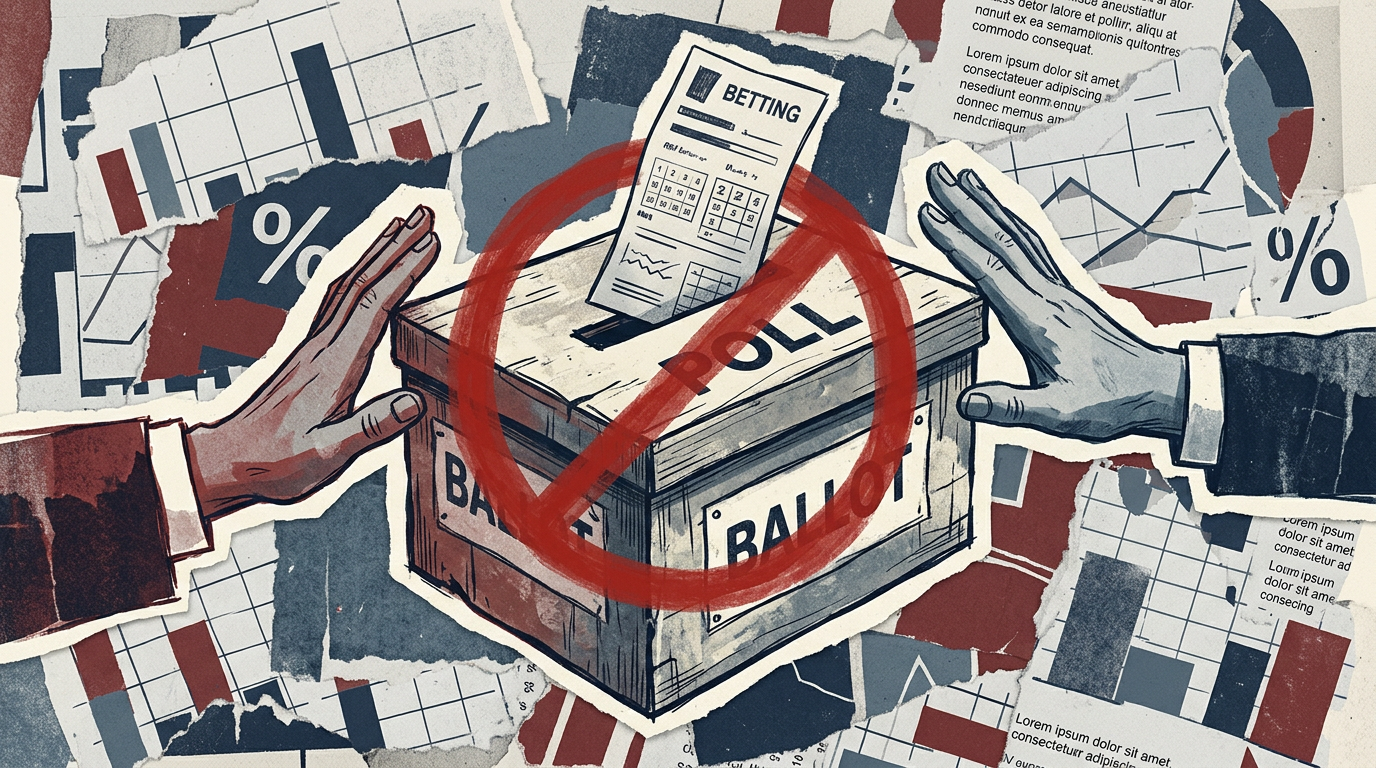
Kalshi, the prediction market platform seeking to expand into sports and event-based wagering, is actively courting tribal gaming operators as strategic partners—a move that could reshape how prediction markets gain mainstream acceptance and regulatory approval in the United States.
In an exclusive interview with Gambling Insider, Kalshi executives argued that prediction markets and tribal gaming can operate profitably side-by-side without cannibalizing each other's revenues or creating legal conflicts. The company contends that tribal sovereignty and established gaming frameworks provide a pathway for prediction market legitimacy that avoids some federal and state regulatory obstacles.
Tribal Gaming as Regulatory Leverage
Kalshi's interest in tribal partnerships reflects broader strategic thinking about how to accelerate market penetration. Tribal gaming operators control significant gaming revenue and operate under distinct federal and state regulatory structures that differ from commercial casino licensing. By positioning prediction markets as a complementary product for tribal operators, Kalshi potentially gains access to established gaming infrastructure and regulatory relationships.
However, tribal gaming leaders have remained cautious. Exclusive conversations reveal significant unresolved questions about how revenue would be shared between prediction market platforms and tribal operators, what legal liabilities tribal entities would assume by hosting Kalshi products, and whether prediction market expansion could compromise tribal gaming operators' existing licensing agreements with state regulators.
Legal Headwinds
Kalshi's partnership outreach occurs against a backdrop of ongoing legal challenges to its core business. Multiple parties have challenged Kalshi's regulatory status and product offerings in court, with arguments hinging on whether prediction markets constitute illegal gambling, unlicensed derivatives trading, or permissible wagering under existing federal frameworks.
These legal battles have not deterred Kalshi from pursuing tribal partnerships, suggesting company leadership believes the tribal pathway could offer partial insulation from some legal risks. Whether tribal courts or the Indian Gaming Regulatory Commission would provide that protection remains uncertain.
Path Forward Uncertain
Tribal gaming operators are unlikely to commit significant resources to prediction market integration without greater clarity on revenue models, indemnification, and legal risk allocation. Kalshi's success in tribal partnerships likely depends on resolving the platform's federal regulatory status first—a process that could take years and whose outcome remains unpredictable given the current litigation posture.
Source: gamblinginsider.com
Anton Voronov
B2B Analyst
Member of the iGaming Pulse editorial team. Covering industry news, analysis, and B2B developments across the global iGaming sector.