Context: The Aging Strip and Deferred Maintenance Decisions
Many properties on the Las Vegas Strip were constructed between 1966 and 1978, representing original casino boom architecture now approaching or exceeding 50 years of operational life. These properties frequently feature distinctive signage, mechanical systems, and architectural elements that define Las Vegas aesthetic but require specialized expertise to maintain.
Circus Circus, opened in 1968, represents a mid-tier operator property that never underwent the complete demolition/rebuild cycle adopted by some competitors. Properties like the Flamingo, Caesars Palace, and The Venetian have undergone significant renovations, though maintaining core heritage elements. Circus Circus has largely retained original design philosophy, creating both authenticity appeal and maintenance challenges.
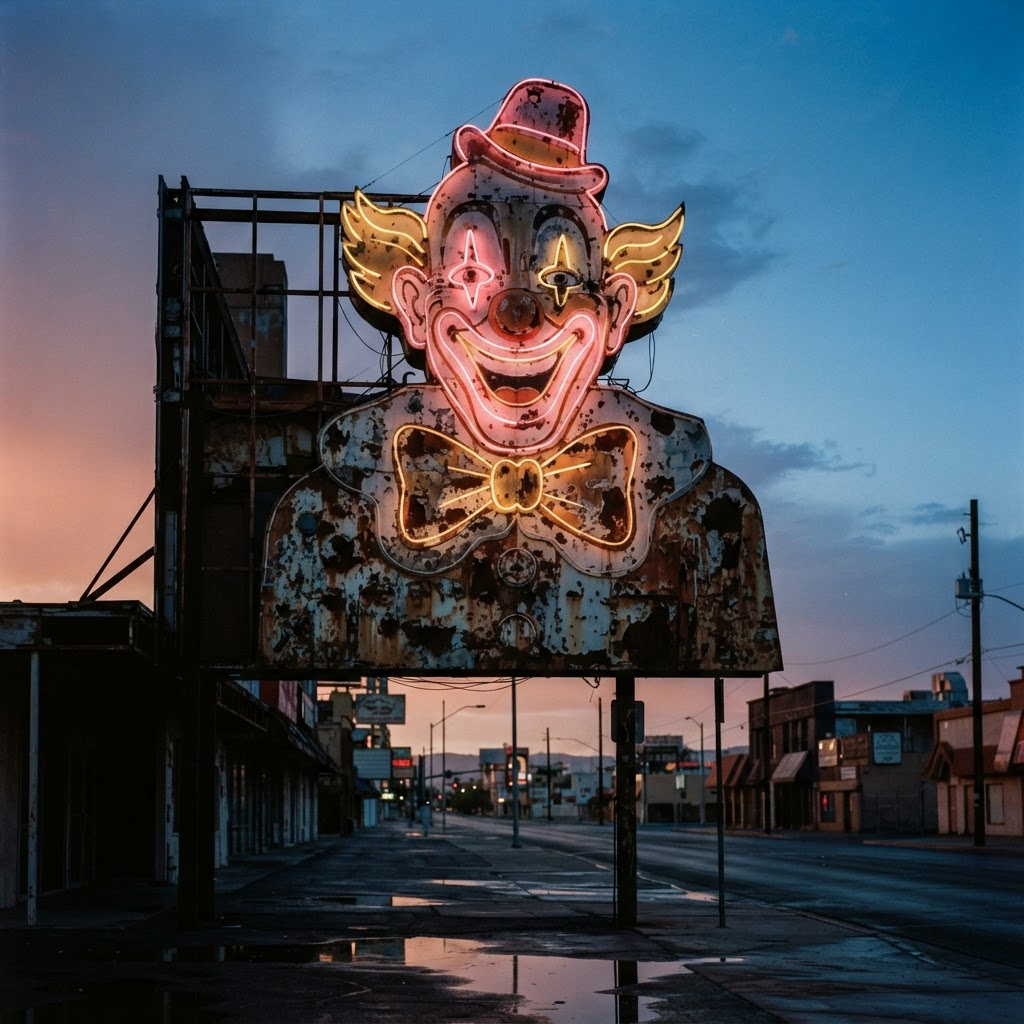
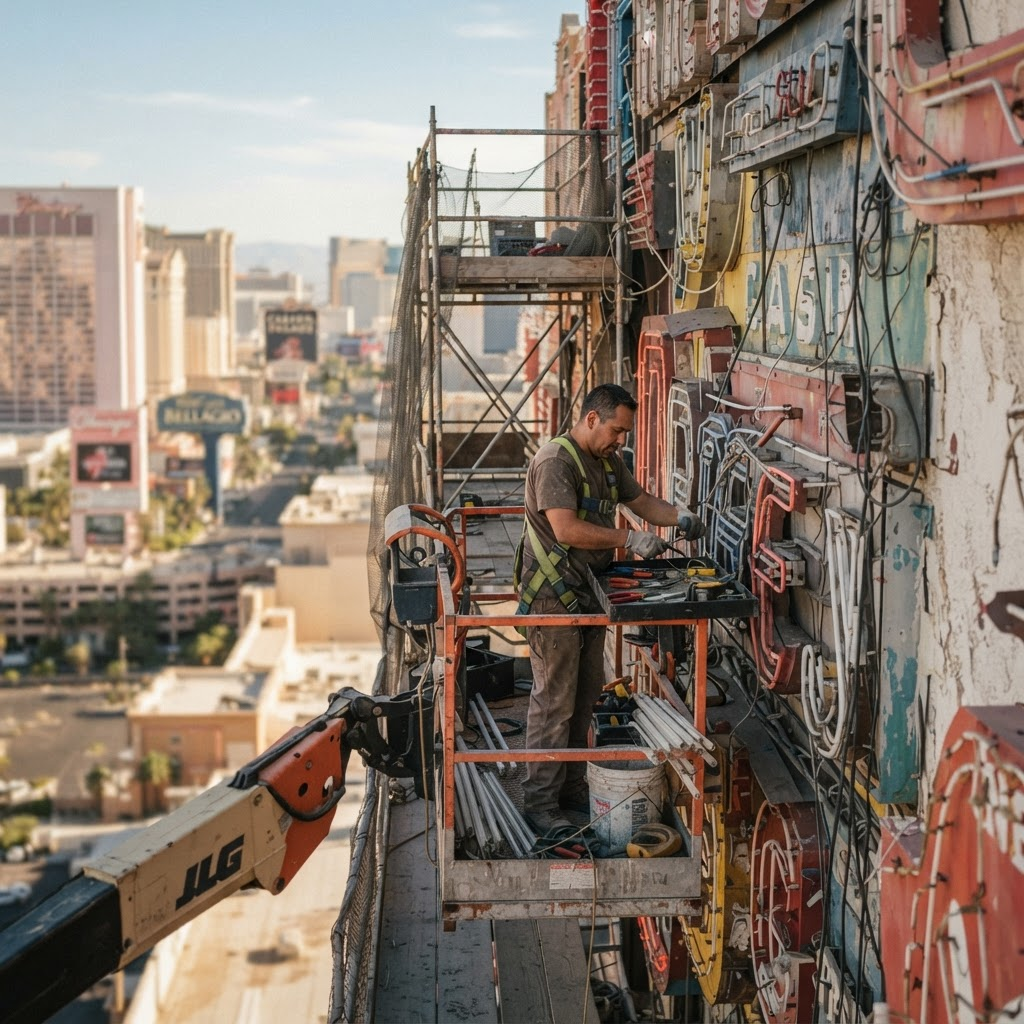
The Lucky the Clown sign darkening exemplifies these cumulative maintenance decisions. Neon restoration requires finding technicians with specific expertise increasingly rare among younger workers. Replacement transformer components must sometimes be custom-manufactured. Electricity costs for 24/7 neon illumination exceed modern LED alternatives by significant margins.
What This Means: Capital Allocation Pressures on Mature Properties
Operators managing 50-year-old properties face strategic inflection points: invest significantly in heritage restoration, modernize with contemporary systems, or gradually depreciate assets toward eventual replacement. Each path carries different financial and brand implications.
Circus Circus's situation illustrates the economics involved. A complete neon sign restoration might cost $250,000-$500,000. Annual electricity costs for neon signage can exceed $50,000-$75,000. LED replacement would reduce electricity costs by 70-80% while delivering comparable visibility. However, LED lacks the aesthetic uniqueness of authentic neon, potentially diminishing brand differentiation.
For B2B service providers, these decisions create divergent market opportunities:
- Restoration specialists see declining demand as operators modernize
- LED technology companies gain market share from conversion projects
- Maintenance contractors face continued business managing aging infrastructure
- Heritage preservation consultants help operators balance brand and economics
Operators of competing properties observe these decisions carefully. If Circus Circus removes or significantly modifies Lucky the Clown, it removes a unique brand asset that potentially drives nostalgia-oriented tourism. Conversely, maintaining unprofitable historical assets can drain resources needed for contemporary amenities that younger customers expect.
What to Watch: Industry Standardization Around Asset Management
Expect growing professional dialogue around standardized approaches to aging gaming property maintenance. Major operators are increasingly employing formal asset lifecycle management strategies, treating casino properties like any other business asset subject to depreciation, ROI analysis, and strategic replacement.
The coming decade will likely see differentiation between operators: - Some will pursue "heritage preservation" positioning, investing in authentic restoration for premium market positioning - Others will embrace complete modernization, appealing to contemporary visitors with state-of-the-art amenities - Many will pursue hybrid approaches, maintaining iconic heritage elements while modernizing functional systems
Las Vegas regulatory environment may evolve to influence these decisions. City council discussions about preserving historic signage or architectural elements could create incentives (tax credits, regulatory benefits) favoring restoration, or conversely, could streamline approval processes for modernization projects.
Monitor how competing operators make similar decisions. Flamingo heritage restoration efforts versus complete redevelopment at other properties will provide market evidence about which strategy generates superior financial returns and brand positioning. The gaming industry is gradually professionalizing around data-driven asset management, moving away from purely subjective preservation impulses.
For B2B suppliers tracking this story, iGaming B2B outreach strategies that align with these regulatory shifts tend to outperform generic approaches.
Analysis based on: casino.org. Published 2026-09-13.
Source: casino.org
James Whitfield
Editor-in-Chief
Member of the iGaming Pulse editorial team. Covering industry news, analysis, and B2B developments across the global iGaming sector.