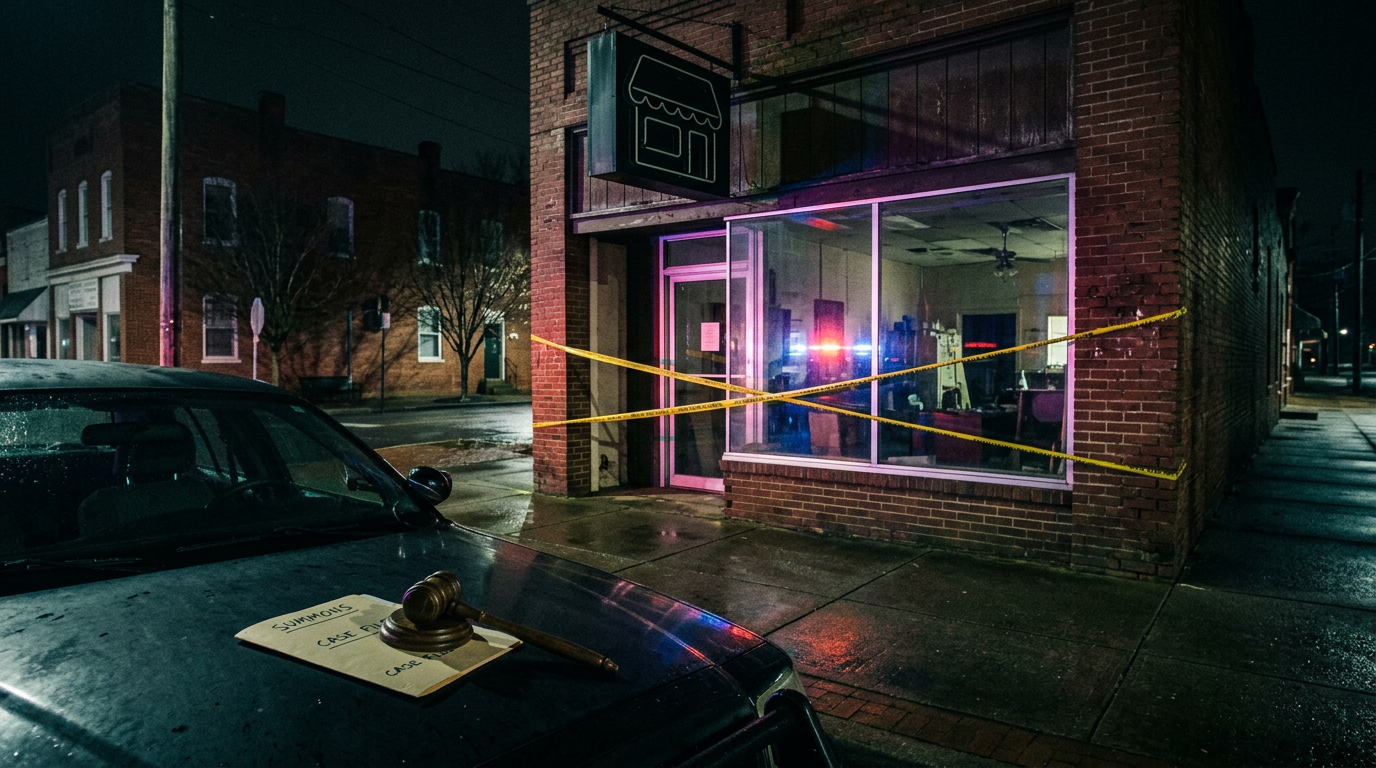
A guest of Live! Casino & Hotel Philadelphia has filed a lawsuit against the property, alleging that the casino's security personnel failed to detect or prevent a robbery that occurred in the parking facility. According to court documents, the plaintiff claims his attackers spent approximately one hour surveilling the parking lot before targeting him for robbery and assault with a firearm.
The suit alleges that casino security—despite ostensibly monitoring the parking area—was oblivious to the criminal reconnaissance taking place, constituting negligent security. The case adds to a growing body of litigation targeting casino operators over parking facility safety protocols.
Security Standards and Casino Liability
Casino parking facilities represent high-liability zones. Guests frequently carry cash, gaming chips, and valuables; parking areas typically operate during evening and overnight hours when surveillance visibility decreases; and operators bear the burden of reasonable security measures under premises liability law.
The plaintiff's allegation—that potential robbers spent an hour in the lot without detection—suggests a gap between the casino's claimed security posture and actual monitoring effectiveness. Security experts note that one hour of vehicular movement or foot traffic in a parking lot should trigger heightened alert protocols, particularly when individuals are displaying surveillance-type behavior (slow driving, repeated route patterns, apparent target selection).
Operational Implications
If the court finds merit in the negligence allegations, Live! Casino may face significant exposure not only in this case but in future incidents. The judgment could also set precedent for parking security standards that apply across the regional casino industry.
Major operators typically employ a combination of tools: CCTV systems with 24/7 monitoring, security personnel on patrol, emergency call boxes, improved lighting, and coordination with local law enforcement. However, monitoring quality varies significantly. Some casinos rely on passive camera recording without active real-time monitoring; others employ security guards who may not be specifically trained in threat assessment or behavioral analysis.
Regulatory and Competitive Ramifications
State gaming regulators may respond to this litigation by issuing guidance on minimum parking security standards. New Jersey, for example, has specific regulatory requirements for parking area surveillance and security staffing. Pennsylvania's gaming commission could follow suit, particularly if additional similar incidents are reported at other properties.
From a competitive standpoint, casinos that upgrade security infrastructure may market this as a customer safety advantage. High-net-worth players and female guests, in particular, increasingly factor safety perceptions into venue selection. Demonstrable security improvements could become a differentiator in saturated regional markets.
The Live! Philadelphia case also highlights the tension between cost containment and risk management. Upgraded parking security—additional guards, improved lighting, real-time monitoring technology—requires capital investment that reduces operating margins. However, the potential liability exposure from inadequate security likely far exceeds incremental security spending.
Source: casino.org
Marcus De Luca
Regulation Correspondent
Member of the iGaming Pulse editorial team. Covering industry news, analysis, and B2B developments across the global iGaming sector.