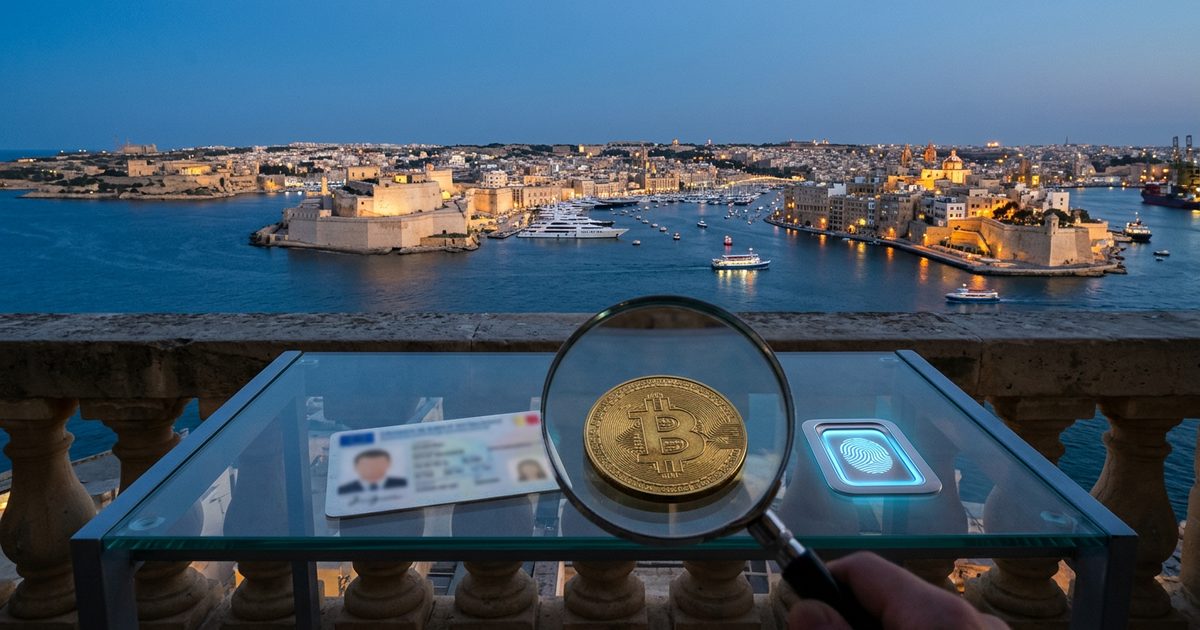
Malta Raises the Bar on Crypto Compliance
The Malta Gaming Authority issued formal guidance on November 8 requiring all licensed operators to implement enhanced customer verification procedures for cryptocurrency transactions. The directive takes effect immediately and applies retroactively to existing licensees.
Operators must now conduct real-time source-of-funds verification for cryptocurrency wallets classified as high-risk, maintain transaction velocity monitoring, and file suspicious activity reports within 24 hours—three times faster than current requirements. The MGA also mandated that operators retain third-party KYC vendors certified to blockchain transaction analysis.
What This Means for the Industry
For operators like Betfair and PokerStars, both Malta-licensed, the compliance overhaul translates to immediate budget allocation for vendor onboarding and staff retraining. Small and mid-size operators relying on legacy compliance systems face a six-month deadline to upgrade or face license suspension.
The move reflects mounting EU pressure on member states to close crypto-gambling loopholes before the 2027 unified AML reporting framework takes effect. Malta's position as Europe's most crypto-friendly gaming jurisdiction has attracted scrutiny from Brussels, particularly around stablecoin betting and peer-to-peer wagering platforms that operate in regulatory gray zones.
What to Watch
Industry observers expect similar moves from UK Gambling Commission and Gibraltar Regulatory Authority within Q1 2027. Operators should monitor whether other EU jurisdictions adopt Malta's real-time reporting standard or implement stricter rules, potentially fragmenting compliance requirements across Europe and forcing operators to choose between markets.
Source: MaltaToday Gaming Desk
Marcus De Luca
Regulation Correspondent
Member of the iGaming Pulse editorial team. Covering industry news, analysis, and B2B developments across the global iGaming sector.