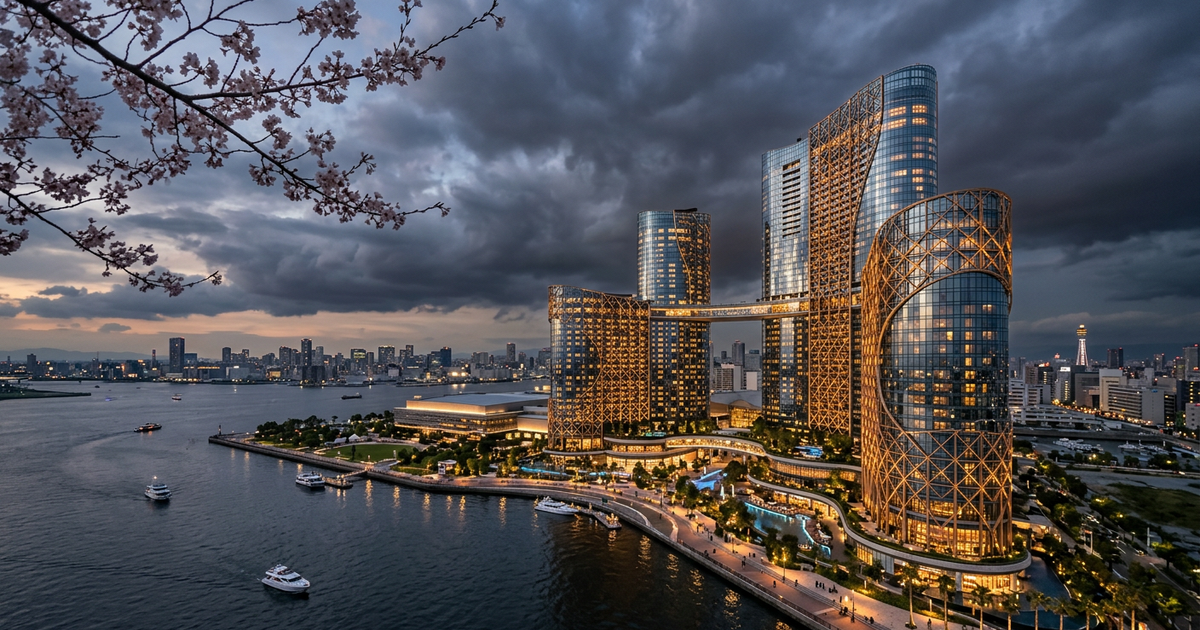
MGM Takes the Wheel on Japan's Historic Casino Market Entry
MGM Resorts is moving full steam ahead on its pioneering integrated resort in Osaka, signalling the global operator's confidence that Japan's tightly controlled gambling market is finally opening for business—even as challenges unique to the Japanese regulatory environment remain substantial.
The resort project represents far more than a single property development. It signals to the broader global gaming industry that Japan, long considered impenetrable to foreign casino operators, is genuinely liberalising. Success or failure could reshape operator investment strategies across Asia-Pacific.
First-Mover Complexity
Ed Bowers, MGM Japan's leadership, has been candid about the company's position: being first carries both opportunity and risk. Japan's casino regulation is still in its infancy, with many operational frameworks, taxation structures, and competitive dynamics yet to be finalised. Unlike established markets where operators can learn from years of precedent, MGM must essentially help write the rulebook while building a world-class resort.
The Japanese Market Context
Japan's population of 125 million and extraordinarily high per-capita income create a tantalizing opportunity. The country has no domestic commercial gambling tradition outside pachinko—a distinct category not comparable to Western casino gaming. This means the market is genuinely greenfield; there are no incumbents to displace.
However, Japan's cultural conservatism and political sensitivity to gambling mean regulation will likely remain more restrictive than markets like Singapore, Macau, or Las Vegas. Consumer demand may take years to develop as Japanese society adjusts to legal casino gaming.
Regulatory Headwinds and Opportunities
MGM must navigate several complexities: strict caps on gaming floor sizes, rigorous anti-money-laundering frameworks, limitations on marketing and sponsorship, and potentially high tax rates. The company is also entering a market where gaming licence terms and competitive dynamics are still being defined by regulators.
Conversely, Japan's legal certainty, political stability, and consumer wealth create a fundamentally different risk profile than many Asian markets. Once the regulatory framework solidifies, operators with early presence will have enormous advantages.
What to Watch
Observers should monitor whether MGM's resort opens on schedule, achieves profitability timelines, and helps establish precedent for how Japanese regulators interact with major international operators. The company's experience will directly influence whether rivals like Las Vegas Sands, Caesars, and regional Asian operators commit serious capital to Japan, or whether MGM ends up as a cautious, limited experiment rather than the beginning of genuine market liberalisation.
Source: iGaming Business
James Whitfield
Editor-in-Chief
Member of the iGaming Pulse editorial team. Covering industry news, analysis, and B2B developments across the global iGaming sector.


