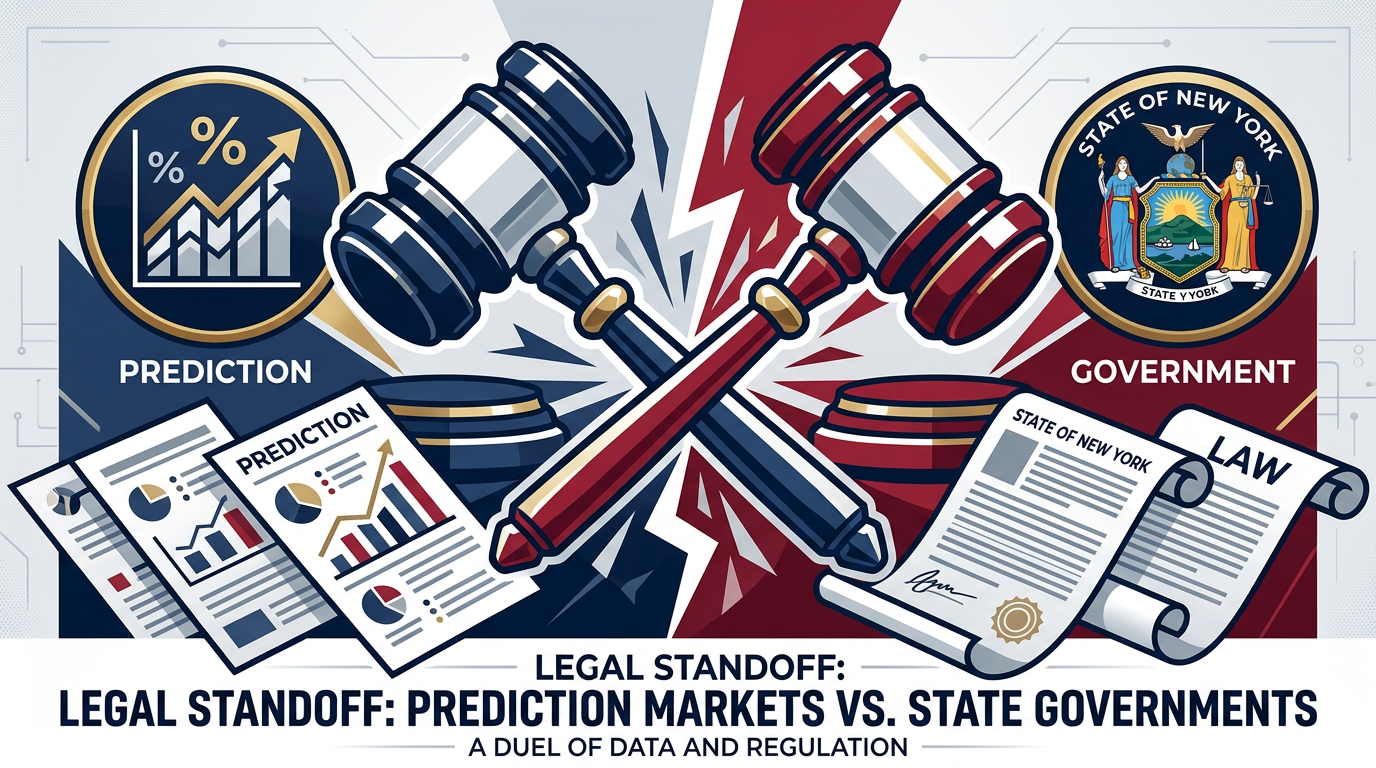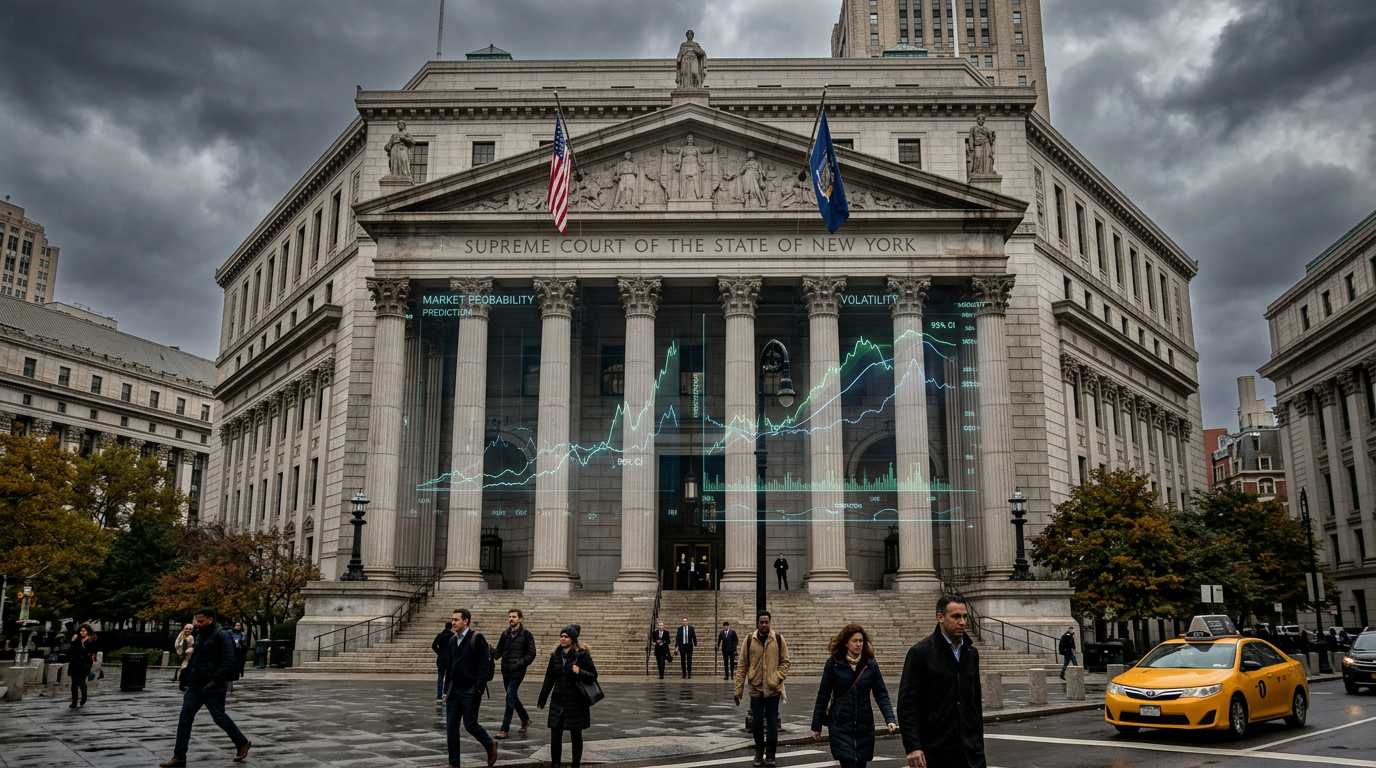
New York's aggressive stance toward prediction markets has reached a new milestone with formal legal action filed against Polymarket, establishing a clear pattern of state-level enforcement against decentralized prediction platforms.
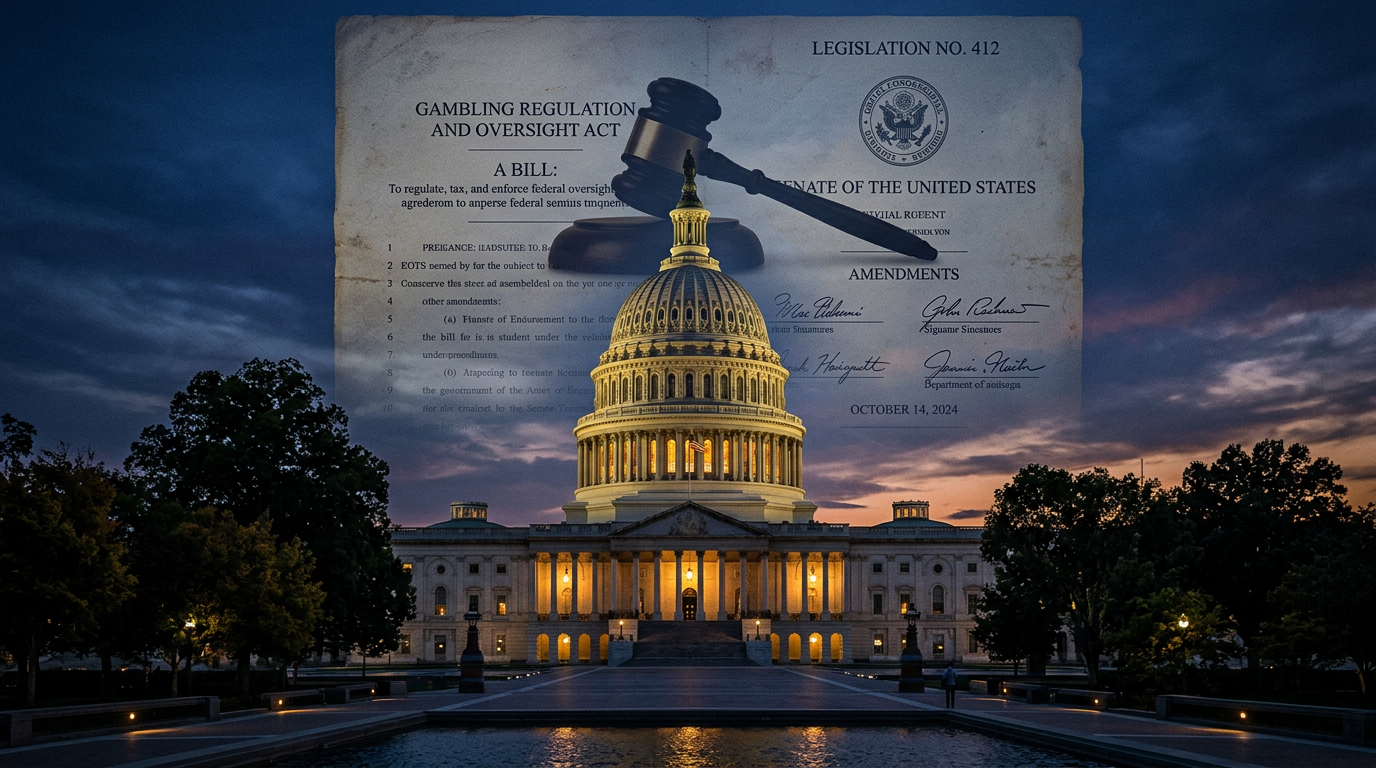
The lawsuit represents part of a broader regulatory pushback against prediction markets, which state authorities increasingly view as unlicensed gambling operations operating in gray legal zones. New York's filing signals that traditional gaming regulators now plan to apply existing gambling statutes to prediction trading platforms.
Simultaneously, enforcement efforts are spreading across state lines. Kalshi, another prediction platform, has reportedly implemented geofencing technology designed to block users accessing the service from California tribal lands—a move suggesting the company is anticipating jurisdiction-specific legal challenges. Meanwhile, Massachusetts has announced plans to examine how DraftKings integrates artificial intelligence into its customer engagement and betting recommendation systems.
These coordinated regulatory efforts represent a significant departure from the hands-off approach many states had previously maintained toward prediction markets. For the past several years, platforms like Polymarket operated in regulatory limbo, arguing they were information markets rather than gambling venues.
State authorities now reject that distinction. New York's action indicates regulators view prediction markets as functionally identical to sports betting and casino wagering, merely repackaged through blockchain technology or decentralized platforms.
The implications extend beyond prediction markets themselves. Gaming operators offering traditional sports betting and casino products are watching closely to understand whether state regulators plan to apply similar scrutiny to emerging technologies like AI-powered customer targeting and algorithmic recommendation systems.
Industry observers expect more states to follow New York's lead, with additional lawsuits and enforcement actions likely throughout the remainder of 2026. The outcome will substantially influence whether prediction markets can establish themselves as mainstream financial instruments or whether U.S. state regulators will succeed in containing them as a niche product category.
Source: Gambling Insider
Marcus De Luca
Regulation Correspondent
Member of the iGaming Pulse editorial team. Covering industry news, analysis, and B2B developments across the global iGaming sector.