Pennsylvania Enforces Skill Game Ban as Court Deadline Arrives
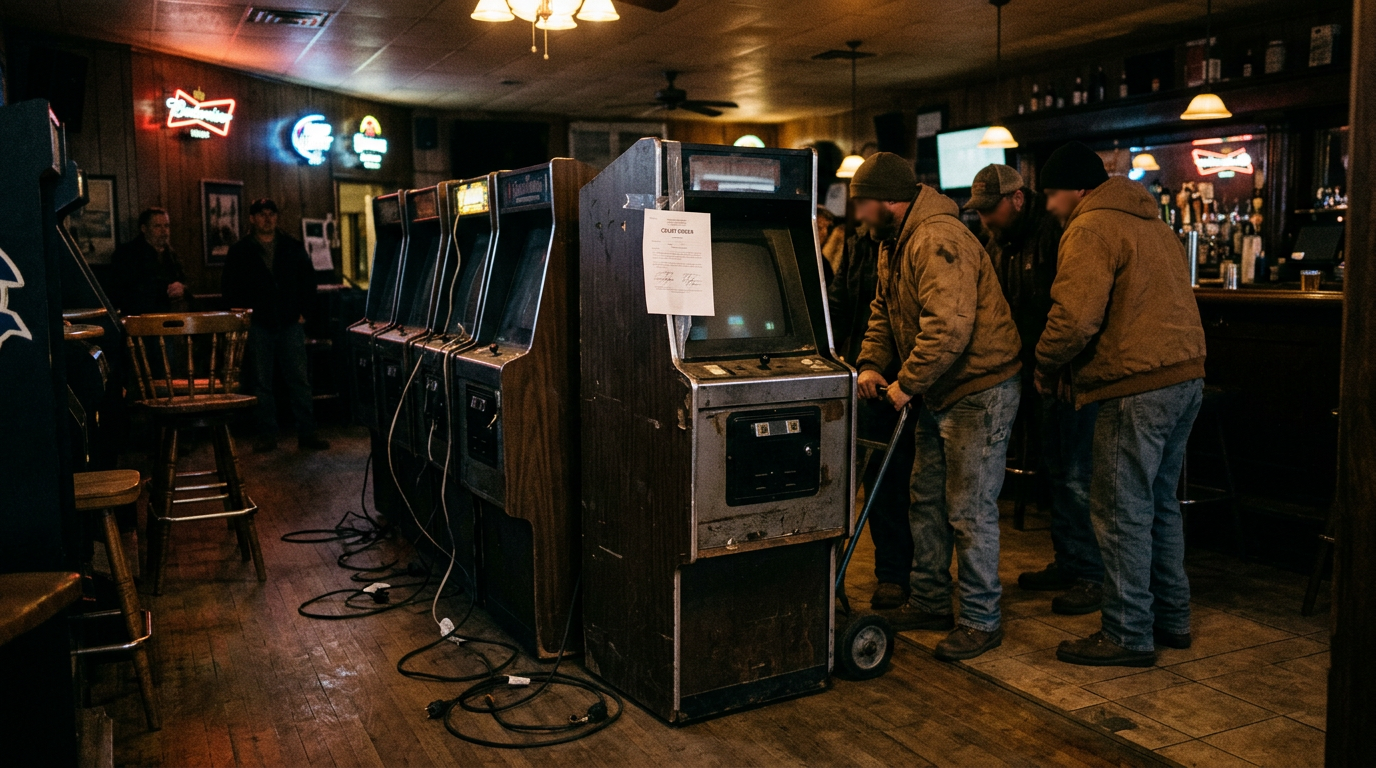
Pennsylvania's gaming landscape shifted dramatically on October 14, 2026, as the state Supreme Court's decision to classify skill games as illegal slot machines became enforceable law. The ruling terminated legal operations for devices that had occupied a regulatory gray area for years.
The Regulatory Collapse
October 13 marked the final day businesses could legally operate skill games in Pennsylvania. Beginning October 14, retailers, bars, and gaming establishments faced forced removal of thousands of machines statewide. The Pennsylvania Supreme Court had determined that skill games—despite their marketing as games of skill rather than chance—constituted illegal slot machines under state law.
Legislative efforts to create a regulatory framework and licensing structure for skill games failed to advance before the court's deadline. Lawmakers had attempted to carve out legal status for the devices, but competing interests between casino operators, retailers, and gaming advocates prevented consensus.
Impact on Retail and Gaming Ecosystem
The shutdown affects an estimated 8,000 to 10,000 skill game machines operating across Pennsylvania's retail and hospitality sectors. Bars, convenience stores, and restaurants that relied on skill game revenue faced immediate operational decisions about machine removal and revenue replacement.
Larger gaming operators—particularly Pennsylvania's casino industry—had generally opposed skill game legalization, viewing the devices as competitive threats to slot machine revenue at licensed venues. The Supreme Court's ruling effectively resolved that competitive tension in favor of established casinos.
Precedent and Interstate Implications
Pennsylvania's enforcement action may influence how other states approach the skill-versus-chance distinction. Several states maintain similar regulatory ambiguity around skill games, and Pennsylvania's definitive court action provides clarity but limited pathway for operators to adjust.
The failure of legislative compromise also highlights tensions between retail interests and gaming monopoly operators that characterize state gambling policy. Without legislative protection, retailers had no recourse once courts determined skill games constituted prohibited gaming devices.
Operators had known the deadline for months, allowing preparation time, but the lack of any regulatory off-ramp meant forced compliance rather than phased transition.
Source: Casino.org
Marcus De Luca
Regulation Correspondent
Member of the iGaming Pulse editorial team. Covering industry news, analysis, and B2B developments across the global iGaming sector.