Regulatory Pressure Mounts on Prediction Markets
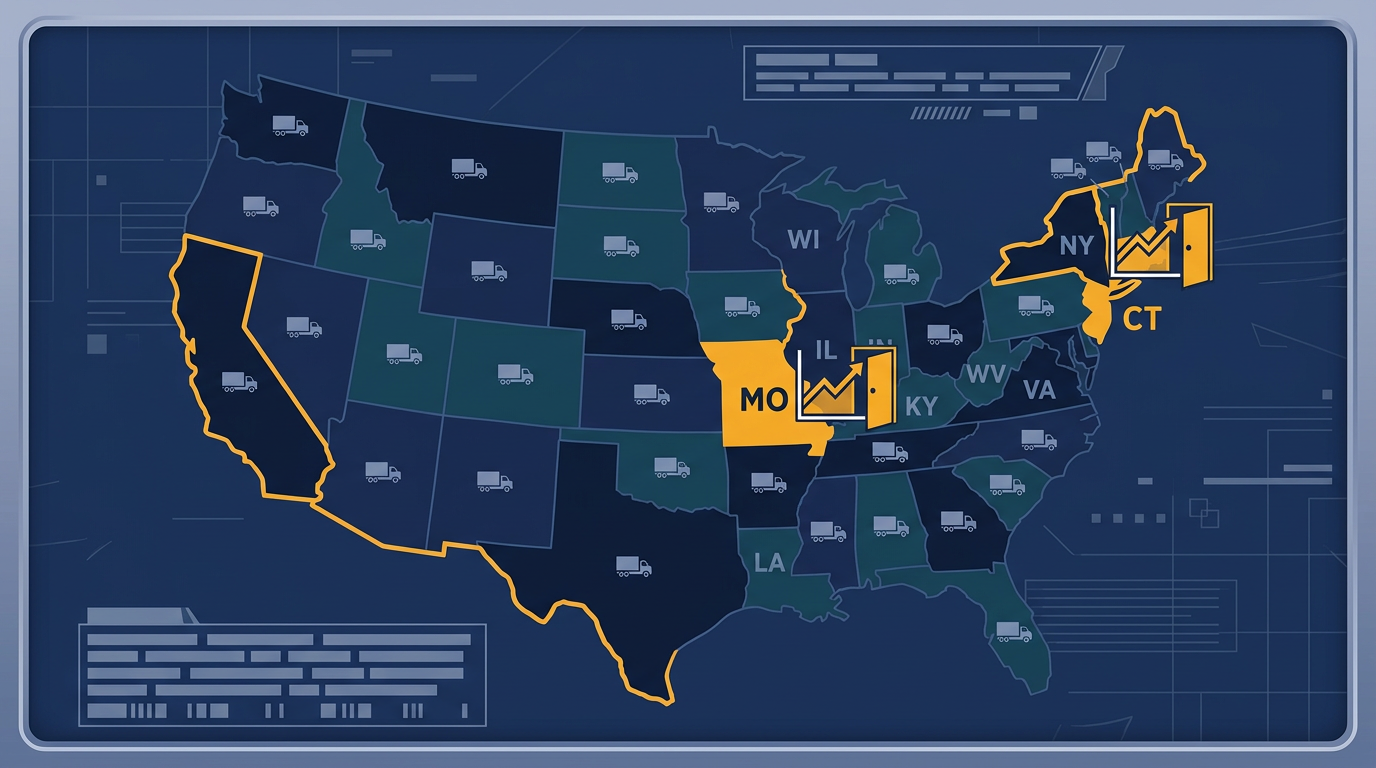
Prediction market operators face an accelerating regulatory squeeze in the United States, with Connecticut and Missouri taking formal enforcement action that has already triggered market exits and service suspensions.
Connecticut state officials confirmed on October 7 that three prediction market operators have been subjected to enforcement pressure, compelling them to scale back or terminate operations within the state. The move reflects growing concern among state regulators about the nature and classification of prediction market offerings.
Missouri's situation mirrors Connecticut's trajectory. New derivatives regulations in the state have prompted prediction market operators to reassess their exposure, with some electing to withdraw rather than comply with heightened supervisory requirements.
A Patchwork Compliance Landscape
Unlike traditional sports betting, which benefits from relatively uniform regulatory frameworks across legalized states, prediction markets remain trapped in legal ambiguity. Each state's regulatory apparatus interprets these platforms differently—some classifying them as gambling, others as derivatives or securities products.
This fractured approach creates substantial operational headaches for prediction market operators attempting national or multi-state strategies. What passes regulatory muster in one jurisdiction may face outright prohibition in another.
Tribal Litigation Escalates the Stakes
The regulatory assault on prediction markets extends beyond state-level enforcement. A Native American tribe has escalated the conflict by taking legal action against Kalshi, a leading prediction market platform, signaling that tribal gaming interests may also perceive prediction markets as competitive threats to their gaming operations.
This tribal litigation represents a novel vector of pressure—one that complements state enforcement while introducing federal question jurisdiction into prediction market disputes.
What Operators Must Watch
The Connecticut and Missouri exits establish a troubling precedent. If other states follow suit with their own enforcement actions, the prediction market sector could fragment into isolated regional markets or be forced to exit the U.S. market entirely.
Operators should monitor for coordinated state regulatory responses, particularly from gaming commissions that view prediction markets as unregulated gambling competitors. The next few months will likely determine whether prediction markets can find sustainable regulatory footing or whether they face cumulative exits from major U.S. markets.
Source: Gambling Insider
Marcus De Luca
Regulation Correspondent
Member of the iGaming Pulse editorial team. Covering industry news, analysis, and B2B developments across the global iGaming sector.