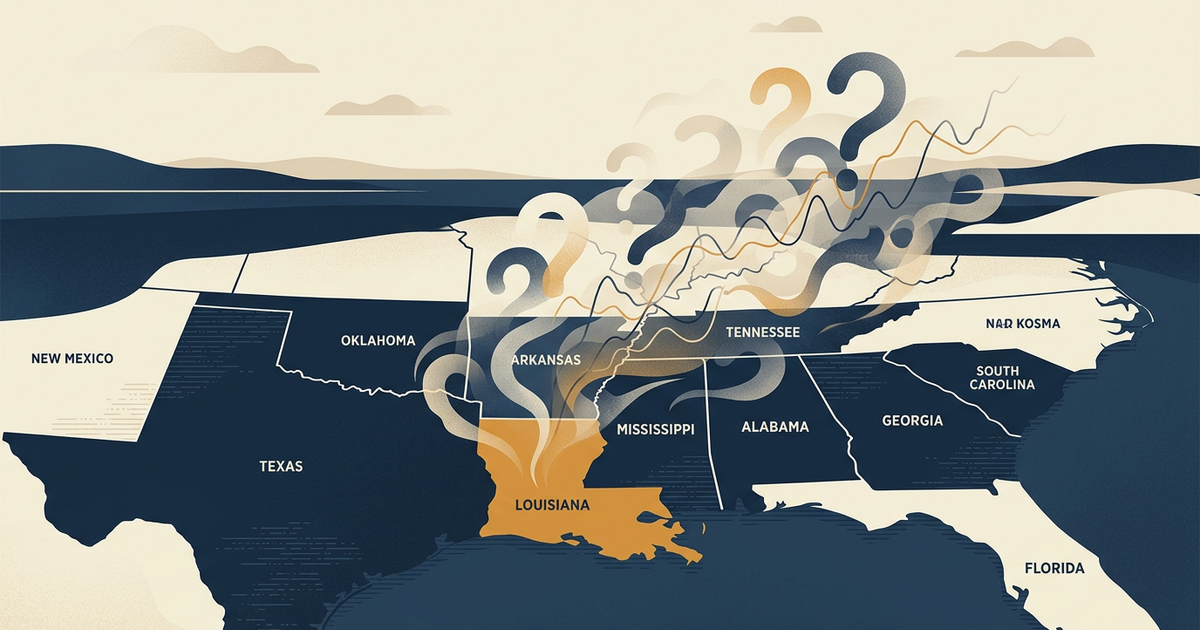
Prediction market operators face an increasingly hostile regulatory environment across US states, with Louisiana's action against Kalshi exemplifying the risk landscape platforms navigate daily.
The dispute centers on whether state authorities can enforce unilateral shutdowns without providing operators with advance notice or hearing opportunities. Kalshi's legal challenge hinges on constitutional due process protections, arguing that Louisiana failed to follow basic procedural safeguards.
Yet the contradiction between Kalshi's claims and court filings suggests the regulatory reality is messier than either side's public positioning suggests. The company's own legal preparations indicate awareness of potential enforcement risk, complicating its narrative of surprise or ambush.
For other prediction market platforms operating across multiple states, the case signals that regulatory tolerance is narrowing. Several other states have moved to restrict or prohibit prediction market activity, citing concerns about market manipulation, consumer protection, and gambling proliferation.
Unlike traditional online sportsbooks or casino operators, prediction market platforms lack a unified regulatory framework at the federal level. This vacuum has allowed individual states to adopt conflicting approaches, forcing multi-state operators to maintain separate compliance regimes or withdraw from hostile jurisdictions entirely.
Industry observers expect the Kalshi case to influence how other states structure enforcement actions and whether prediction market operators collectively pursue federal legislative solutions to harmonize regulatory treatment across states.
Source: Gambling Insider
Marcus De Luca
Regulation Correspondent
Member of the iGaming Pulse editorial team. Covering industry news, analysis, and B2B developments across the global iGaming sector.