Context
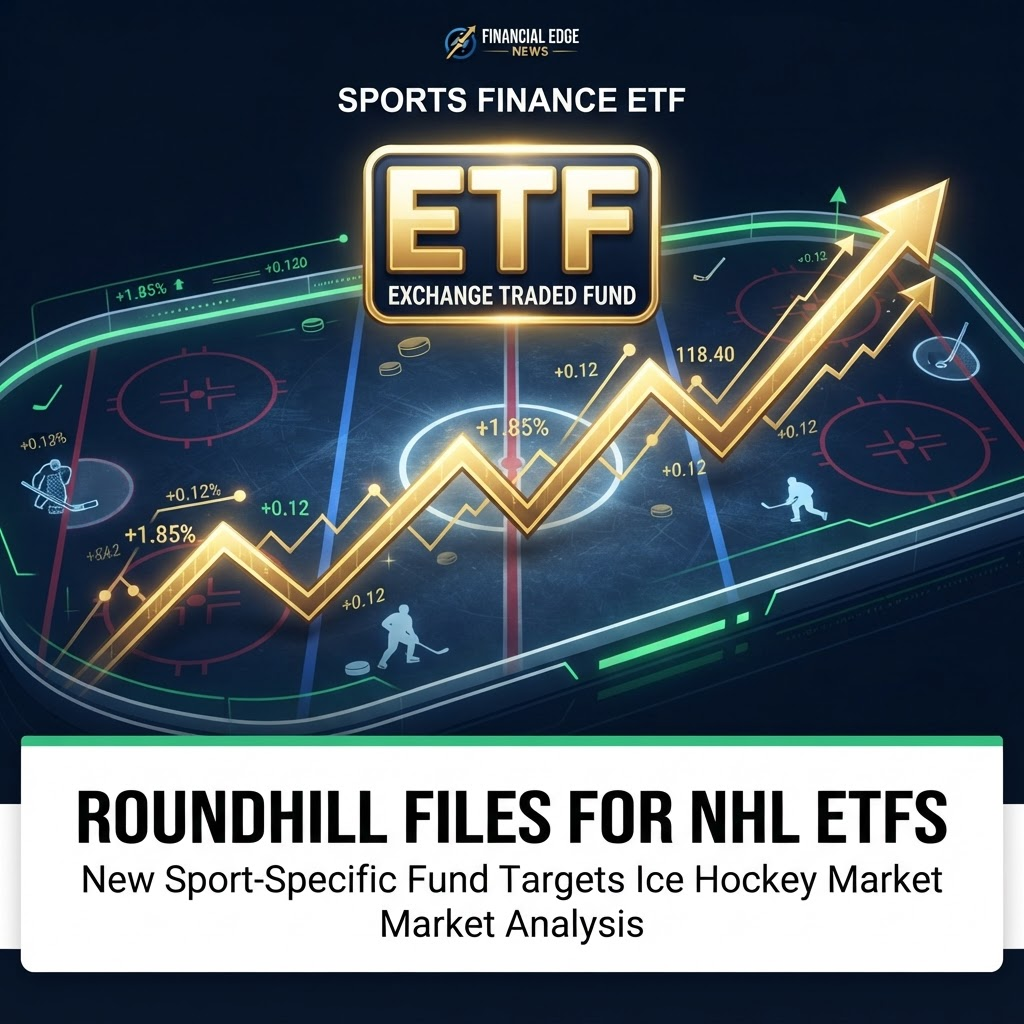
Roundhill Investments announced on August 22, 2026, that it has filed plans to launch a suite of exchange-traded funds tethered to indexes measuring the performance of National Hockey League teams. The filing represents Roundhill's entry into the growing category of sports-themed financial products and arrives just days after Volatility Shares disclosed similar plans for NHL-focused ETFs.
This competitive race reflects broader industry trends toward experiential and fan-engagement-driven financial products. As traditional ETF markets mature and retail investors seek differentiated investment vehicles, financial services providers are increasingly turning to sports properties and team performance metrics as the basis for index construction. The NHL, with its passionate fan base and growing mainstream appeal, represents an attractive target market for these products.
The timing and near-simultaneous filings from multiple competitors suggest that the regulatory environment for sports-themed ETFs has matured sufficiently to support multiple issuers. Both Roundhill and Volatility Shares likely expect SEC approval within a reasonable timeframe, indicating that regulators view sports-themed indexes as legitimate financial instruments rather than speculative vehicles.
What This Means
For the iGaming sector, NHL-themed ETFs represent an interesting convergence point between sports finance and sports betting engagement. While ETFs and sportsbook products operate in fundamentally different markets, they target overlapping audiences—sports fans with disposable income and interest in NHL performance.
Operators should monitor whether these ETF launches influence customer acquisition or engagement strategies among their target demographic. Fans who actively trade NHL-themed ETFs may also be more likely to engage with sports betting products, and operators may find opportunities to develop cross-promotional partnerships or integrated campaigns.
Additionally, these ETF filings underscore the growing legitimacy and mainstream acceptance of sports performance as a basis for consumer financial products. This trend normalizes sports data monetization and fan engagement monetization more broadly, which could create spillover benefits for sports betting operators seeking regulatory approval or public perception improvements.
For operators seeking to enhance operator engagement with third-party vendors and financial service providers, ETF launches present opportunities to explore affiliate arrangements, co-marketing initiatives, or technology partnerships. As sports-themed financial products proliferate, integrated ecosystems that connect ETFs, sportsbooks, and fan engagement platforms may emerge as a strategic competitive advantage.
What to Watch
Monitor the SEC's response to both Roundhill and Volatility Shares filings. Approval timelines and any regulatory conditions imposed on these products will signal whether additional sports-themed ETF proposals will face clear regulatory pathways or heightened scrutiny.
Also watch for additional competitors entering the sports-themed ETF space. If Roundhill and Volatility Shares succeed in launching their initial NHL products, expect issuers to quickly expand to other sports leagues—NBA, NFL, MLB—and potentially to individual team performance indexes rather than league-wide vehicles.
Finally, track whether NHL and other sports properties establish official partnerships with ETF issuers or integrate these products into their digital fan engagement platforms. Official endorsements and integration could significantly accelerate adoption and create precedents for how sports leagues monetize fan engagement across financial and betting channels.
Source: casino.org

Illia Lisovskyy
Senior Editor
Member of the iGaming Pulse editorial team. Covering industry news, analysis, and B2B developments across the global iGaming sector.