Context
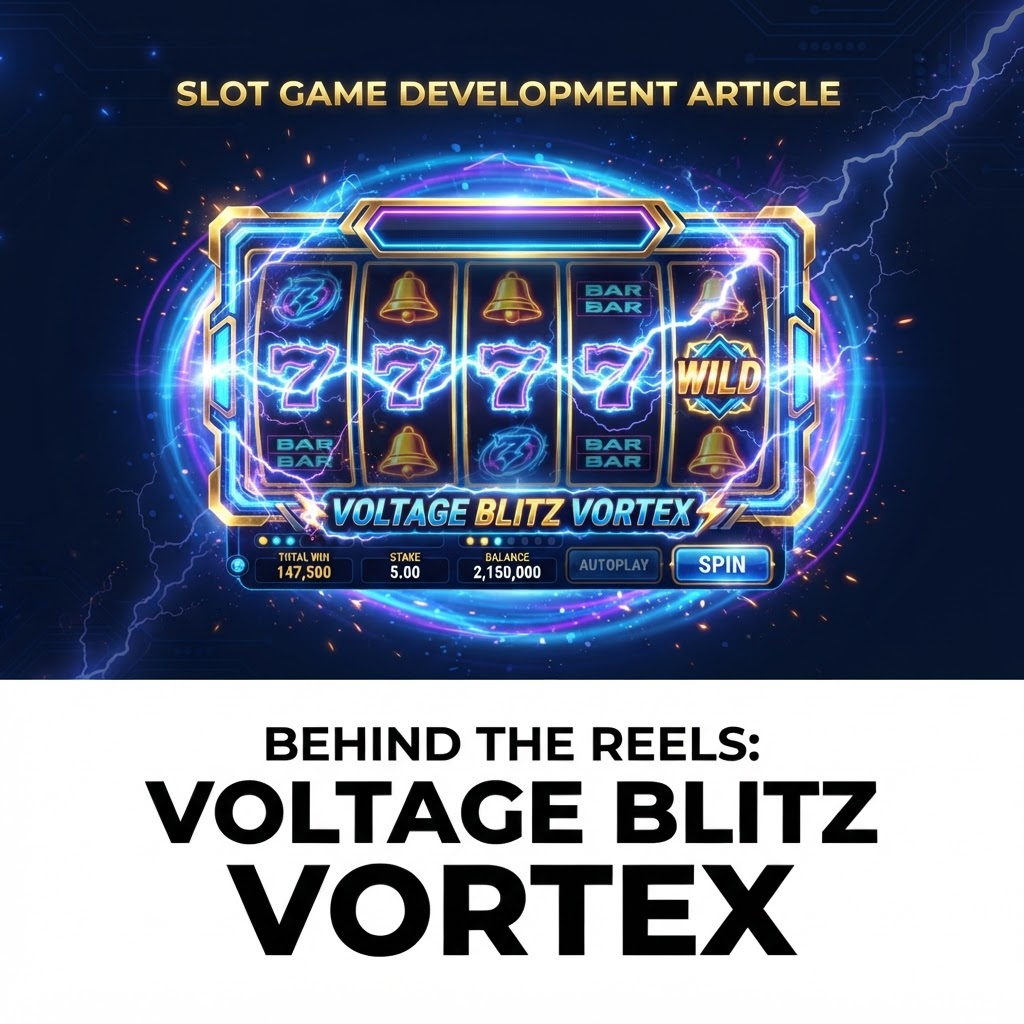
RubyPlay, a prominent game development studio, has launched "Behind the Reels," an episodic content series documenting the creative and commercial processes behind its most successful titles. The first episode focuses on Voltage Blitz Vortex, an electrifying slot game that has achieved significant traction among operators and players.
According to the series, the game's development journey began with an initial pitch for a traditional leprechaun-themed slot experience—a concept that is historically popular in iGaming but highly competitive. Rather than proceeding with the familiar theme, RubyPlay's creative team reconsidered the market opportunity and player preferences, ultimately pivoting toward an entirely different concept centered on high-energy electrical aesthetics and dynamic gameplay mechanics.
This pivot demonstrates an often-overlooked aspect of game development: the willingness to reject initial concepts when market research suggests stronger alternatives. The collaboration with Koala Games contributed specialized expertise that enhanced the final product's appeal.
What This Means
Voltage Blitz Vortex's development narrative offers valuable insights into how modern game providers balance creative vision with commercial pragmatism. For operators evaluating game providers, this case study demonstrates RubyPlay's capacity to:
- Conduct thorough market analysis before committing significant development resources
- Adapt creative direction based on competitive landscape assessment
- Collaborate with specialized partners (like Koala Games) to enhance product quality
- Develop games that resonate with contemporary player preferences for dynamic, visually sophisticated experiences
The game's success validates the pivot decision and suggests that operators should prioritize providers who demonstrate this level of analytical rigor. Rather than accepting the first pitch, developers who test assumptions and iterate based on market feedback tend to produce higher-performing titles.
For providers seeking to improve operator engagement and demonstrate expertise, sharing development case studies like this one builds credibility and differentiation. Operators are increasingly interested in understanding how providers approach product development, particularly when evaluating partnerships for exclusive or branded content.
What to Watch
Expect more game developers to follow RubyPlay's model of publishing behind-the-scenes development content. This trend addresses a gap in B2B communication—operators rarely understand the strategic thinking behind game concepts, and providers rarely articulate their methodologies.
Additionally, monitor whether Voltage Blitz Vortex's success influences player preferences toward electric/energy-themed games, or whether the game's appeal is concept-agnostic. This will inform whether other developers should pursue similar aesthetic choices.
Finally, watch for announcements regarding RubyPlay's future partnerships with studios like Koala Games. If collaboration models prove successful for both studios, expect more complex development ecosystems where specialized providers contribute distinct capabilities to single game titles. Operators should stay informed about provider collaboration networks, as these partnerships often indicate quality and innovation capacity.
Source: igamingbusiness.com

Illia Lisovskyy
Senior Editor
Member of the iGaming Pulse editorial team. Covering industry news, analysis, and B2B developments across the global iGaming sector.