Context
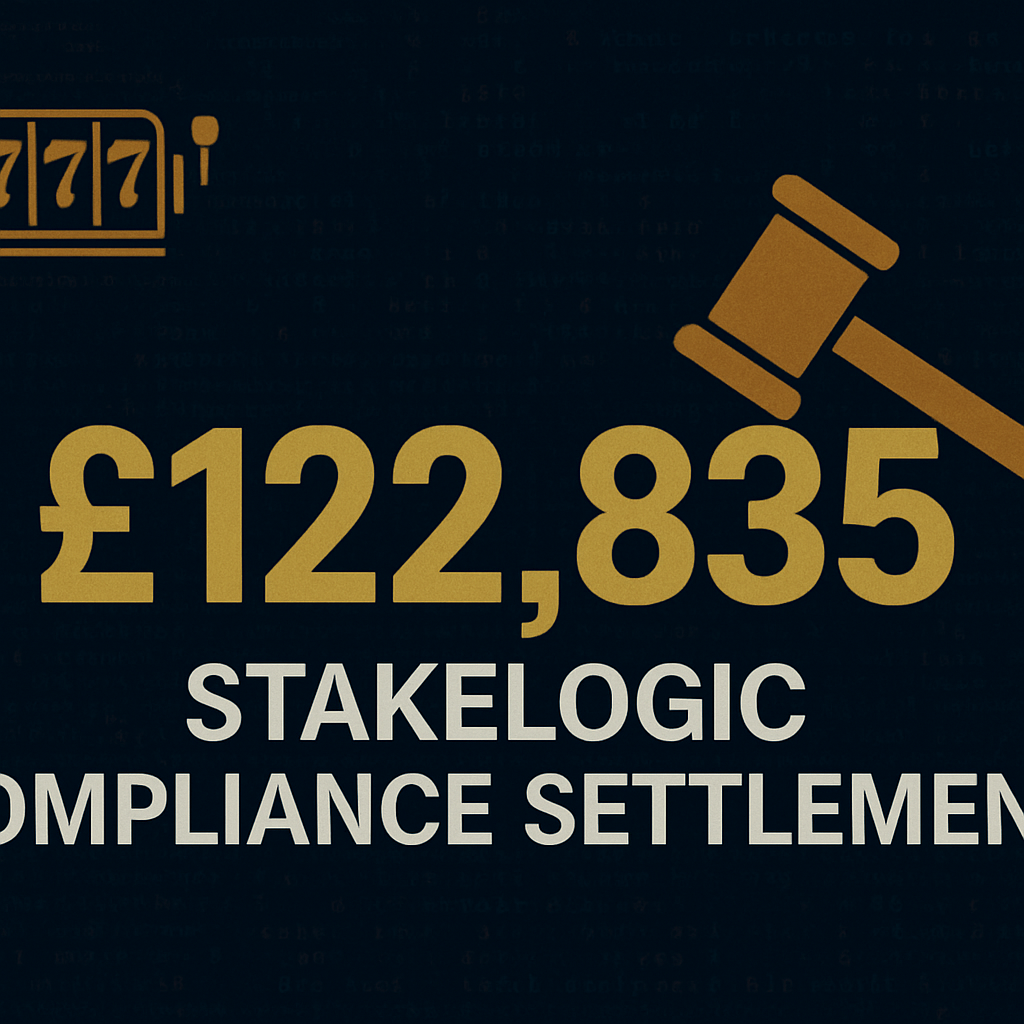
Stakelogic BV, a Netherlands-based gaming software provider that specialises in slot games and casino content, has accepted a regulatory settlement following the discovery of timing compliance issues in one of its titles, Tiger Temple 88. The settlement amount of £122,835 reflects penalties imposed for failures to meet technical compliance standards governing slot game mechanics.
The timing breaches in Tiger Temple 88 represent a critical regulatory concern: if slot game timing — the speed at which game rounds complete, payout calculations, or animations display — deviates from approved specifications, it can affect the integrity of random number generation (RNG) and player protection mechanisms. Regulators treat timing issues seriously because they can enable manipulation or introduce unintended player disadvantages.
Significantly, Stakelogic self-reported the violation rather than facing external detection. This self-disclosure demonstrates the company's compliance culture but also highlights the importance of internal audit mechanisms for game providers.
What This Means
For game suppliers, the Stakelogic settlement reinforces that regulators conduct detailed technical audits of game mechanics beyond simple payout ratios and RNG verification. Timing, animation speeds, and state transitions must all comply precisely with approved specifications. Suppliers must invest in sophisticated testing infrastructure to verify compliance across millions of game instances and player sessions.
For operators using Stakelogic games, the settlement necessitates confirmation that affected titles have been remediated. Operators should audit their compliance programmes to ensure similar breaches are identified and corrected internally rather than discovered by regulators. This proactive approach protects both player experience and operator licensure.
The self-reporting aspect is worth noting for its strategic value. Regulators typically treat voluntary disclosure more favourably than externally detected violations, both in penalty quantum and reputational impact. Stakelogic's transparency may have reduced the penalty significantly compared to what a regulator-initiated discovery might have produced.
For the broader games supply sector, this case confirms that technical compliance is not a static certification exercise. Games must be continuously monitored post-launch, as timing characteristics can drift with platform updates, server infrastructure changes, or third-party integrations.
What to Watch
Monitor regulator announcements regarding other slot titles under technical review and whether additional suppliers face similar enforcement actions in 2026. Track Stakelogic's response in terms of compliance infrastructure investment and whether the company publishes an updated testing protocol following the settlement.
Source: iGaming Business. Published 2026-06-26.
Source: iGaming Business
James Whitfield
Editor-in-Chief
Member of the iGaming Pulse editorial team. Covering industry news, analysis, and B2B developments across the global iGaming sector.