Context
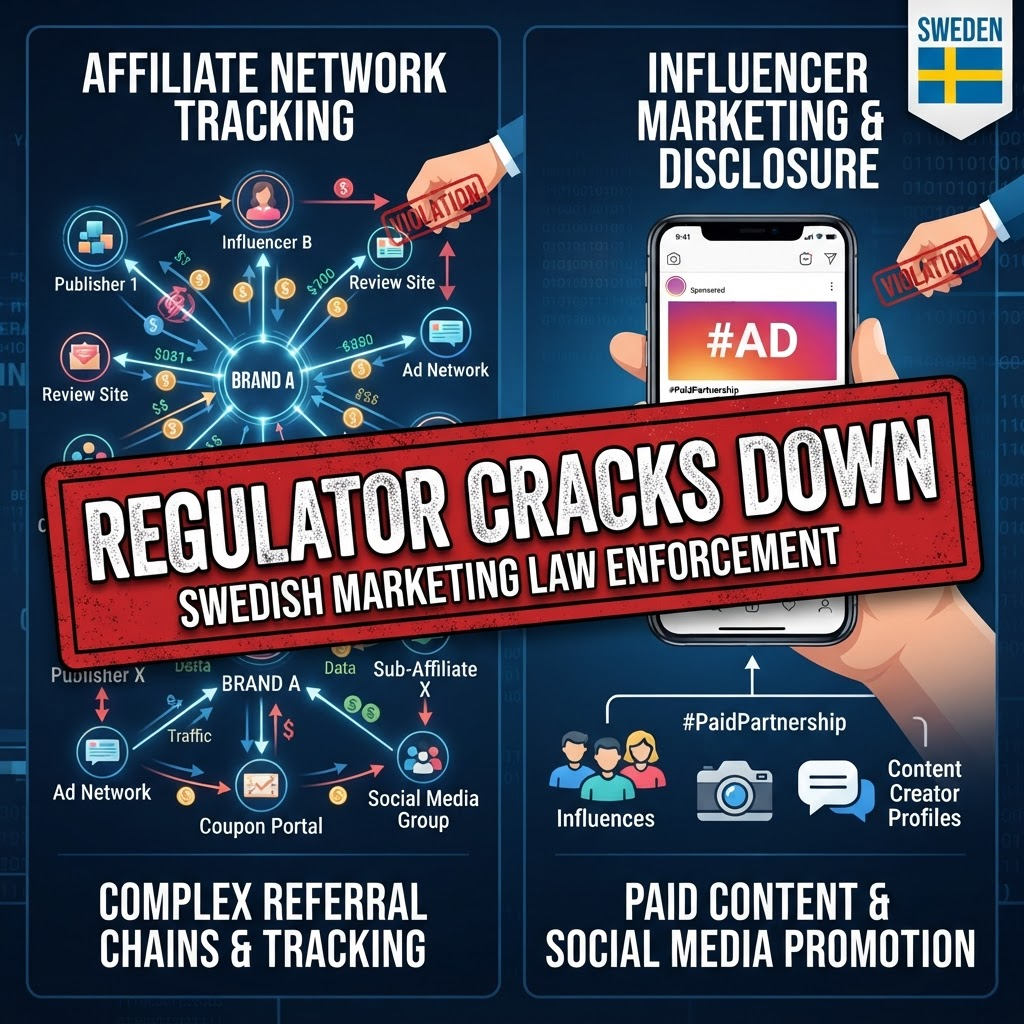
Sweden's Spelinspektionen gambling authority has released findings identifying affiliate marketing networks and social media influencers as the dominant advertising channels through which unlicensed gambling operators reach Swedish consumers. The regulator's report highlights the sophisticated mechanisms used by illegal operators to circumvent traditional advertising restrictions and reach target demographics.
The timing of Spelinspektionen's disclosure is significant: it arrives months before the EU's proposed Digital Fairness Act (DFA) is implemented, legislation widely expected to include comprehensive restrictions on influencer marketing for gambling and other high-risk sectors.
What This Means
The affiliate and influencer ecosystem has become a critical vulnerability in regulated gaming markets. Unlike traditional media advertising, which is subject to clear broadcast regulations, influencer content operates in a grey zone — sponsored posts, product placements, and indirect endorsements are difficult to monitor and enforce against.
Unlicensed operators have exploited this regulatory gap by recruiting influencers (particularly those with younger audiences) to promote their platforms through seemingly organic content. Spelinspektionen's focus on this channel signals that illicit operator revenue is now substantially dependent on affiliate-driven customer acquisition.
For licensed operators and legitimate affiliate networks, stricter regulations will likely require enhanced affiliate vetting and ongoing compliance monitoring, clear disclosure requirements for gambling-related influencer partnerships, and responsibility frameworks holding operators accountable for affiliate conduct.
Source: iGaming Business

Illia Lisovskyy
Senior Editor
Member of the iGaming Pulse editorial team. Covering industry news, analysis, and B2B developments across the global iGaming sector.