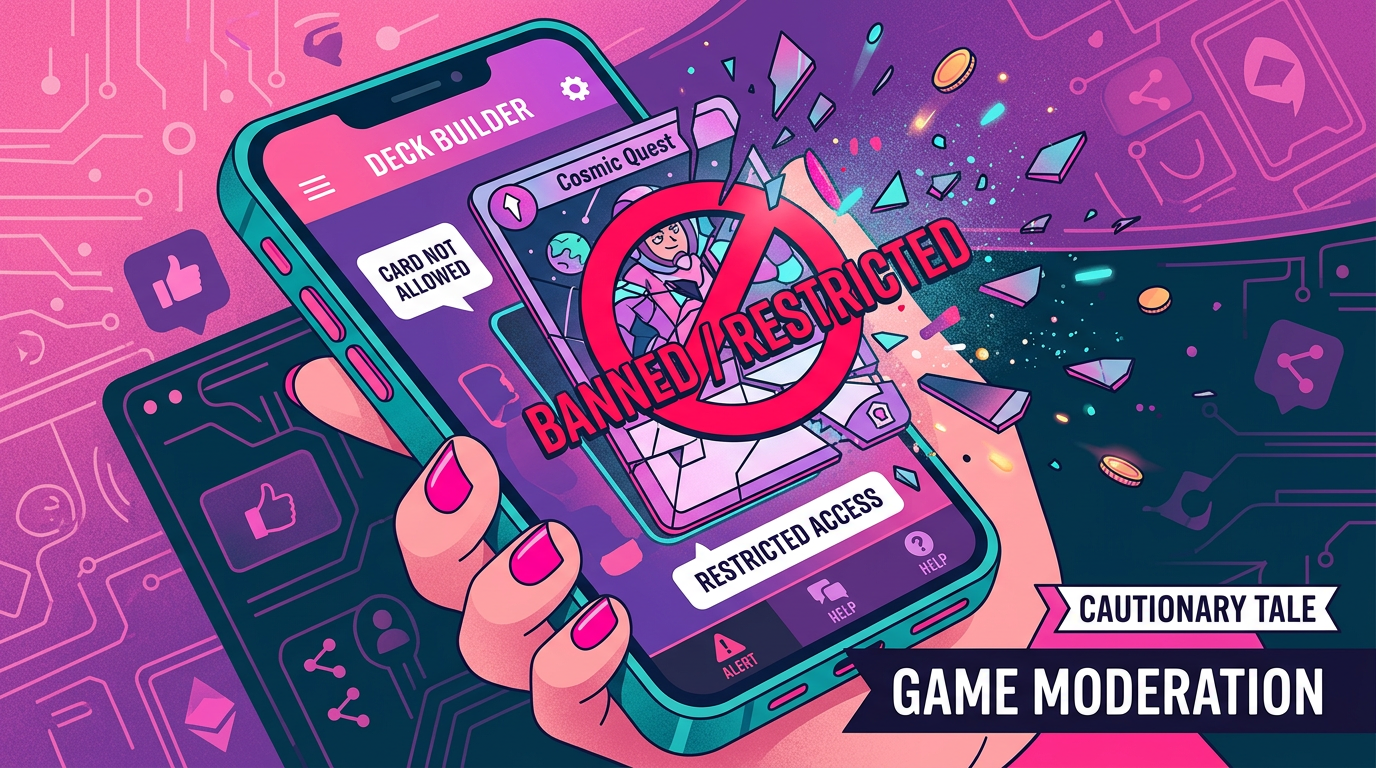
TikTok has taken aggressive action to consolidate control over gambling-adjacent activity on its platform, prohibiting independent sellers from offering random card breaks and directing such transactions exclusively through TikTok Shop's proprietary randomized auction tool.
The policy change marks the third significant revision to TikTok Shop's gambling framework since late May, revealing the platform's evolving—and increasingly restrictive—approach to gaming content. Card breaks, which allow collectors to purchase sealed packs with randomized distribution outcomes, have historically operated in regulatory gray zones. TikTok's classification of breaks as lottery-adjacent activities vulnerable to legal challenge prompted the removal of third-party seller access.
Instead of allowing marketplace sellers to operate independently, TikTok has expanded its own randomized auction product beyond collectible cards into beauty, electronics, and toys. This consolidation strategy mirrors broader platform evolution toward capturing transaction value directly rather than taking commission on seller activity.
For card sellers and collecting content creators who previously monetized break sales through TikTok Shop, the policy reversal eliminates a revenue stream. These creators now face choice between adopting TikTok's standardized auction format or abandoning the platform for alternative distribution channels.
The strategic shift reflects TikTok's broader recalibration around gambling and gaming content. As regulatory scrutiny of social platforms' gambling facilitation has increased, TikTok appears to be adopting a harm-reduction approach that maintains monetization while centralizing control. By controlling the randomization mechanism and auction process directly, TikTok can argue it maintains oversight over outcomes and odds, reducing regulatory liability compared to open marketplace models.
For gaming operators and sports betting platforms, TikTok's actions signal that social networks increasingly view gambling-adjacent activities as strategic business opportunities rather than purely content categories. TikTok's expansion of randomized auctions into mainstream commerce categories suggests the company is building infrastructure that could eventually support direct sports betting or casino-style gaming products.
The timing aligns with broader platform gaming ambitions. Meta, YouTube, and other major networks are similarly exploring how to capture gaming transaction value while maintaining acceptable regulatory profiles. TikTok's aggressive consolidation of gambling-adjacent controls may establish a template other platforms adopt as legal and policy frameworks around platform gaming continue hardening.
Source: Gambling Insider
Sofia Eriksson
Senior Reporter
Member of the iGaming Pulse editorial team. Covering industry news, analysis, and B2B developments across the global iGaming sector.