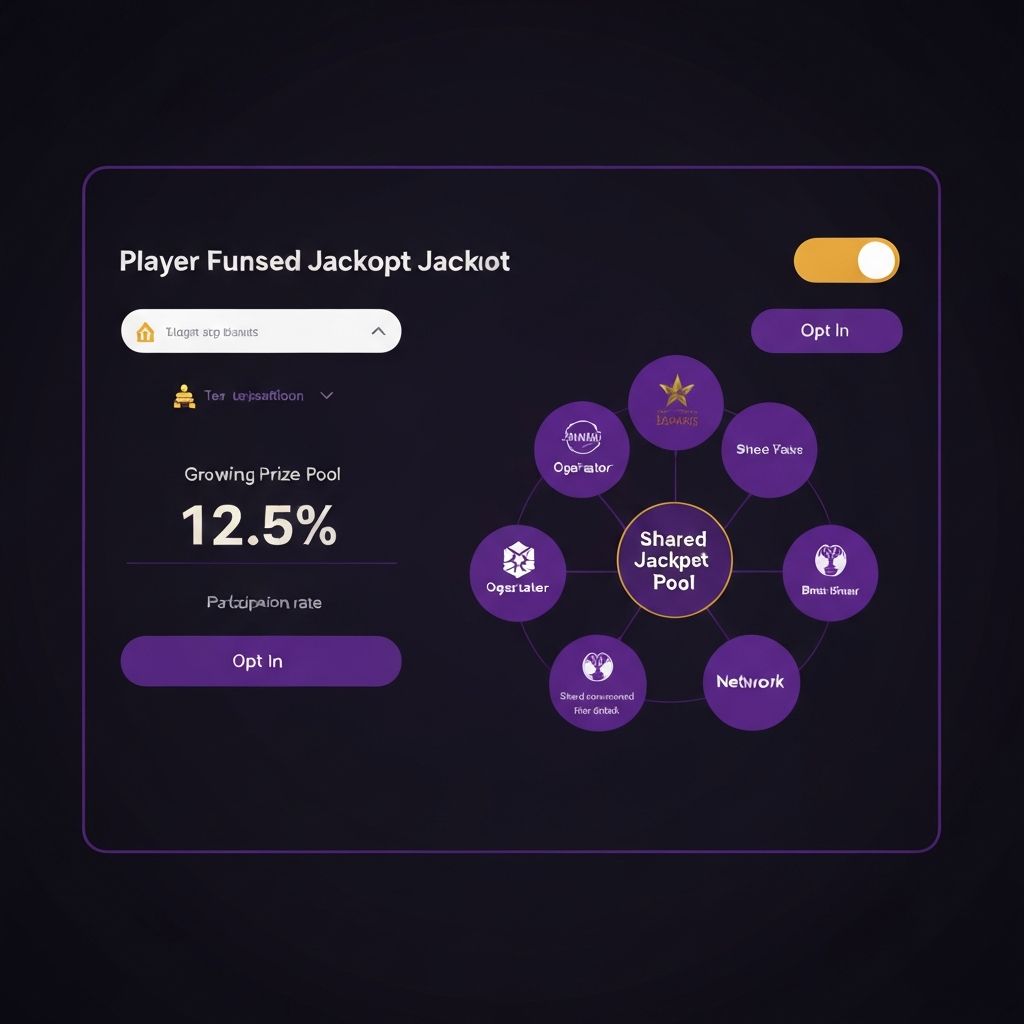
Vegangster and Shared Luck's JackpotX Achieves 25% Player Opt-In Across Five Brands
B2B casino platform provider Vegangster has expanded its deployment of Shared Luck's JackpotX system — a player-funded jackpot product — across five of its operator client brands, with early performance data showing approximately 25% of eligible players actively choosing to participate.
What Happened
The expanded JackpotX deployment was confirmed on April 20, 2026. The system is configured as a persistent, player-funded jackpot: a portion of each participating player's session activity is pooled into a shared prize fund, which grows continuously as more players opt in. Players join through a simple toggle-style opt-in prompt, and participation does not materially interrupt the core gaming experience. The five Vegangster client brands now running JackpotX have collectively achieved approximately 25% average player opt-in, providing the first live multi-brand performance data point for the product since it was introduced in a single-brand pilot in late 2025. Vegangster and Shared Luck have indicated plans to extend the partnership further, with deeper gamification mechanics and additional brand rollouts on the roadmap.
Why It Matters
The 25% opt-in figure matters because it establishes a baseline efficiency metric for player-funded jackpot mechanics in a live production environment. For operators using Vegangster's platform, JackpotX provides an additional revenue-sharing and engagement layer that does not require new game integration or content licensing costs — it operates as an overlay across existing casino content. The growing jackpot pool creates an organic promotional dynamic: as the prize pool increases, visibility increases for non-participating players, potentially driving opt-in rates higher over time without requiring promotional spend.
Industry Context
Player-funded jackpots differ structurally from operator-funded or network jackpots because the prize pool scales with participation and session volume rather than being set by the operator. This makes the product economics attractive for both operator and platform provider: there is no operator balance sheet exposure to a large jackpot payout, and the prize pool authentically reflects player activity levels on the platform.
Source: EEGaming / iGaming Business

Alex Bilyi
Senior Editor
Member of the iGaming Pulse editorial team. Covering industry news, analysis, and B2B developments across the global iGaming sector.