Context
The FIFA World Cup 2026, hosted across North America, represents an unparalleled marketing moment for global sports betting operators. The tournament's expansion to 48 teams and 80 matches creates an extended betting window and unprecedented customer acquisition opportunities. Operators worldwide have already ramped up promotional campaigns and product development to capitalise on this window.
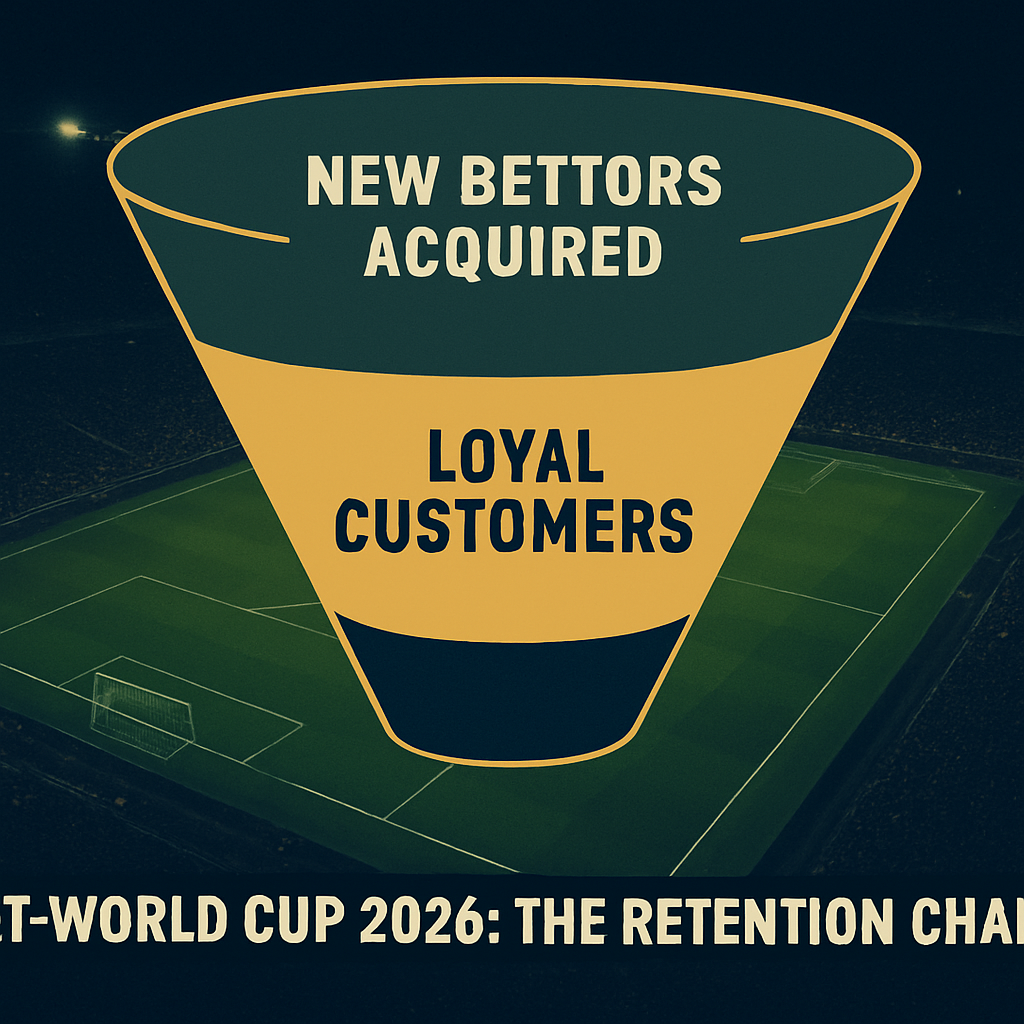
However, historical data from previous World Cups consistently demonstrates a sobering reality: customer acquisition during major tournaments often masks a retention crisis. Once the tournament concludes, newly acquired casual bettors frequently abandon betting platforms, returning only during the next major sporting event. For operators seeking sustainable growth, converting World Cup-acquired players into engaged, year-round customers represents the true challenge.
Sportradar, a leading sports data and betting intelligence provider, has released insights into player retention strategies following major tournaments. Dimi Katsavelis, senior client partner at Sportradar, emphasises that the post-tournament period — often overlooked in marketing strategy — will determine overall World Cup ROI for operators.
What This Means
Operators must shift strategic focus from acquisition metrics (cost per acquisition, sign-up volume) to retention and engagement metrics. The World Cup 2026 will drive significant new customer sign-ups, but operators who treat these players as temporary acquisitions will face high churn and wasted marketing spend. Instead, sophisticated operators are designing layered retention strategies for different customer segments acquired during the tournament.
Critical retention tactics include personalised product offerings, lower-friction deposit experiences, and non-sports betting content (casino, poker, live games) to engage players during non-tournament periods. Operators should also develop specific retention tracks for casual bettors — who require lighter-touch engagement — versus sports enthusiasts who can be migrated toward year-round football, basketball, or tennis betting markets.
Data infrastructure plays a decisive role. Operators who can track World Cup-acquired players' behavioural patterns in real time — session frequency, bet types, deposit amounts — can deploy targeted interventions at the first sign of churn. Sportradar's analytics capabilities position the company well to support operators building these data-driven retention programmes.
What to Watch
Track operator announcements of post-World Cup retention campaigns and product launches targeting casual bettors. Watch for Sportradar's commercial partnerships with major sportsbooks announcing World Cup-specific analytics and retention tooling contracts in Q3 and Q4 2026.
Source: iGaming Business (Dimi Katsavelis, Sportradar). Published 2026-06-26.
Source: iGaming Business

Alex Bilyi
Senior Editor
Member of the iGaming Pulse editorial team. Covering industry news, analysis, and B2B developments across the global iGaming sector.