Context
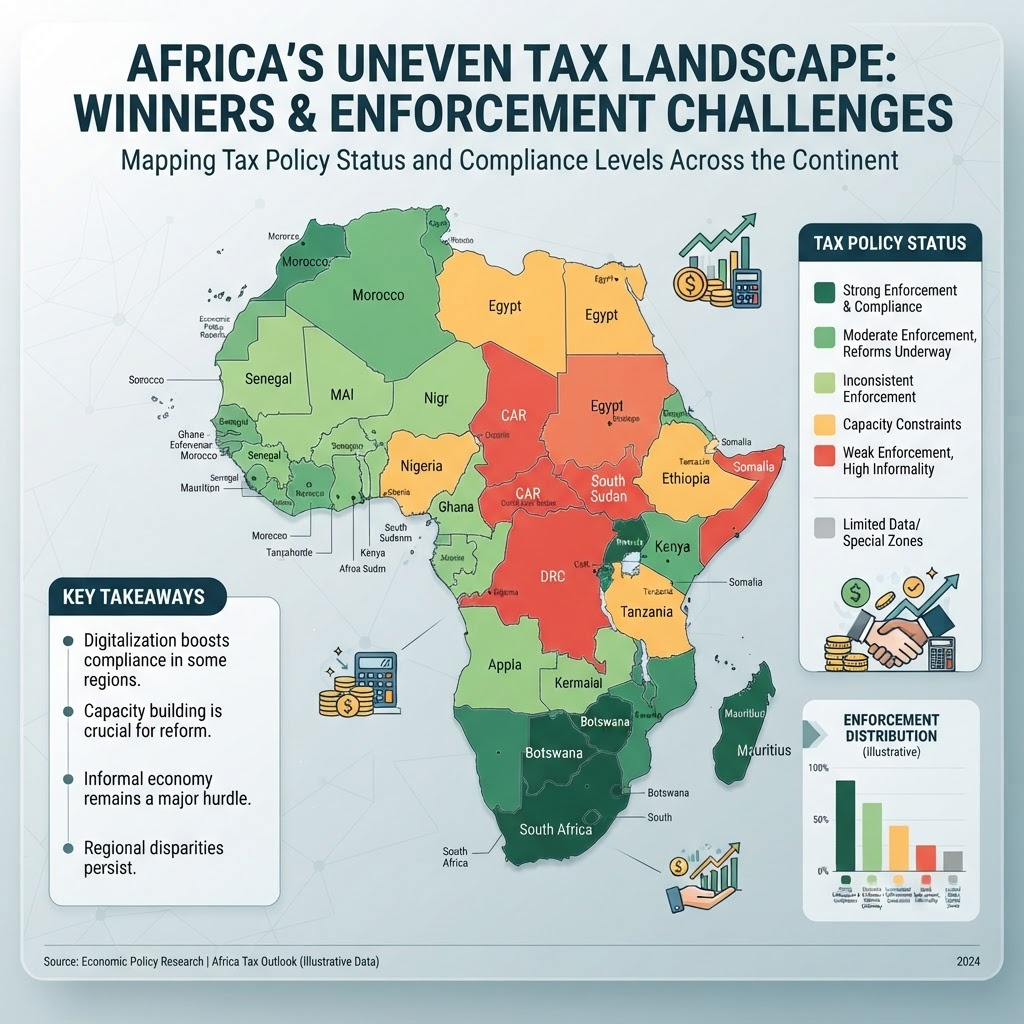
In recent years, African governments pursuing iGaming tax revenue opportunities have implemented or explored taxation on player winnings — a direct revenue extraction mechanism designed to capture gambling sector profits. Countries including South Africa, Kenya, Nigeria, and Ghana have experimented with winners' tax frameworks.
However, implementation has proven substantially more complex than anticipated. Unlike operator licensing fees — which are collected from centralised business entities — winners' taxes require taxation of individual transactions across distributed player networks, creating administrative and compliance challenges.
What This Means
Operators face a complex compliance landscape characterised by inconsistent tax obligations. A player winning in South Africa incurs tax obligations under one regime, while the same player in Nigeria faces different requirements. This necessitates sophisticated backend systems capable of jurisdictional tax calculation, withholding, and remittance — substantial technical investment for multi-market operators.
Rollback in certain markets creates competitive distortions. Where winners' taxes are enforced, legitimate operators must withhold funds and remit to tax authorities, reducing player payout rates and creating unfavourable player experience compared to unregulated competitors operating without tax compliance overhead. This dynamic accelerates player migration toward unlicensed providers, ultimately defeating regulatory objectives.
For service providers, winners' tax complexity creates demand for specialised compliance software, tax advisory services, and regulatory intelligence spanning multiple African jurisdictions.
Source: iGaming Business
Sofia Eriksson
Senior Reporter
Member of the iGaming Pulse editorial team. Covering industry news, analysis, and B2B developments across the global iGaming sector.