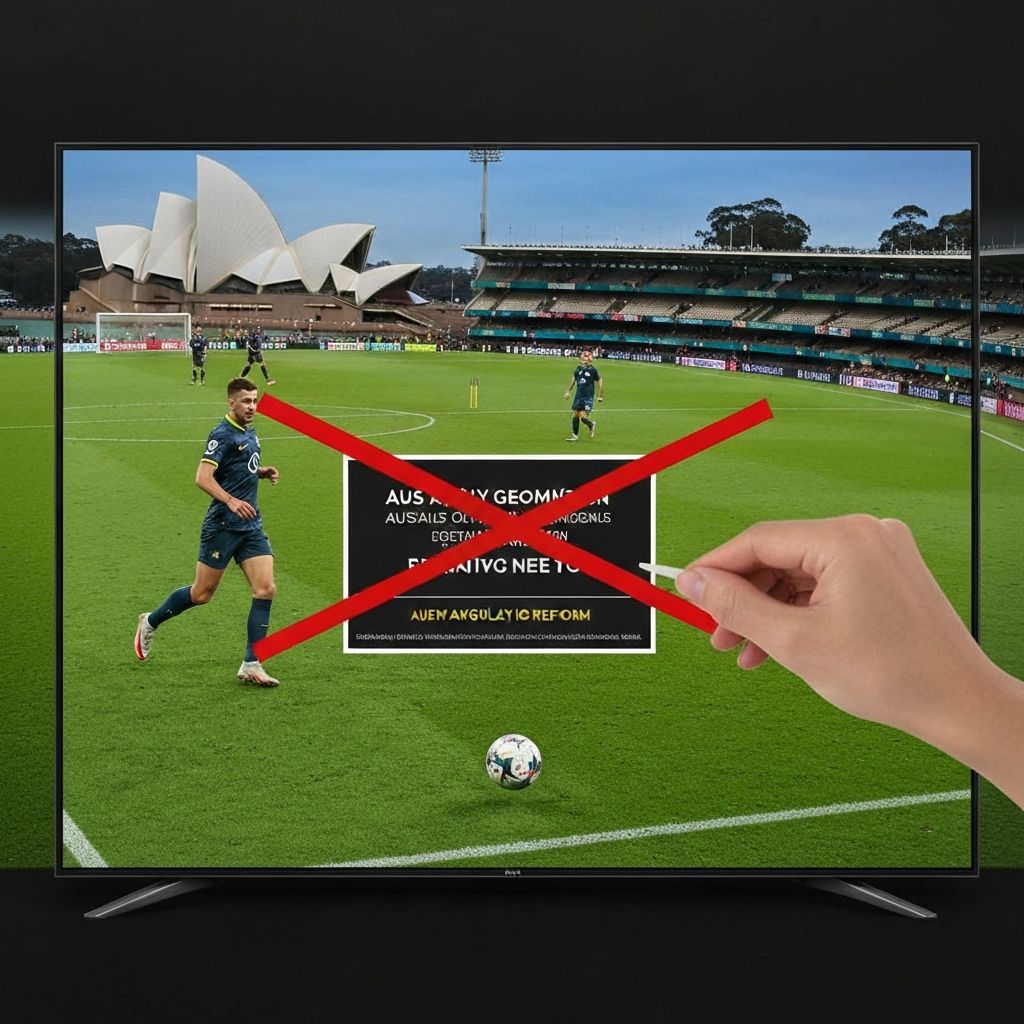
Australia's Gambling Ad Reforms: Significant in Scope, Limited in Impact — and Deliberately So
iGaming Business has assessed the Australian government's gambling advertising reform package, finding that while the measures represent the most substantial advertising restriction in Australian gambling history, their structural limitations were largely deliberate compromises between harm reduction and broadcaster economics.
What Happened
Prime Minister Anthony Albanese's government announced a multi-measure gambling advertising reform package, effective January 1, 2027, that includes: a complete ban on gambling advertising during live sport broadcasts on broadcast television between 6am and 8:30pm; a cap of three gambling ads per hour across all other broadcast slots in that window; bans on radio gambling advertising during school drop-off and pick-up hours (8–9am and 3–4pm); removal of gambling ads from sports venues and player/official uniforms; a ban on celebrities and active sports players appearing in gambling advertisements; and a ban on online keno products. The reforms stop short of the comprehensive advertising prohibition recommended by the Murphy Review. Government analysis estimated the package would reduce gambling expenditure by approximately 0.8% — a figure that drew criticism from campaigners who argued it demonstrated the reforms were primarily designed around broadcaster revenue protection.
Why It Matters
For licensed Australian operators, the reforms are manageable: daytime live sport restrictions reduce one channel of acquisition, but digital and social media channels — which drive the majority of sportsbook customer acquisition — are not covered by broadcast advertising legislation. The bigger operational impact falls on free-to-air networks (Seven, Nine, Ten) and sports organisations (AFL, NRL, Cricket Australia) that have relied on gambling advertising revenue. The reforms also set a trajectory: each legislative iteration since 2018 has tightened advertising restrictions, and a future Labor government is likely to revisit the question of digital gambling advertising.
Industry Context
Australia has some of the highest per-capita gambling losses in the world — approximately AUD $1,300 per adult per year. The government's 0.8% expenditure reduction estimate reflects the structural reality that advertising restrictions alone cannot significantly reshape gambling behaviour when digital acquisition channels remain largely unrestricted.
Source: iGaming Business
Marcus De Luca
Regulation Correspondent
Member of the iGaming Pulse editorial team. Covering industry news, analysis, and B2B developments across the global iGaming sector.