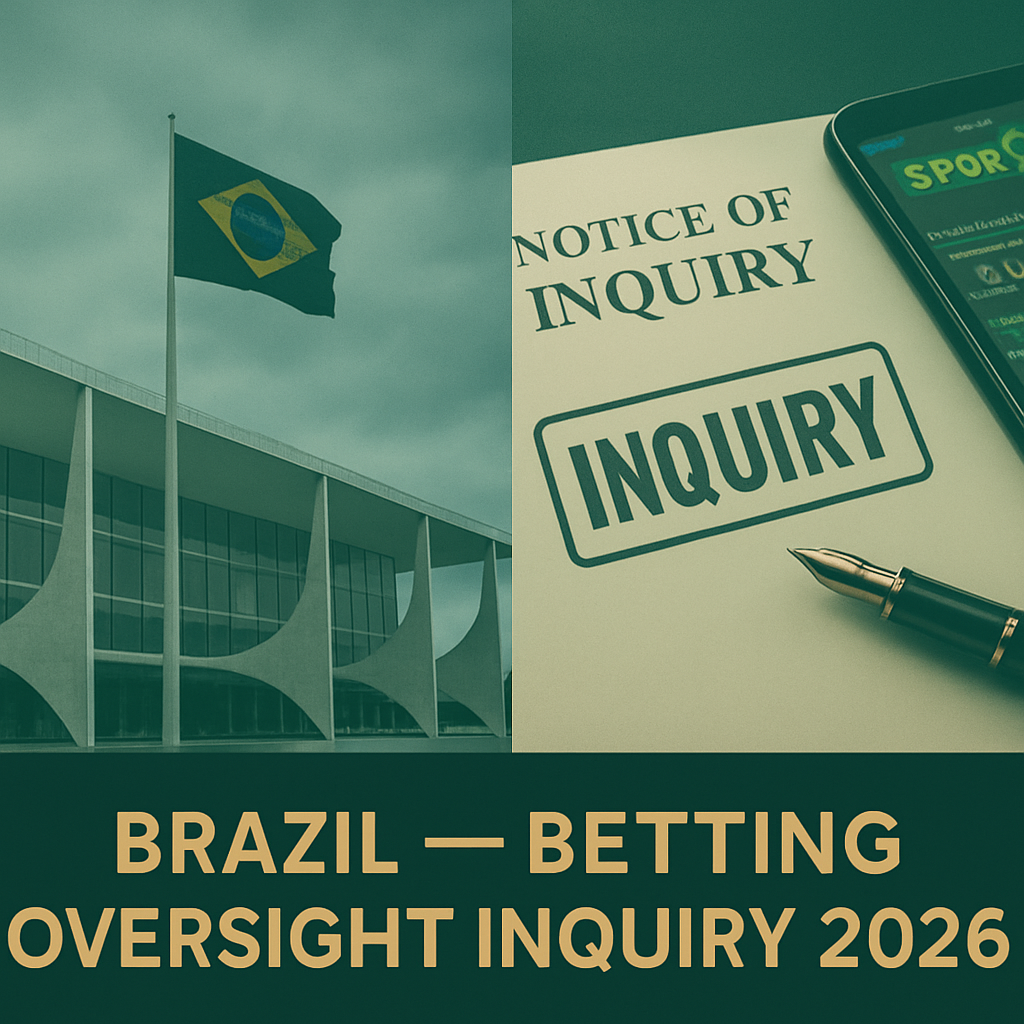
Brazil Prosecutor Investigates Betting Oversight and Public Health Integration
Context
Brazil's Public Prosecutor has opened a formal inquiry into how the Lula administration oversees the betting sector, marking a significant escalation in regulatory scrutiny beyond typical licensing and taxation frameworks. The investigation encompasses not only the government's regulatory mechanisms but also the capacity of Brazil's public health system to treat and prevent pathological gambling.
This move reflects a broader regional trend: Latin American regulators are moving beyond permissive licensing models toward integrated harm-mitigation oversight. As Brazil's sports betting market matures — with multiple licensed operators now active — policymakers face pressure to demonstrate that economic gains do not compromise public health outcomes.
The inquiry's scope suggests the Prosecutor's office questions whether existing oversight structures adequately protect vulnerable populations, particularly significant given Brazil's socioeconomic diversity and high prevalence of problem gambling in lower-income demographics.
What This Means
Operators and vendors must prepare for material regulatory changes. The inquiry's focus on public health system capacity implies potential new requirements for enhanced player risk monitoring, mandatory referral mechanisms linking betting platforms to public health addiction services, and expanded disclosure of responsible gambling metrics.
For operators already licensed in Brazil, compliance costs will likely increase. Vendors supplying risk-management and responsible gaming tools should expect demand acceleration as operators prepare for new requirements. The inquiry adds urgency to compliance technology investments that operators may have been deferring.
The investigation also creates reputational risk for operators perceived as insufficiently proactive on player harm. Early adoption of enhanced responsible gambling infrastructure — before regulatory requirements crystallise — positions compliant operators favourably relative to competitors who wait for mandated deadlines.
What to Watch
Track the Public Prosecutor's findings timeline and whether the inquiry results in formal legislative proposals or regulatory amendments to Brazil's sports betting framework. Any requirements around data-sharing between operators and the public health system would represent a significant new compliance dimension that B2B suppliers should begin preparing solutions for now.
What this means for B2B outreach: Responsible gambling technology vendors, player risk monitoring platforms, and compliance advisory firms have a direct entry point. The Brazilian inquiry creates boardroom-level urgency for operators who have been treating responsible gambling investment as optional differentiation rather than regulatory necessity.
Source: iGamingBusiness. Published 2026-06-03.
Source: iGamingBusiness

Illia Lisovskyy
Senior Editor
Member of the iGaming Pulse editorial team. Covering industry news, analysis, and B2B developments across the global iGaming sector.