South Korea Targets BETEAST Over Massive Illegal Betting Network
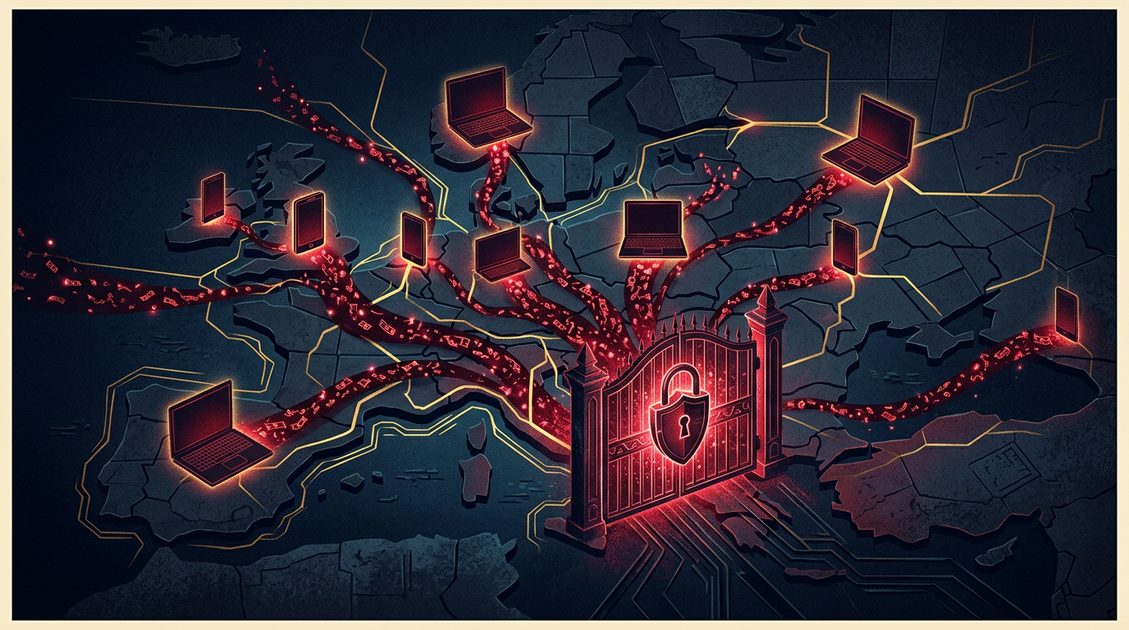
South Korean authorities have identified the BETEAST betting platform as a key player in an alleged illegal betting network valued at approximately KRW3.1 trillion, raising critical questions about how operators maintain legitimate brand presence while facilitating unlicensed gambling across borders.
The investigation reveals a troubling disconnect: BETEAST's portfolio includes mainstream sports sponsorships—most notably a decade-long association with English football club Swansea City—while simultaneously operating underground betting infrastructure serving the South Korean market. The disparity illustrates a persistent challenge for regulators attempting to hold gambling operators accountable across multiple jurisdictions with varying enforcement capabilities.
The Accountability Paradox
BETEAST's case exemplifies what regulators are increasingly calling the "cross-border accountability gap" in Asian betting. While the brand maintained visible legitimacy through established sports partnerships, South Korean investigators allege the platform simultaneously developed sophisticated illegal betting operations targeting local consumers.
The KRW3.1 trillion figure—approximately $2.3 billion USD equivalent—demonstrates the substantial financial scale of illegal networks that cross-border platforms can operate without facing immediate enforcement. South Korean gambling law strictly prohibits unlicensed betting operations, yet the technological infrastructure enabling such activities continues to outpace regulatory response capabilities.
BETEAST's Swansea City sponsorship represents a classic pattern among operators seeking legitimacy: leveraging visible brand association with recognized institutions to build consumer trust while maintaining parallel unlicensed operations in regulated markets. The sponsorship ended years ago, yet the alleged illegal infrastructure persisted.
What This Means for the Industry
The BETEAST investigation signals that South Korean regulators are willing to pursue complex cross-border enforcement cases targeting specific brands and their operational networks. For operators, the case underscores that legitimate sponsorships and brand partnerships do not shield companies from accountability for unlicensed activities discovered in other jurisdictions.
For Asian markets more broadly, the case highlights persistent vulnerabilities. Unlicensed platforms continue finding customers despite strict local regulations, suggesting that legal alternatives in some jurisdictions may not be sufficiently accessible, competitive, or trusted by consumers. The KRW3.1 trillion network size indicates substantial unmet demand within South Korea's regulated market.
Regulators across Asia are increasingly viewing cross-border investigations as essential to combating unlicensed gambling. However, enforcement remains hampered by jurisdictional limitations, difficulty tracing cryptocurrency transactions, and the complex corporate structures operators use to obscure ownership and operational control.
Source: iGaming Business
Marcus De Luca
Regulation Correspondent
Member of the iGaming Pulse editorial team. Covering industry news, analysis, and B2B developments across the global iGaming sector.