Context
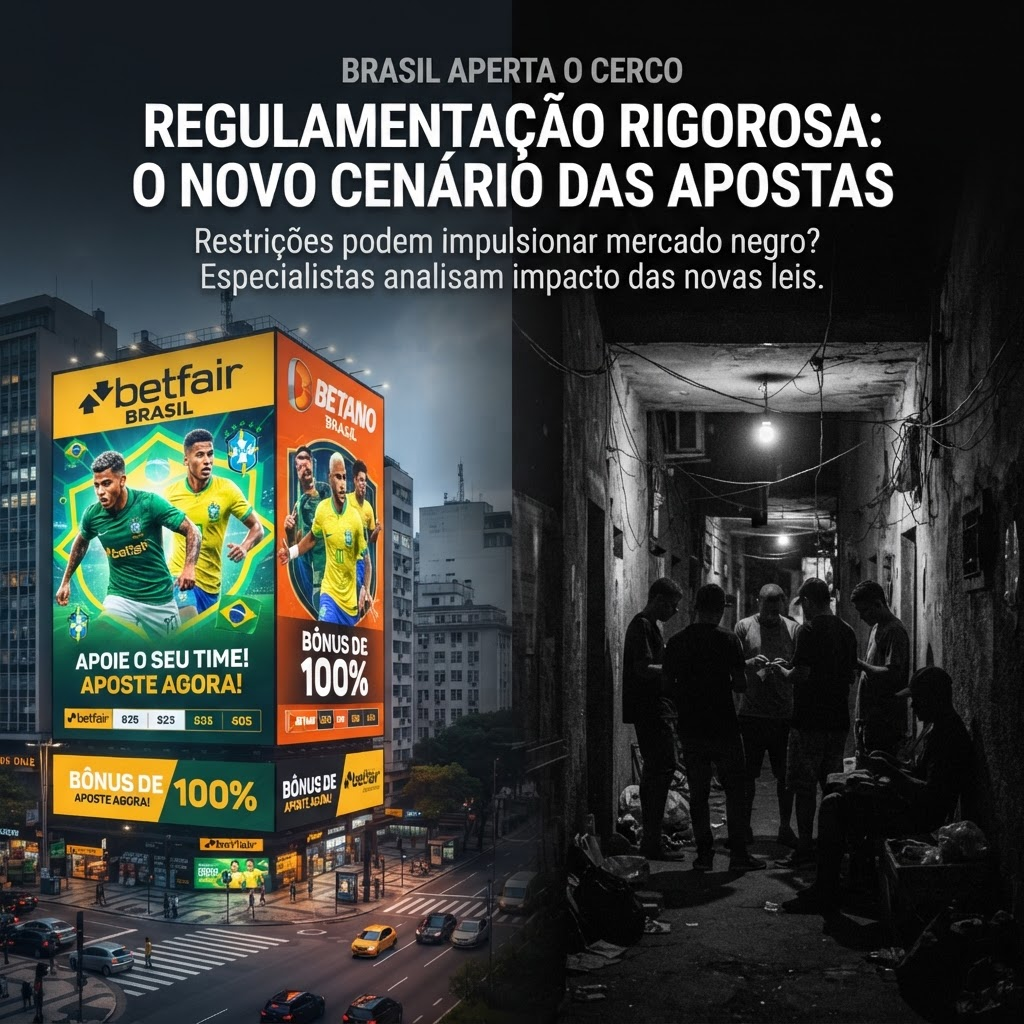
Brazil's Senate Committee on Science and Technology (CCT) has formally approved significant restrictions on gambling advertising and sports betting sponsorships, effective from September 2026. The regulatory framework targets both traditional media placements and emerging digital marketing channels, imposing strict limitations on where, when, and how licensed operators can promote their services to Brazilian consumers.
The approval follows months of debate within Congress regarding the social impact of aggressive betting marketing campaigns. Lawmakers have cited concerns about problem gambling prevalence and the influence of high-visibility sponsorships on vulnerable demographics, particularly younger audiences and low-income communities.
What This Means
Licensed iGaming operators face an unprecedented marketing constraint just as Brazil's regulated market matures post-legalization. The restrictions will directly impact sponsorship deals with major sports franchises, television networks, and digital platforms, revenue channels that have driven operator visibility and customer acquisition since market liberalization.
Industry associations have already warned that operators will struggle to compete with unregulated platforms, which operate beyond the reach of Brazilian advertising laws. This regulatory asymmetry creates a perverse incentive structure where compliance-focused companies incur higher customer acquisition costs while black market operators maintain unrestricted marketing reach.
The restrictions likely affect: - Sports team and event sponsorships - Social media influencer partnerships - Broadcast media placements - Affiliate marketing programs - Promotional betting offers
Operators preparing for B2B iGaming outreach to institutional investors will need to revise their Brazil-focused business models and revenue projections accordingly. Expected customer lifetime values may decline as marketing efficiency deteriorates under the new regulatory regime.
What to Watch
The industry will closely monitor implementation timelines and enforcement mechanisms. Key questions remain unanswered: Will the restrictions apply retroactively to existing sponsorship contracts? How aggressively will regulators pursue compliance violations? Will the government establish exemptions for responsible gaming campaigns?
Operators must prepare contingency strategies focusing on retention over acquisition, leveraging player data analytics and personalized engagement to maximize lifetime value despite constrained marketing channels. Those invested in reaching the right operators with affiliate and marketing solutions should anticipate significant demand for alternative customer acquisition methodologies.
The Brazilian case may also influence regulatory discussions across LatAm, potentially triggering similar advertising restrictions in Mexico, Colombia, and Argentina, jurisdictions where sponsorship spending currently remains unrestricted.
Why It Matters
The advertising restrictions threaten licensed operator revenue streams and brand visibility in Latin America's largest iGaming market, while potentially strengthening the competitive position of unregulated competitors. Operators must now reassess their customer acquisition strategies and marketing budgets across Brazil, a jurisdiction critical to regional growth plans.
Analysis based on: iGaming Business. Published 2026-09-04.
Source: iGaming Business

Alex Bilyi
Senior Editor
Member of the iGaming Pulse editorial team. Covering industry news, analysis, and B2B developments across the global iGaming sector.