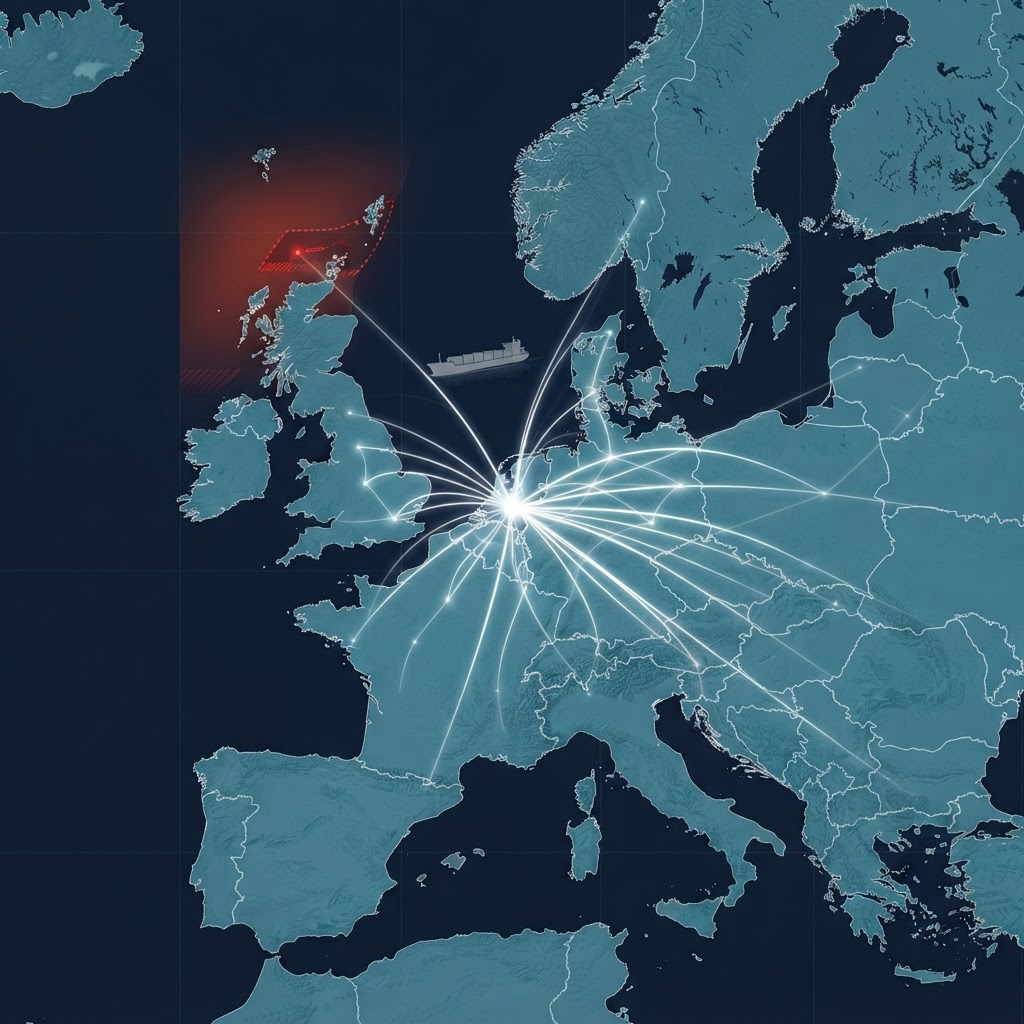
Dutch Regulator Advocates for Unified European Enforcement Strategy
The Dutch Gambling Authority (KSA) has escalated its push for coordinated international action against offshore and unlicensed gambling operators, arguing that fragmented national enforcement efforts are insufficient to address the scale of the black market.
The KSA's call for joint European action reflects a growing frustration among regulators across the continent with the persistent challenge posed by offshore operators. Despite robust licensing frameworks and substantial enforcement budgets in countries like the Netherlands, Belgium, and France, unlicensed platforms continue to attract significant player volume and revenue.
The Cross-Border Challenge
The enforcement challenge is fundamentally structural. Offshore operators exploiting regulatory arbitrage—hosting servers in jurisdictions with minimal oversight—can serve European players with relative impunity. Individual national regulators lack the extraterritorial enforcement authority needed to effectively shut down these operations or intercept their revenue flows.
A coordinated European regulatory approach would theoretically enable:
- Joint intelligence sharing on operator methods, technology infrastructure, and payment processors
- Unified messaging to payment providers and technology companies facilitating unlicensed gambling
- Coordinated enforcement actions against the most egregious operators
- Harmonized player protection standards that eliminate regulatory arbitrage opportunities
Previous European Initiatives
This isn't the first call for European coordination on gambling enforcement. The European Gaming and Betting Association and various national regulators have previously advocated for harmonized approaches. However, implementation has been challenging due to varying national interests, different regulatory philosophies, and the complexity of EU governance structures.
The KSA's latest push suggests frustration is intensifying. As unlicensed gambling continues to capture an estimated 20-30% of European gambling market share in many jurisdictions, licensed operators and regulators alike are experiencing economic impact.
Implications for Operators
A successful European enforcement coordination initiative would significantly benefit licensed operators by reducing competition from unlicensed sites. However, such coordination would also likely trigger more stringent regulatory requirements across the continent, increasing compliance costs for operators but creating more level competitive conditions.
The KSA's advocacy also hints at the limits of single-nation regulation in an increasingly digital gambling market. Operators and technology providers should anticipate that effective regulation increasingly depends on international cooperation frameworks.
Source: Casino.org
Marcus De Luca
Regulation Correspondent
Member of the iGaming Pulse editorial team. Covering industry news, analysis, and B2B developments across the global iGaming sector.