Context
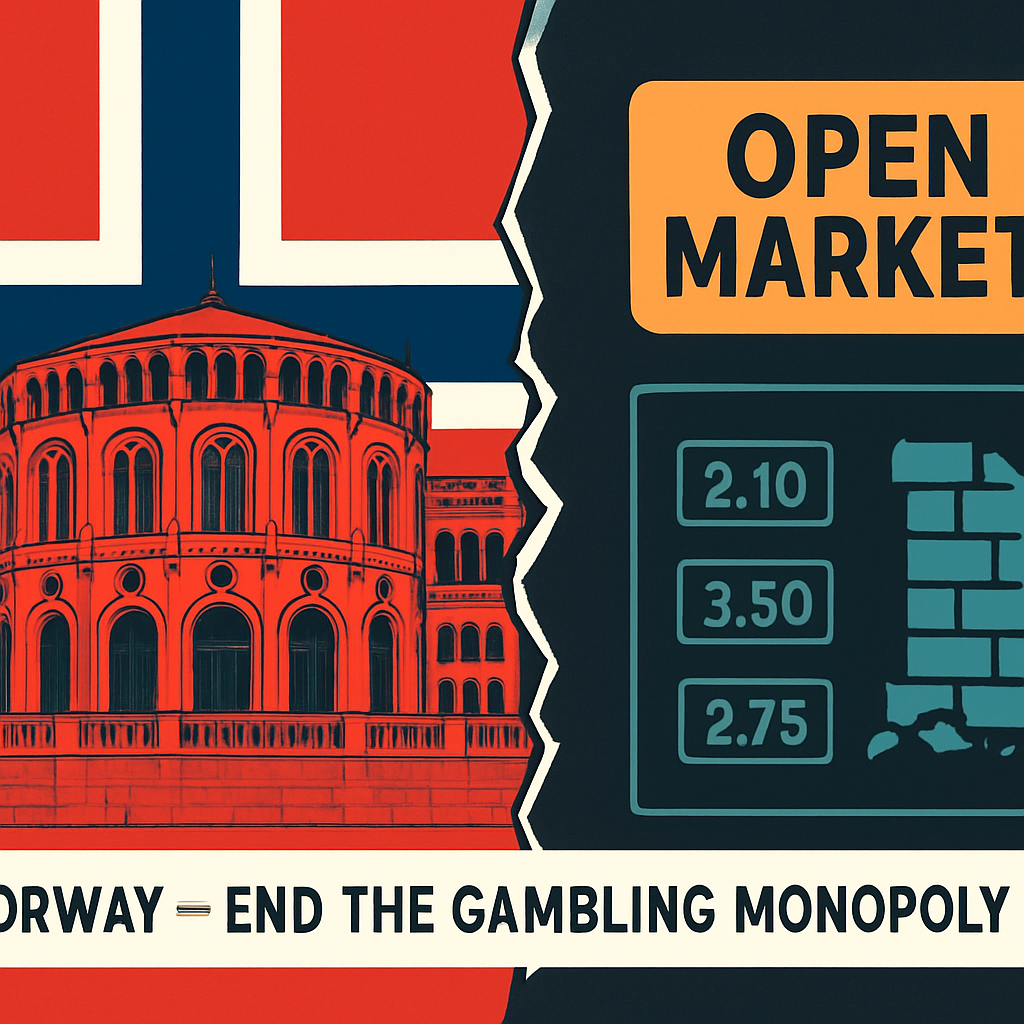
Norway maintains one of Europe's most restrictive gambling regulatory frameworks, with Norsk Tipping holding a protected monopoly on lottery, sports betting, and gaming operations. The state-owned operator's exclusive rights have long restricted international operators from entering the Norwegian market, despite strong consumer demand and significant tax revenue potential.
Himanshu Gulati of the Progress Party reaffirmed his party's legislative agenda to fundamentally reshape Norway's gambling landscape. The Progress Party has positioned itself as the leading political force advocating for market liberalisation, arguing that a licensed competitive model would better serve consumers and generate increased tax revenue for the state.
What This Means
The Progress Party's renewed commitment signals that gambling monopoly reform remains a live political issue in Norway, despite the current government's cautious approach. If the party gains electoral strength or enters a coalition government, regulatory liberalisation could move from proposal to implementation within 12-24 months.
For operators seeking Scandinavian market expansion, this development represents a potential gateway. A licensed Norwegian market would require operators to develop local compliance frameworks, establish payment infrastructure compatible with Norwegian banking systems, and create culturally relevant marketing strategies.
The transition from monopoly to licensed model would also require detailed regulatory guidance on operator licensing criteria, responsible gambling measures, tax obligations, and consumer protection standards. Companies currently excluded from Norway would need to monitor regulatory consultations and draft licensing applications as frameworks emerge.
Norway's existing strong consumer preferences for regulated Swedish and Danish-licensed products suggest the demand for competitive iGaming offerings is already proven — the monopoly restriction has not suppressed demand, it has redirected it to grey-market channels, reinforcing the Progress Party's argument that liberalisation would increase both consumer protection and tax revenue.
What to Watch
Track Norway's electoral cycle and coalition dynamics closely. The Progress Party's performance in upcoming national elections and its coalition positioning will be the primary drivers of whether gambling monopoly reform becomes viable legislation in 2026-2027. Early polling data and coalition negotiation signals will be meaningful leading indicators.
What this means for B2B outreach: The Norwegian market liberalisation narrative creates a pipeline of preparation conversations. Operators monitoring Scandinavian expansion should be building regulatory readiness now — compliance frameworks, local payment partnerships, and Norwegian-language product localisation are long-lead capabilities that cannot be built quickly if liberalisation accelerates.
Source: iGamingBusiness. Published 2026-06-12.
Source: iGamingBusiness

Illia Lisovskyy
Senior Editor
Member of the iGaming Pulse editorial team. Covering industry news, analysis, and B2B developments across the global iGaming sector.