Affiliate marketing remains the primary customer acquisition channel for online betting operators across North America. When prediction markets began entering the betting ecosystem, many established sportsbook operators viewed them as niche competitors unlikely to meaningfully impact affiliate traffic allocation.
That assessment has proven premature.
Affiliate Networks Shift Resource Allocation
Affiliate networks operate as demand aggregators—they bundle promotional inventory (email lists, web traffic, content assets) and sell access to the highest-bidding operators. Traditionally, this meant sportsbooks competed primarily against each other for affiliate resources.
Prediction market operators have disrupted this dynamic by offering competitive or superior commission structures to affiliate partners. Well-funded prediction market platforms can afford to match or exceed sportsbook affiliate payouts, creating a genuine competitive channel for promotional capacity.
Multiple affiliate networks and marketing consultants confirm that prediction market operators are actively recruiting affiliate partners and negotiating resource commitments that would have otherwise gone to traditional sportsbooks.
Commission Structure Dynamics
Affiliate commission structures in online betting typically range from 20-40% of net player revenue (NPR), depending on operator profitability and competitive intensity. As prediction market operators enter the market, they're deploying capital aggressively to secure affiliate partnerships.
In some cases, prediction market operators are offering higher commission rates or guaranteed minimum payouts to lock in exclusive or semi-exclusive promotional arrangements. Affiliate partners, rationally seeking to maximize return on their traffic-driving investments, are increasingly allocating resources to prediction markets.
Sportsbook Margin Compression
The impact on sportsbooks is straightforward: if 30% of available affiliate traffic is diverted to prediction markets (rather than sportsbooks), effective customer acquisition cost (CAC) increases by approximately 43% ($1.43 to acquire the same customer for sportsbooks, versus $1.00 before the affiliate disruption).
This margin compression affects sportsbook profitability immediately, even if prediction market adoption remains limited. It's an indirect competitive effect that operates through distribution channels rather than direct consumer market share capture.
Strategic Responses Emerging
Some sportsbook operators are responding by:
1. Increasing affiliate commissions to retain loyalty and promotional capacity 2. Launching internal prediction market offerings to compete directly 3. Acquiring prediction market platforms to internalize the product vertical 4. Diversifying customer acquisition channels away from affiliate dependence
The response patterns suggest that sportsbook operators recognize the structural cost inflation as real and material, not transitory.
What Affiliates Should Expect
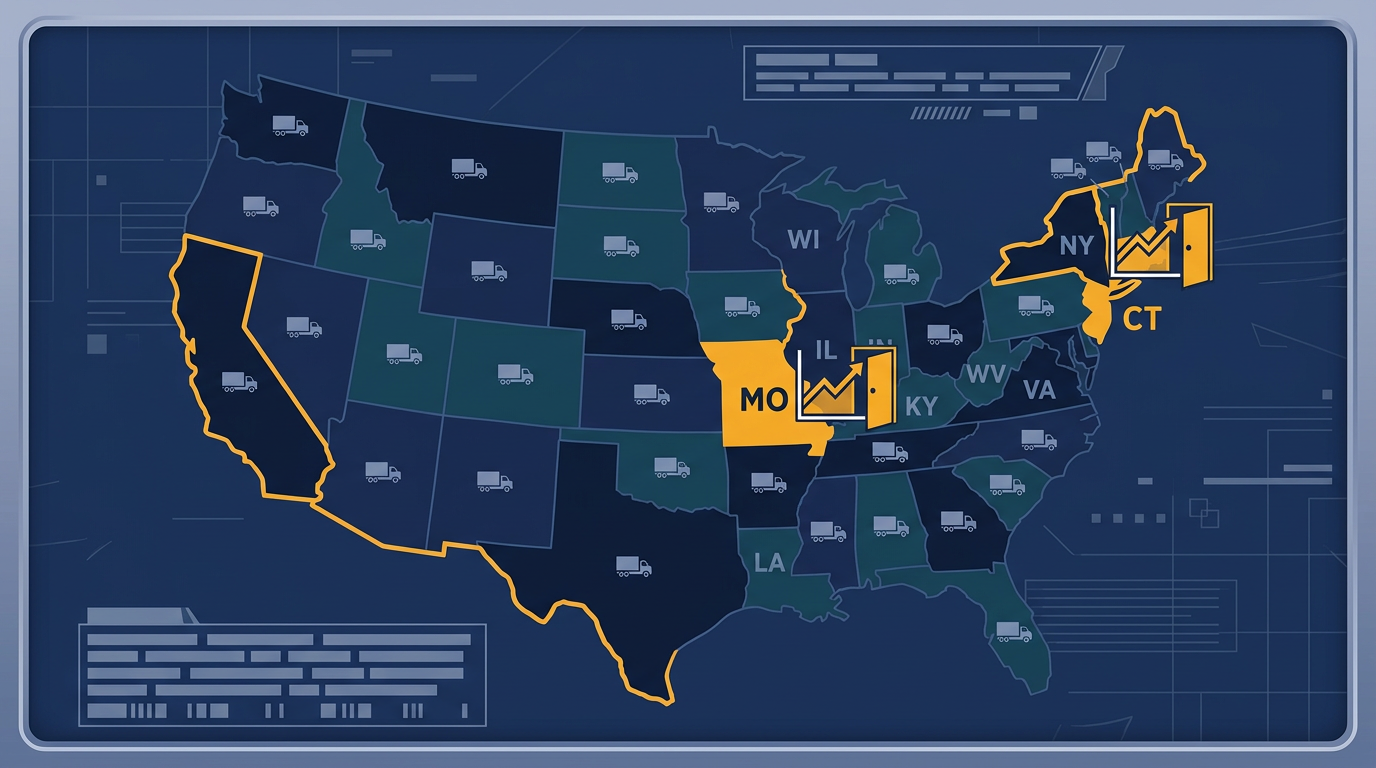
Affiliate networks should expect sustained competition for promotional resources between sportsbooks and prediction markets. Commission rates may remain elevated, benefiting affiliate partners in the near term. However, if prediction market regulatory crackdowns accelerate (as in Connecticut and Missouri), affiliate interest in prediction market operators may decline, potentially reducing overall commission demand.
The current affiliate moment belongs to prediction markets, but regulatory clarity—in either direction—could shift the landscape materially.
Source: Casino.org
Anton Voronov
B2B Analyst
Member of the iGaming Pulse editorial team. Covering industry news, analysis, and B2B developments across the global iGaming sector.