A New Competitor for Marketing Dollars
Prediction markets have emerged as an unexpected but meaningful competitive force against established online sportsbooks, not through direct market share capture but through the more insidious channel of affiliate and marketing resource diversion.
Multiple affiliate networks and marketing sources confirm that prediction market operators have begun capturing a growing share of digital marketing budget and affiliate promotion within states where online sports betting is already legal. This represents a novel competitive dynamic: prediction markets aren't just competing for consumer engagement—they're competing for the distribution channels and marketing infrastructure that sportsbooks have long relied upon.
The Affiliate Arbitrage Problem
Affiliate partners and marketing agencies naturally allocate promotional resources toward the highest-payoff opportunities. Prediction market operators, often backed by well-capitalized venture investors, have begun offering competitive or superior affiliate commissions and promotional incentives compared to established sportsbooks.
This creates a resource allocation problem for sportsbook operators. As affiliate networks distribute their traffic-driving efforts across both prediction markets and sportsbooks, sportsbooks experience effective customer acquisition cost (CAC) inflation. The same affiliate network that once dedicated 100% of promotional capacity to sportsbooks may now split resources 80/20 or 70/30 between sportsbooks and prediction markets.
Market Share—Not Yet, But Trending
Crucially, prediction markets have not yet captured substantial overall betting market share in the United States. They remain niche products relative to traditional sports betting. However, the traffic and affiliate dynamics suggest that prediction markets are building user bases and engagement patterns that could translate to larger market share over time.
The early-stage marketing competition is real and quantifiable even if prediction market penetration of the broader betting market remains limited.
Strategic Implications for Sportsbooks
Sportsbook operators face a multi-vector competitive squeeze:
1. CAC Inflation: Affiliate-driven customer acquisition is becoming more expensive as prediction market operators enter the market and bid up affiliate commissions 2. Affiliate Fragmentation: Distribution partners that previously committed full promotional capacity to a single sportsbook now split resources 3. Consumer Wallet Share: Users who allocate betting budget to prediction markets have less disposable gaming spend for traditional sportsbooks
What Happens Next
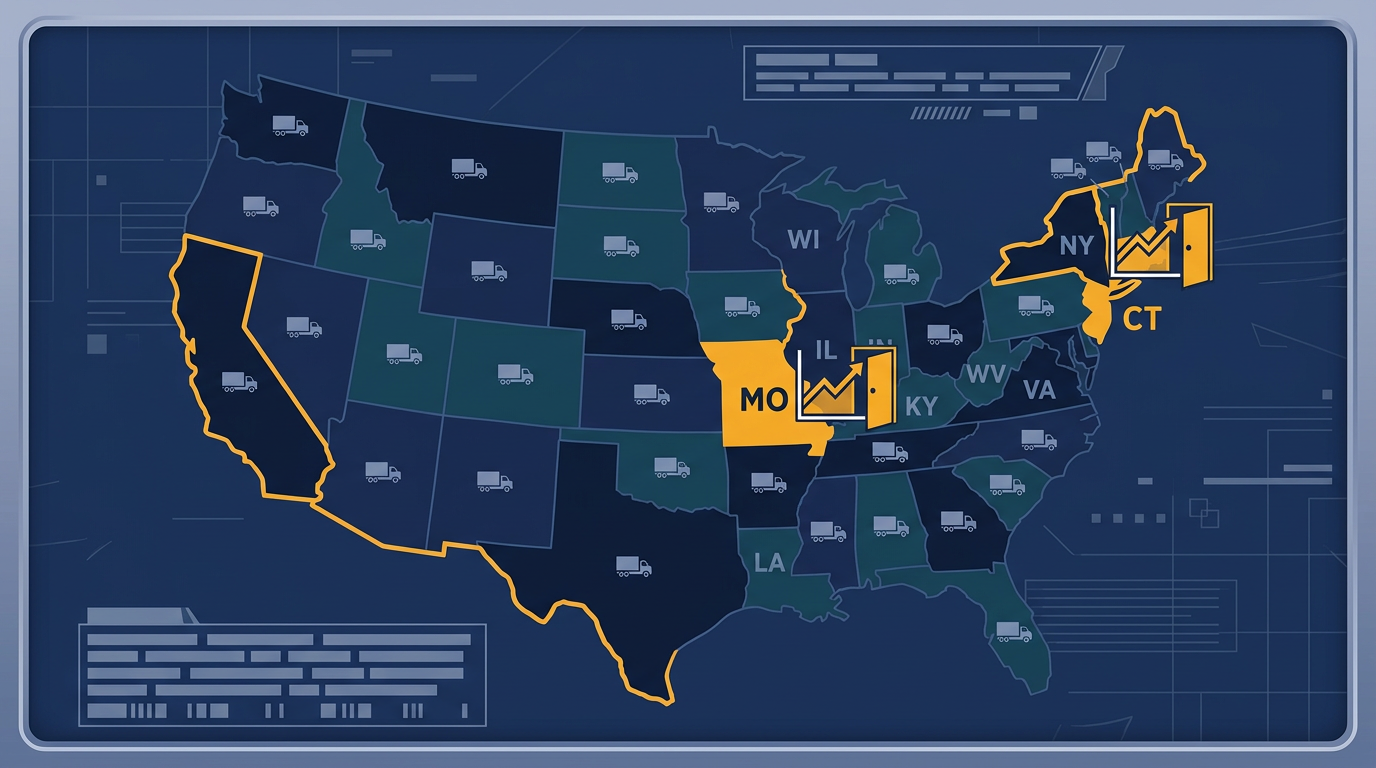
The trajectory depends largely on regulatory clarity. If prediction markets face state-by-state regulatory crackdowns (as seen in Connecticut and Missouri), affiliate and marketing interest may recede. If regulatory frameworks stabilize and prediction market adoption accelerates, sportsbooks should expect sustained CAC pressure and affiliate margin compression.
Sportsbook operators are beginning to respond with their own prediction market entries or partnerships, suggesting they recognize the competitive threat even if public market share figures remain modest.
Source: Casino.org
Sofia Eriksson
Senior Reporter
Member of the iGaming Pulse editorial team. Covering industry news, analysis, and B2B developments across the global iGaming sector.