Dutch Regulator Enforces Player Protection Standards
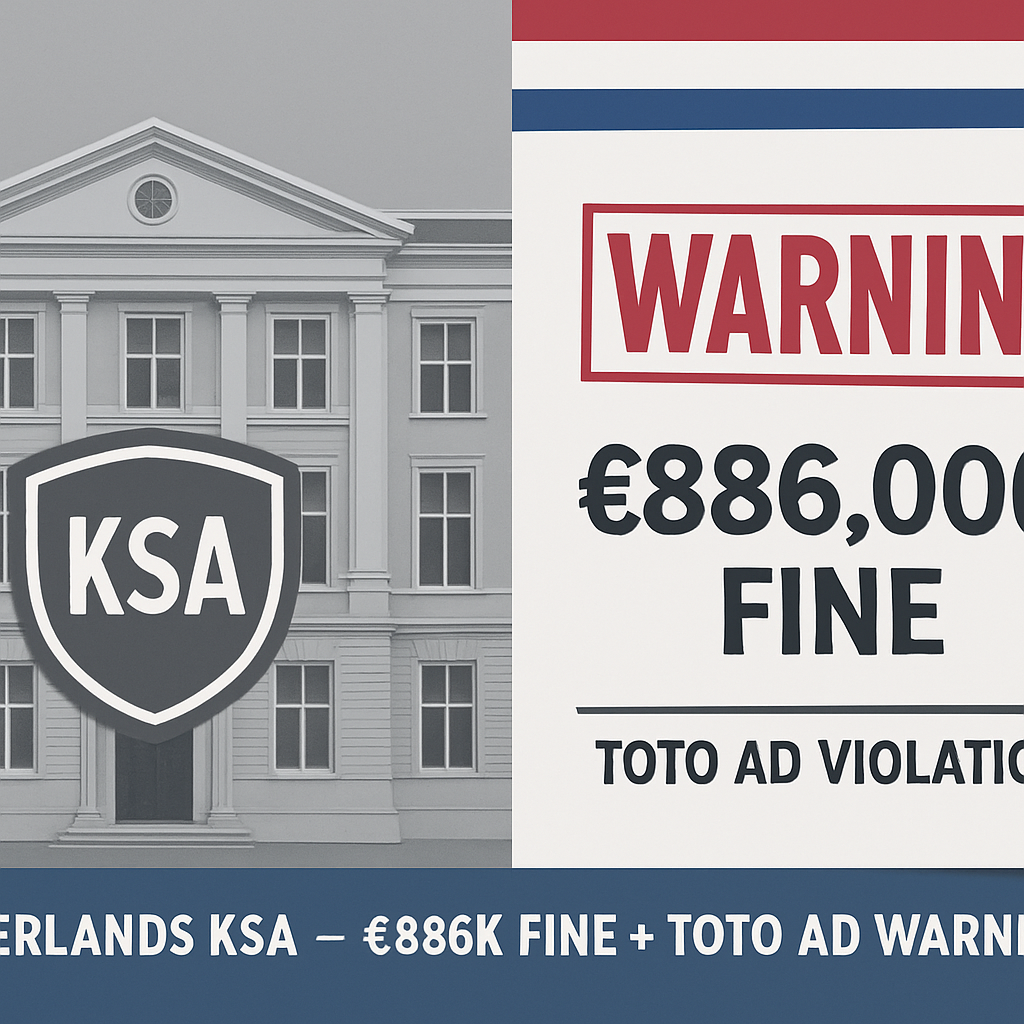
The Dutch gambling regulator KSA (Kansspelautoriteit) has imposed a significant €886,000 fine on 711 B.V. for failing to fulfil duty of care obligations toward players. The enforcement action demonstrates KSA's commitment to player protection standards and establishes clear financial penalties for operators with insufficient protective measures.
In a parallel action, KSA issued a formal warning to TOTO — the online gambling platform owned by Nederlandse Loterij — for violating advertising regulations prohibiting the use of role models in gambling promotions. The dual enforcement actions provide explicit guidance on the two compliance dimensions KSA is currently scrutinising most closely: player protection and marketing conduct.
Context
The Dutch gambling market operates under KSA oversight, with operators required to implement comprehensive duty of care protections including player identification, responsible gambling tooling, and identification of problem gambling indicators. KSA actively monitors compliance and pursues enforcement against operators deemed deficient.
711 B.V. represents a mid-tier Dutch operator. The duty of care fine suggests specific compliance gaps — potentially inadequate self-exclusion system implementation, insufficient player contact for risk identification, or failure to detect and intervene with at-risk players within required timeframes.
TOTO's advertising violation reflects KSA's strict interpretation of marketing regulations. Dutch law prohibits using celebrity endorsers or aspirational figures in gambling marketing, limiting promotional messages to factual product information and responsible gambling content. Nederlandse Loterij is a state-owned entity, making the warning particularly notable — regulatory enforcement applies equally to state and private operators.
What This Means
The €886,000 fine establishes that duty of care failures carry substantial financial penalties. Other Dutch licensed operators must ensure their player risk identification, intervention, and self-exclusion systems operate within defined parameters — and maintain evidence to demonstrate compliance if challenged.
The TOTO warning signals that KSA is actively monitoring advertising content for role model violations. This connects directly to the broader Dutch five-year gambling harm reduction strategy featuring near-total advertising bans — KSA enforcement is accelerating in anticipation of the tighter regulatory framework.
For operators across Europe, the combination of a duty of care fine and an advertising warning in the same enforcement cycle signals that Dutch regulators are operating on a broad compliance mandate. Advertising compliance and player protection obligations are being enforced simultaneously rather than sequentially.
What to Watch
Monitor whether 711 B.V. appeals the fine and, if so, the court's assessment of KSA's evidentiary basis — particularly given the recent Swedish precedent of courts overturning fines where operator compliance documentation was adequate. A successful appeal would further define the evidentiary standard for Dutch duty of care enforcement.
What this means for B2B outreach: Player protection and duty of care compliance technology vendors have a direct and financially-validated pitch for Dutch licensed operators following the €886K fine. The penalty quantifies the financial risk of compliance gaps — making the ROI conversation straightforward for vendors offering automated risk detection, player intervention workflow tools, and compliance audit trail capabilities.
Source: iGamingBusiness. Published 2026-06-16.
Source: iGamingBusiness

Alex Bilyi
Senior Editor
Member of the iGaming Pulse editorial team. Covering industry news, analysis, and B2B developments across the global iGaming sector.