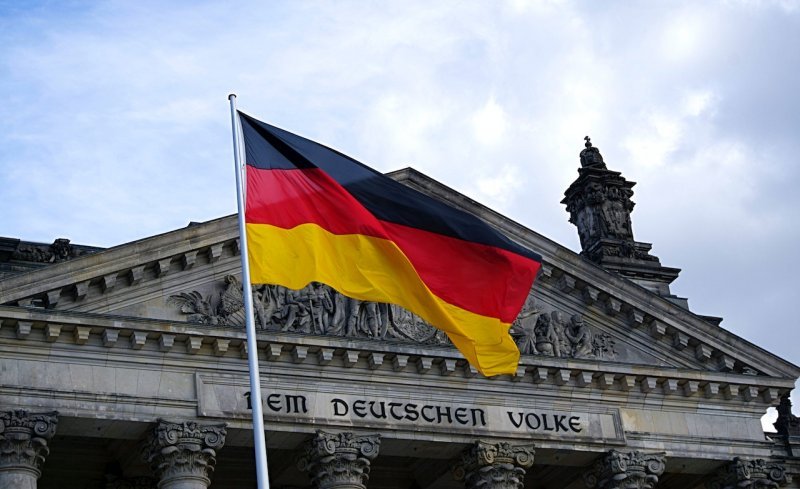
Germany Remains Important. But It Is Not Winning.
Germany remains one of the most important iGaming markets in Europe. A large population. A strong economy. A regulated environment. Significant long-term potential.
Yet there is a growing challenge that the industry can no longer ignore.
The regulated market is not winning simply because it is regulated.
That was one of the key takeaways from my recent conversation with Simon Priglinger-Simader, President of the Austrian Betting and Gaming Association, Vice President of DOCV and Senior Regulatory Affairs Manager at Entain.
Austria May Be Opening the Door
Austria is currently approaching a potentially historic regulatory shift. According to Simon, the Ministry of Finance has already prepared a draft reform that, for the first time, includes the possibility of multiple online gambling licences rather than the current monopoly structure.
If the reform moves forward, Austria could become one of the most interesting opportunities for German-speaking operators over the next few years.
However, there is also a concern. Many industry participants worry that Austria could repeat some of the same mistakes that have limited the competitiveness of the regulated market in Germany.
The challenge is not simply creating a legal framework. The challenge is creating a framework that can actually compete.
Germany Shows What Happens When Regulation Outpaces Competitiveness
Germany's Interstate Treaty was designed to create a safer and more controlled market. In practice, operators have spent the last several years adapting to strict product limitations, technical requirements, and compliance obligations.
While the market remains attractive because of its size, there is limited optimism that the legal market will experience significant growth over the next few years without meaningful regulatory improvements.
For operators focused exclusively on Germany, this creates a difficult reality. The market is large. But growth is not guaranteed.
The Black Market Is Winning for an Uncomfortable Reason
One of the most interesting points raised during the conversation was that the black market is not necessarily winning because players prefer illegal operators. It is winning because many players prefer the product.
That distinction matters.
If illegal operators offered poor experiences, failed to pay customers, or delivered inferior products, the problem would largely solve itself. Instead, many unlicensed operators offer products that players perceive as more attractive: fewer restrictions, higher entertainment value, more flexibility, better overall user experience.
As a result, the challenge facing regulated markets is not simply enforcement. It is competitiveness.
Product Restrictions Remain a Major Issue
According to Simon, product limitations remain one of the biggest obstacles for licensed operators in Germany. Stake limits, spin duration requirements, taxation structures, and lower RTP levels have made certain regulated products significantly less attractive compared to their offshore alternatives.
The demand itself has not disappeared. Players have not stopped gambling. In many cases, demand has simply migrated elsewhere. That is an important distinction for regulators and industry stakeholders alike.
AI May Matter Most in Enforcement
Most conversations around AI in gaming focus on personalisation, CRM, retention, and marketing automation. Simon highlighted a different opportunity.
AI could play a significant role in identifying illegal operators and improving enforcement capabilities. If regulators and licensed operators can more effectively reduce black market activity, the impact on the regulated sector could be greater than many traditional growth initiatives.
In that sense, AI may become not only a growth tool, but also a market protection tool.
Looking Beyond Germany
Another interesting theme from the discussion was market expansion. Germany remains an important market, but many operators, suppliers, and service providers are increasingly evaluating opportunities beyond their domestic borders.
Austria may soon become one of those opportunities. If the proposed reforms move forward, the country could offer a new regulated growth market for German-speaking operators looking to diversify their expansion strategies.
For many companies, the question is no longer only how to enter Germany. It is how to continue growing beyond Germany.
Final Thoughts
The future of regulated iGaming in DACH will not be determined by licensing alone. It will be determined by whether regulators can create environments where licensed operators are both compliant and competitive.
Because players do not choose regulation. They choose products.
And if regulated markets want to win, they must become the option players genuinely want to choose.
This article is part of an ongoing interview series exploring the future of regulation, market access, and growth opportunities across the European iGaming ecosystem.
Source: iGaming Pulse

Alex Bilyi
Senior Editor
Member of the iGaming Pulse editorial team. Covering industry news, analysis, and B2B developments across the global iGaming sector.