Context
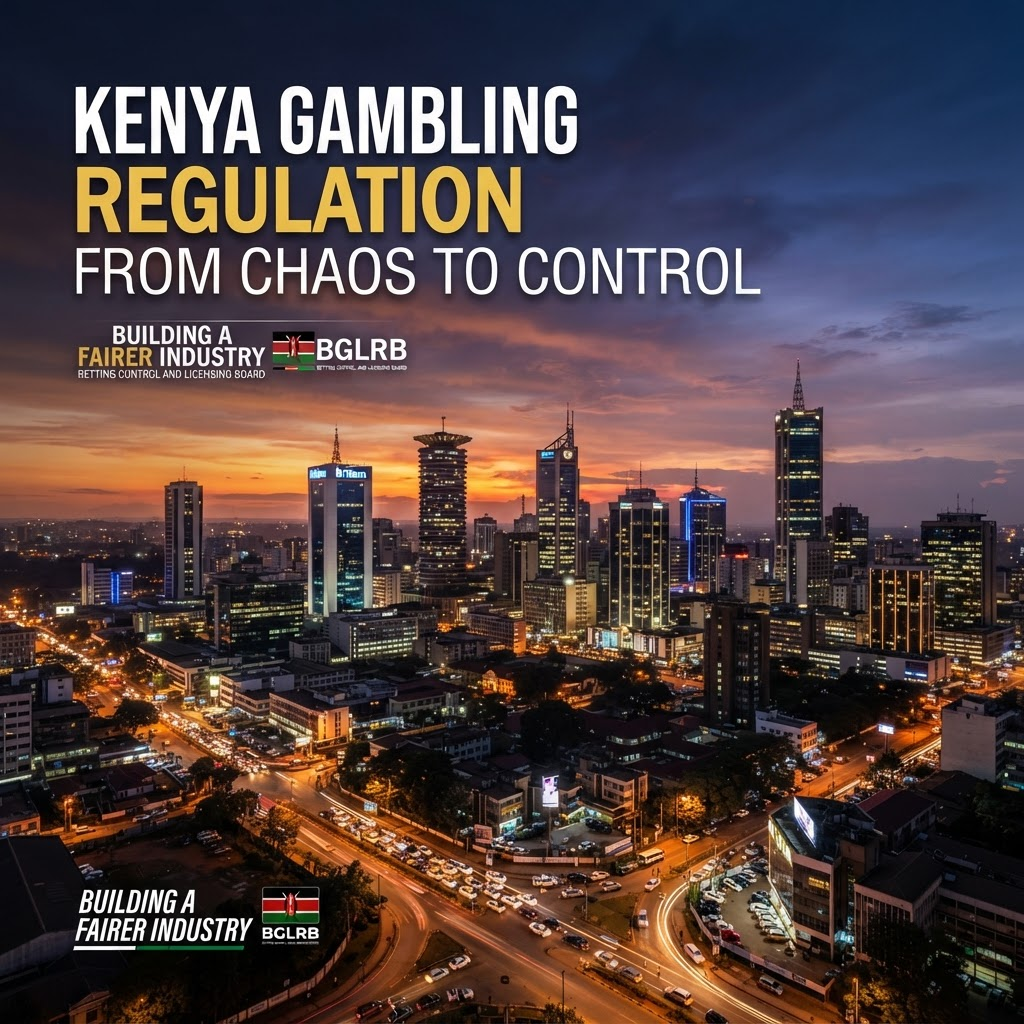
Kenya's gambling sector has historically operated in regulatory limbo, characterised by a patchwork of informal operations, offshore providers, and minimal consumer protections. This regulatory vacuum created operational risks for legitimate businesses while enabling unlicensed operators and predatory services to flourish unchecked.
The newly implemented Gambling Control Act marks a watershed moment for Kenya's iGaming industry. Developed through consultation with operators, consumer advocates, and government agencies, the legislation establishes clear licensing pathways, consumer protection standards, tax frameworks, and enforcement mechanisms — creating the institutional architecture for a mature regulated market.
What This Means
For international operators, Kenya's new framework eliminates the compliance ambiguity that previously deterred formal market entry. Companies can now pursue licensed operation through established procedures, obtain regulatory certainty, and benefit from clear competitive rules that prevent unlicensed operators from undercutting compliant businesses.
The regulatory clarity also creates opportunities for B2B service providers specialising in market entry facilitation, compliance consulting, platform localisation, and payment processing solutions tailored to Kenyan regulatory requirements. Regional operators already established in South Africa, Nigeria, or East Africa now have a defined expansion pathway into a new 60+ million person market.
What to Watch
The Kenyan regulatory timeline for processing new licence applications in Q3-Q4 2026 will be critical for operators planning market entry. Early movers who secure licences ahead of the market's growth phase are likely to establish durable competitive advantages.
Source: iGaming Business

Illia Lisovskyy
Senior Editor
Member of the iGaming Pulse editorial team. Covering industry news, analysis, and B2B developments across the global iGaming sector.