UKGC's Affordability Clock Is Running — UK Operators Have Until September to Comply
The UK Gambling Commission has moved its landmark affordability framework from voluntary pilot to mandatory implementation, setting a Q3 2026 compliance deadline that every UK-licensed remote gambling operator must meet or face licence review.
What Happened
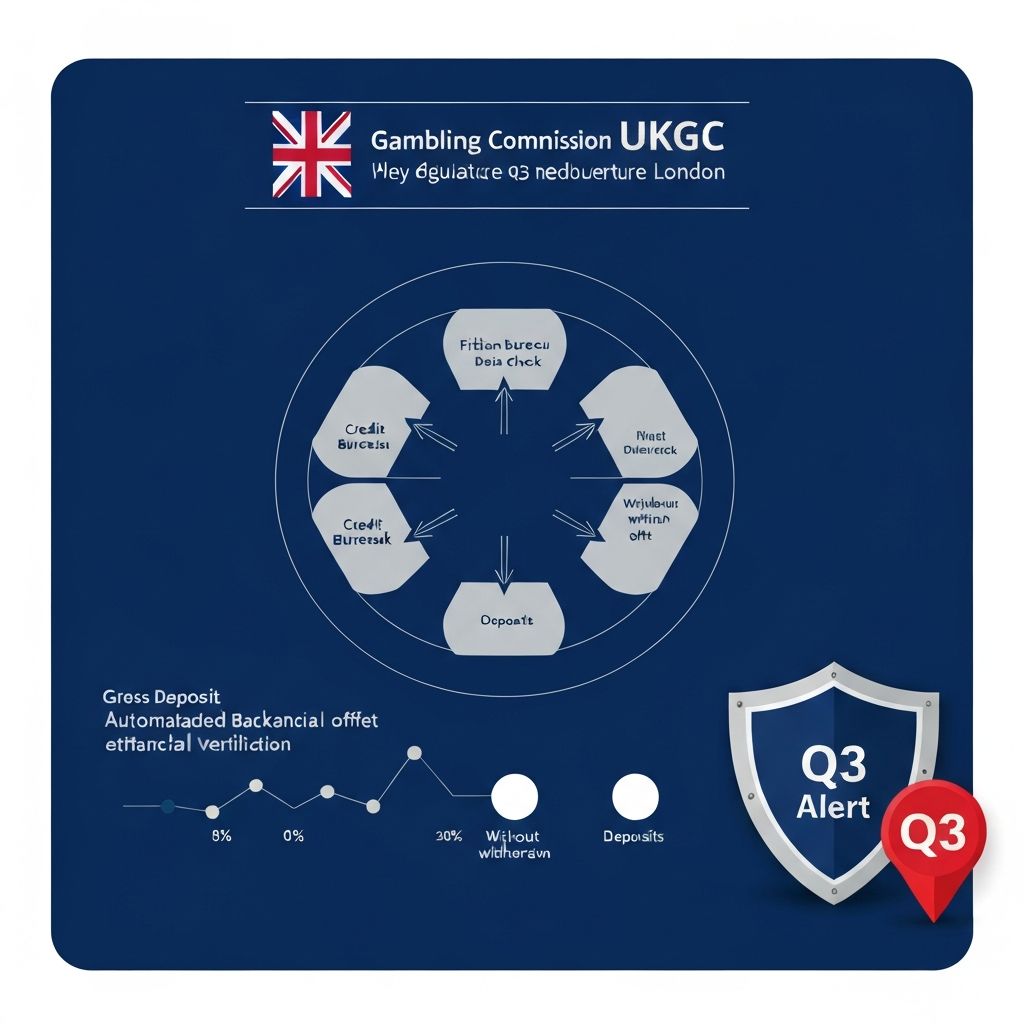
The UKGC confirmed in May that Stage 1 of its two-stage affordability framework — "frictionless" financial vulnerability checks using credit reference data — must be fully live at every licensed remote gambling operation by end of September 2026. The frictionless model uses background credit bureau data to assess financial vulnerability without requiring players to proactively submit documents; checks are triggered when players reach defined deposit thresholds.
Stage 2, requiring enhanced manual evidence (bank statements, payslips) for players classified as high-spend, follows by end of Q1 2027. Separately, the UKGC's new Remote Technical Standards require operators to enforce gross deposit limits — applying the deposit cap to all money placed into an account during a defined period, regardless of any withdrawals made during the same period. Non-compliance carries formal regulatory action including licence suspension or revocation.
Why It Matters
The gross deposit limit definition is the most commercially material element of the framework for operators running high-frequency, high-volume player segments. Under a net interpretation, a player who deposits and withdraws repeatedly within a month could theoretically cycle significant volumes while remaining within a nominal monthly cap. The gross interpretation closes that model: every deposit counts against the period limit, regardless of player activity.
The affordability framework is the most operationally demanding compliance requirement imposed on UK operators since the 2005 Gambling Act. Stage 1's frictionless credit-reference model shifts the compliance burden from manual player interaction to automated back-end data integration with credit bureaus — a significant technology and procurement overhead for smaller operators. For the B2B market, the compliance complexity is a commercial opportunity: technology vendors providing automated credit-check integration, responsible gambling tooling, and compliance audit services are entering a mandatory spending cycle.
Industry Context
For live casino and slots operators running high-frequency player segments — the core revenue driver for Evolution, Pragmatic Play, and the major UK-facing sportsbook operators — the gross deposit limit constraint creates structural revenue ceilings that require product strategy adjustment rather than just compliance implementation. Operators must redesign their high-value player programmes around the gross limit framework, not simply install a compliance overlay on existing systems.

Illia Lisovskyy
Senior Editor
Member of the iGaming Pulse editorial team. Covering industry news, analysis, and B2B developments across the global iGaming sector.